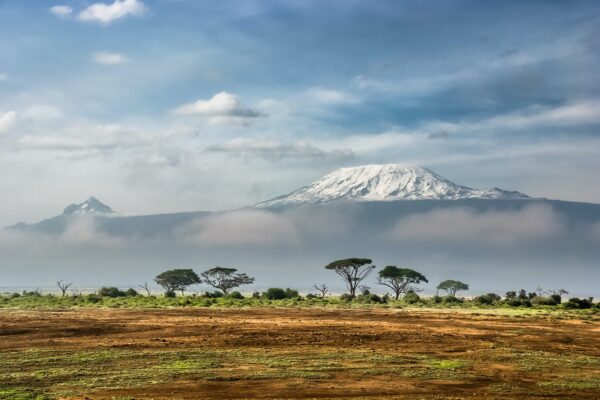
In the verdant mountains of the Kaffa region of Ethiopia, no one can harvest the wild coffee plants without permission.
“They make sure that the wild coffee is protected. Nobody can cut it,” said Helina Woldekiros, an associate professor of archaeology in Arts & Sciences at Washington University in St. Louis.
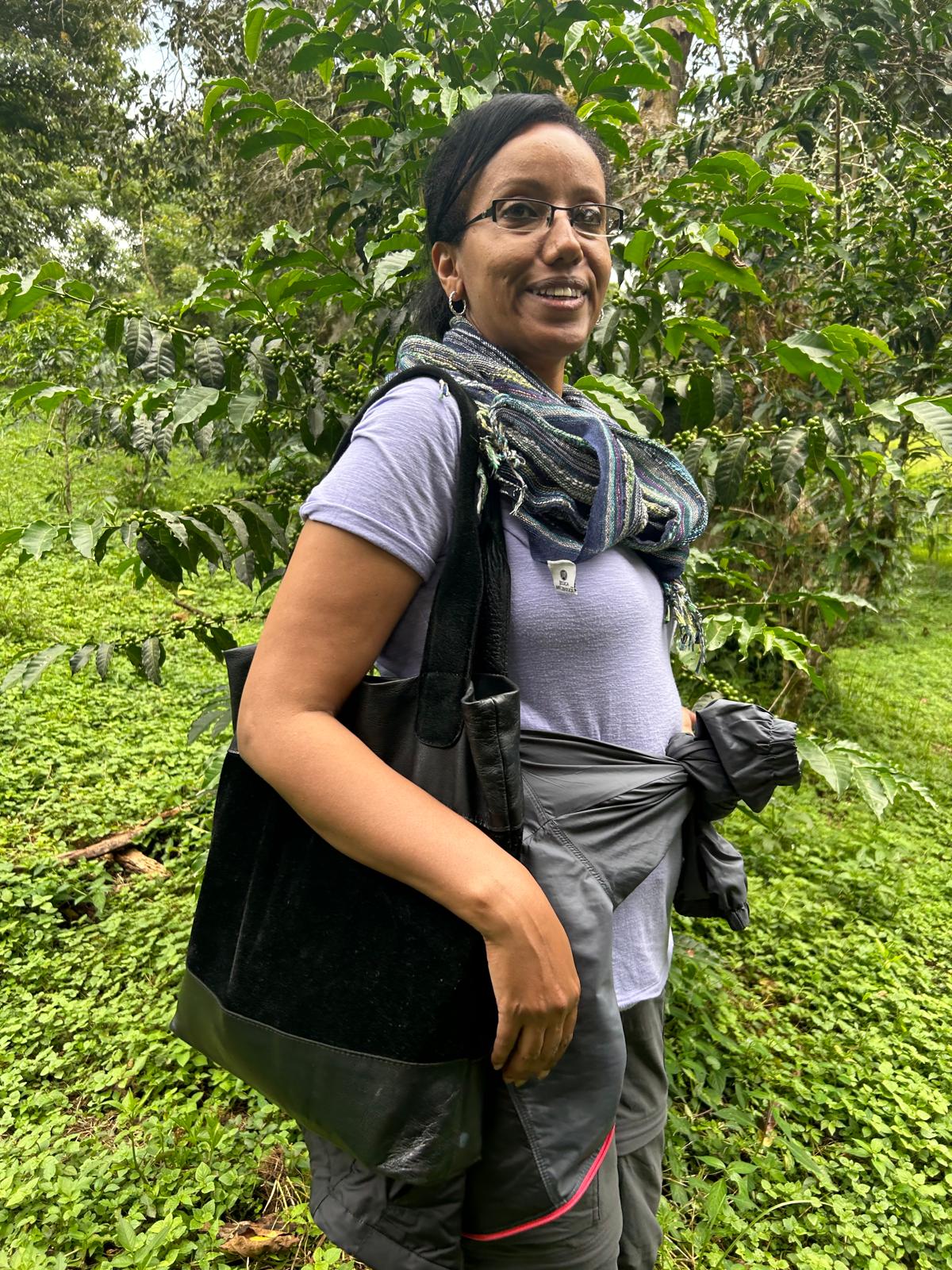
Kaffa — also sometimes known as Keffa, or the Kafa Zone — is the birthplace of Coffeea arabica, the plant behind your morning cup of joe. Close to 5,000 varieties of wild coffee can be found in Kaffa, a biodiversity hotspot designated a UNESCO Biosphere Reserve in 2010.
Woldekiros was born and raised in Ethiopia but left the country when she started graduate school. She has returned many times for her research. Woldekiros served as a Fulbright Scholar in Ethiopia in 2024, and she has recently established a new study site in Kaffa with support from seed grants from WashU Global and the WashU Center for the Study of Race, Ethnicity & Equity. She is working in the remote mountain highlands of southwestern Ethiopia, in the South West Ethiopia Peoples’ Region, roughly 105 miles from the South Sudan border and about 185 miles southwest of the capital, Addis Ababa.
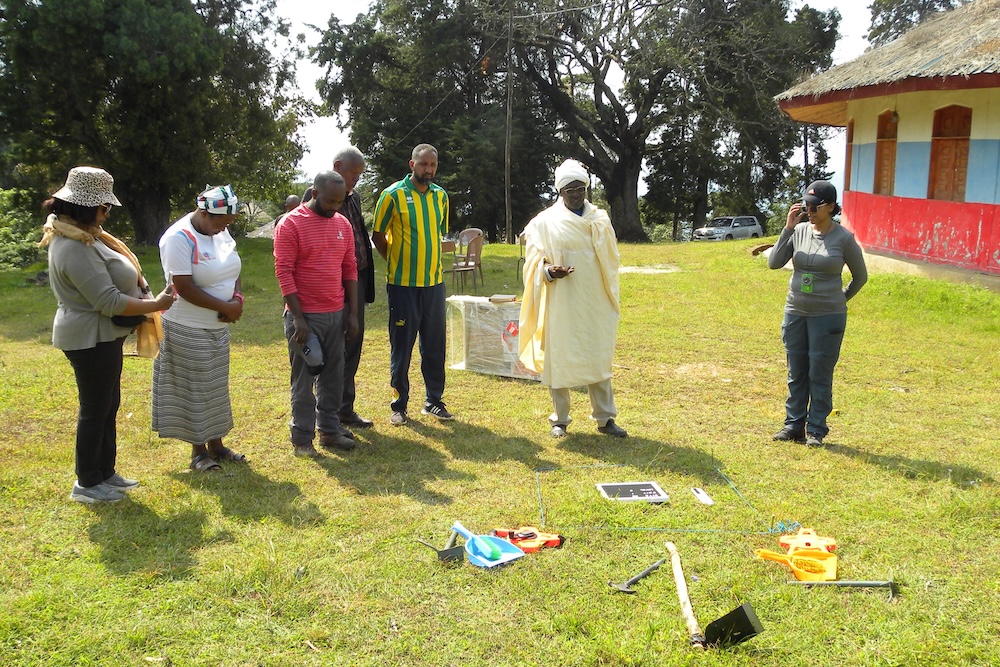
Woldekiros is leading the first archaeological excavations of sites associated with the ancient Kaffa kingdom. Working in partnership with colleagues at Addis Ababa University and Bonga University, her investigation combines ethnographic surveys of local farmers and modern genetic testing of today’s livestock, along with a careful excavation of palace lands held by the last reigning Kaffa kings along an ancient trade route. “The main commodity that was being traded was coffee, but there were other things as well,” Woldekiros said.
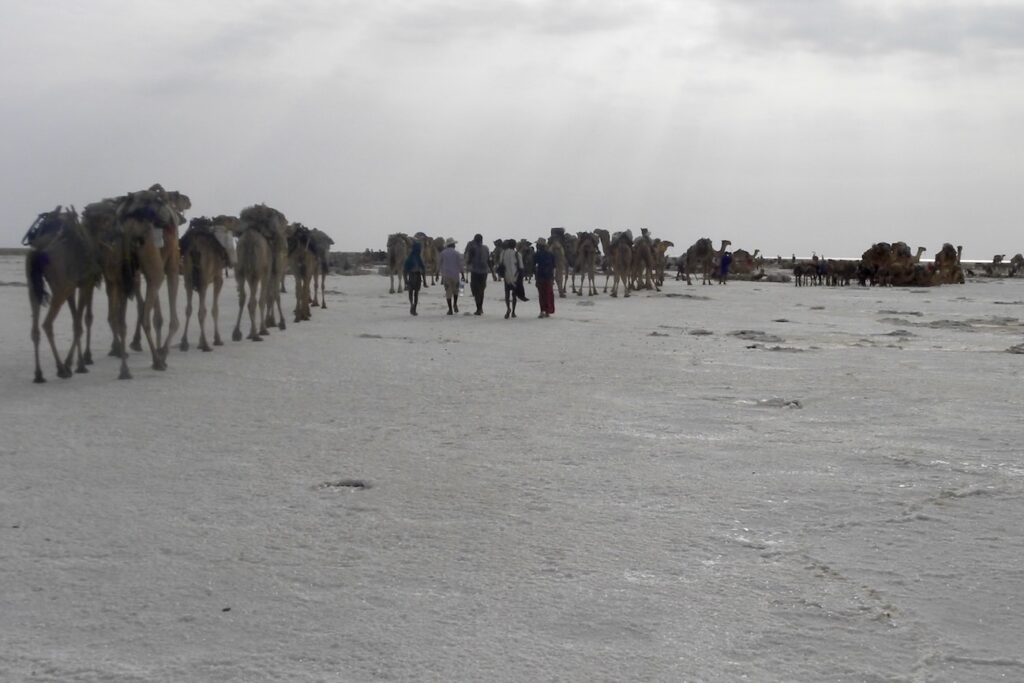
Woldekiros has previous experience tracking such trade routes. She explored the legendary Afar salt trail in northern Ethiopia — a project she outlined in her 2023 book, “The Boundaries of Ancient Trade.”
For that effort, Woldekiros followed the salt route with her own donkey and camel caravan, observing and interviewing caravaners, salt miners, salt cutters, warehouse owners, brokers, shop owners and salt village residents to model the political economy of the ancient Aksumite state.
But green Kaffa seems a world away from Ethiopia’s dry salt flats. “It rains nine months of the year,” Woldekiros said. “Even when it’s not supposed to rain, you get some in the morning. There’s always a drizzle and mist.”
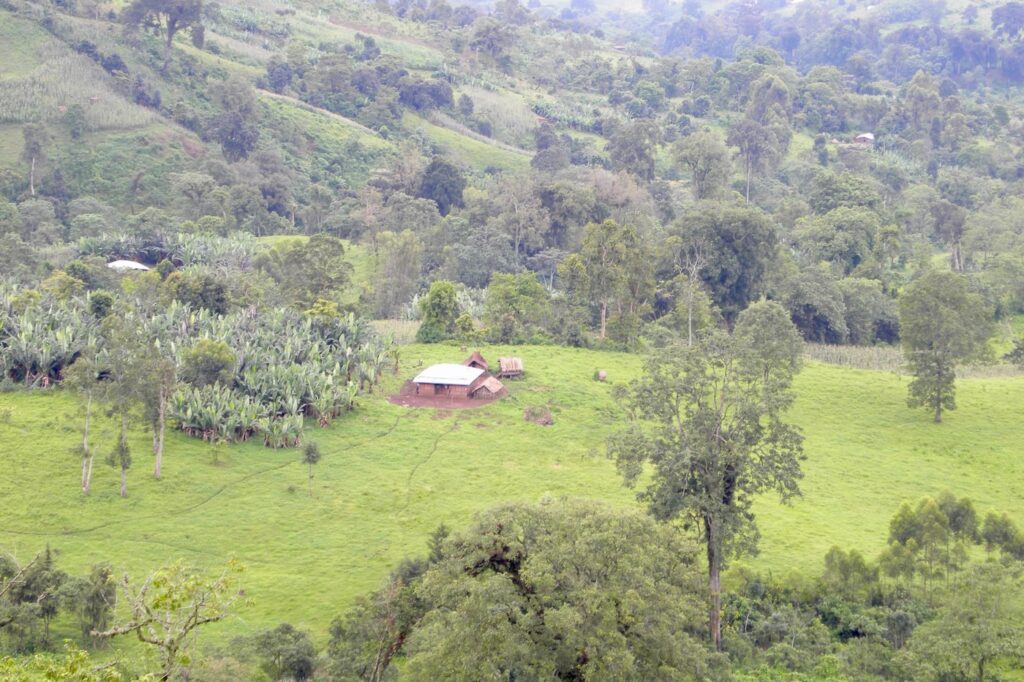
Woldekiros is studying contemporary food systems in Kaffa, comparing their stability with the stability of ancient foodways. “It’s not only the farm or the farming technique I’m looking at, but also the forest,” Woldekiros said. “The people are using their own traditional ecological knowledge to conserve this forest, and they continue to do so, even though they’re under threat.”
The pressure is real and urgent. Africa is growing rapidly. Its population has expanded from 283 million in 1960 to more than 1.5 billion in 2024. Experts believe that this number will increase to 2.5 billion by 2050. Globally, more than 1 in 4 people will be African in 2050, from 1 in 11 in 1960, according to the United Nations. New solutions are needed to help feed many new mouths.
Woldekiros came of age during a time of great change in her home country. Up until the 1970s, Ethiopia had been led by a succession of kings and queens. Then, a 1974 revolution upended the 3,000-year history of royal administration.
“When the socialist government was in power, anthropology research was suspended because it was considered to be a Western discipline,” Woldekiros told American Anthropologist magazine in 2025. “Foreign archaeologists were driven out of the country … archaeology and the past history, the empires and cultures, were erased from our textbooks because they were thought of as against the communist agenda.”
But while Woldekiros was in high school, Ethiopia’s military dictatorship fell and a new government took power, promising democratic reform and opening a new chapter in the country’s life. “When I was in college, it was a new phase in our country,” Woldekiros said. “That’s why people started teaching about our past history, and that’s when I encountered archaeology.”
Woldekiros went on to earn her master’s in anthropology from the University of Florida and her PhD in anthropology from WashU, becoming the first female Ethiopian archaeologist to earn her doctoral degree at an American institution. She later served as a Volkswagen Foundation postdoctoral fellow at Ludwig Maximilian University in Germany before returning to teach at WashU starting in 2015.
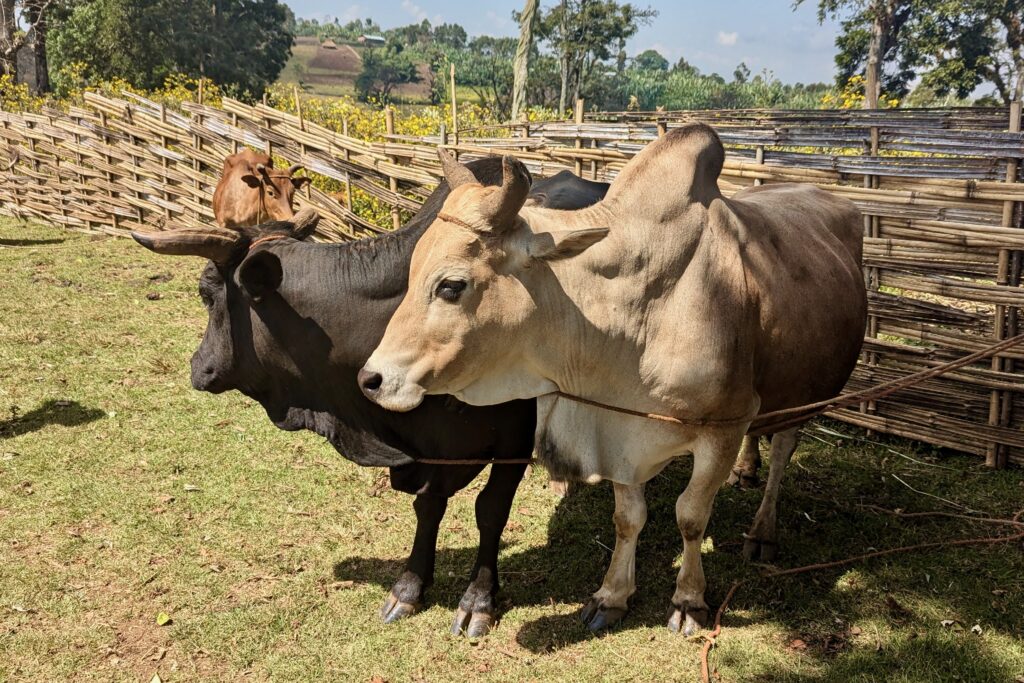
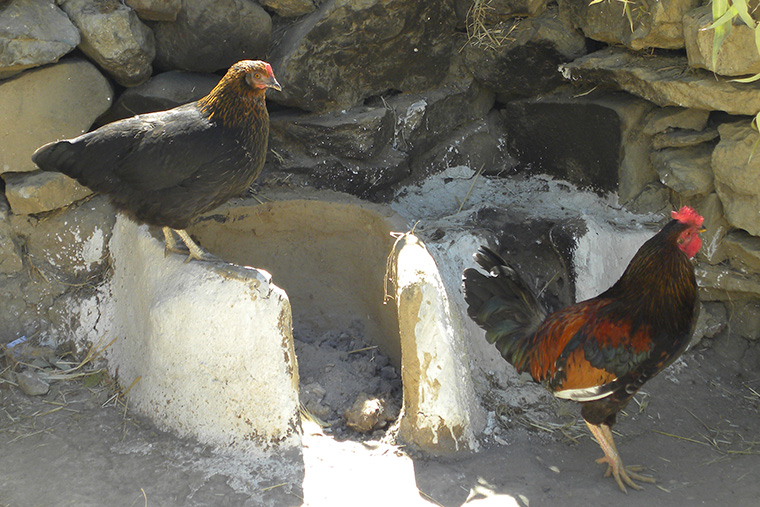
At WashU, in addition to her research work on the salt routes, Woldekiros has helped uncover the earliest physical evidence for the introduction of domesticated chickens to Africa. She keeps a small flock of heritage breed chickens at her family home in Ethiopia, where part of her aim is to help local communities conserve traditional poultry breeds.
Woldekiros also continues to champion the cause of others working in the field of African archaeology. In 2021, she helped launch an open-access database that collects and shares publications on African archaeology, broadly defined, by African and Afrodescendant scholars.
The database helps scholars and educators discover under-cited work and diversify student reading lists, increasing the visibility of underrepresented researchers, Woldekiros said. “Not only are we capturing and sharing scholarship that’s already out there, we’re also providing space for new researchers to see themselves in the field and make their own mark.”
With her own new project in Kaffa, Woldekiros hopes to illuminate a part of her home country’s history that has a truly global reach.
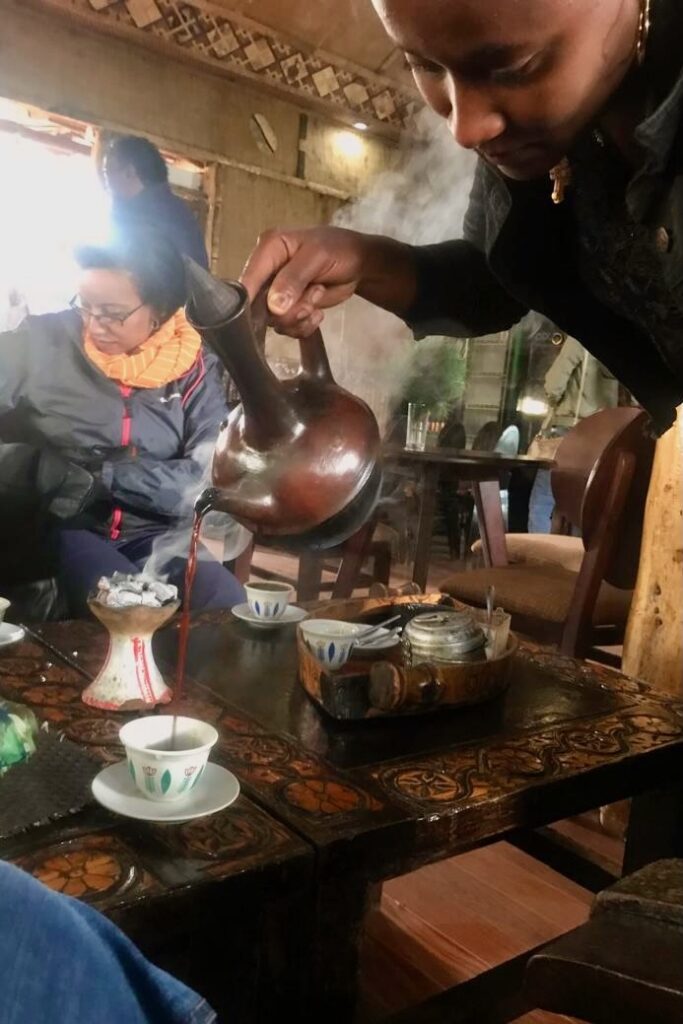
“When I started talking about my project at the Global Seed Grant workshop at WashU, I asked how many people had coffee that morning. And they all raised their hands!” Woldekiros said. “So I get to say, ‘Now you are going to be introduced to the culture that gave you coffee.’”