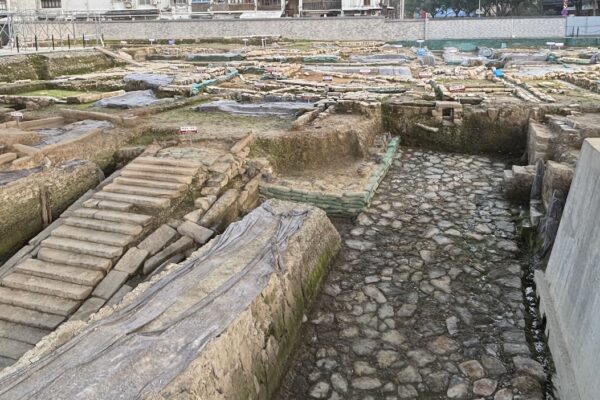
Waterlogged seeds reveal melons’ ancient journey
A new WashU study shows how scientists can use ancient DNA to answer historical questions beyond what artifacts alone can reveal.

Silkworm cultivation predated the Silk Road in southern Central Asia
The silkworm moth, whose caterpillars have been used in silk production since antiquity, may have been brought to southern Central Asia 4,000 years ago — nearly 2,000 years earlier than previously assumed — according to new research from WashU.
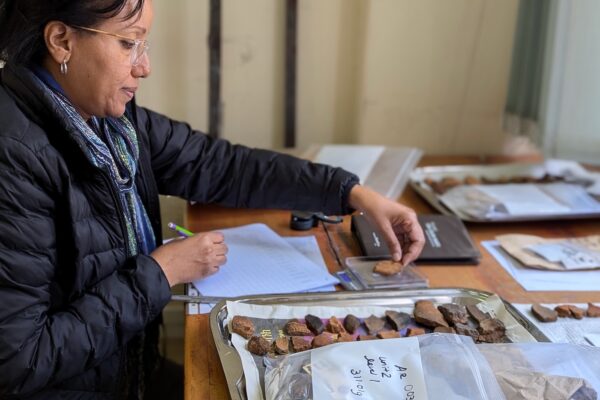
Helina Woldekiros
Helina Woldekiros was the first female Ethiopian archaeologist to earn a doctoral degree at an American institution. Now an associate professor of archaeology in WashU Arts & Sciences, she is exploring the culture of the kingdom that gave the world coffee.
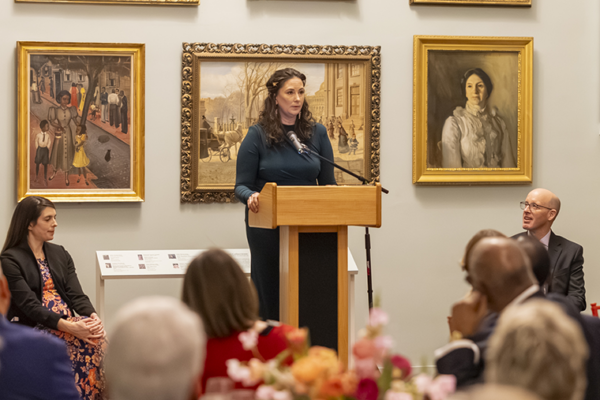
Mueller receives early-career award including $250,000 in funding
Natalie Mueller, an assistant professor of archaeology in WashU Arts & Sciences, is one of two recipients of the Cromwell Harbor Foundation’s inaugural Chrysalis Prize, which recognizes promising early-career scholars with $250,000 in unrestricted support, mentorship and entry into a growing cohort of multidisciplinary thinkers.
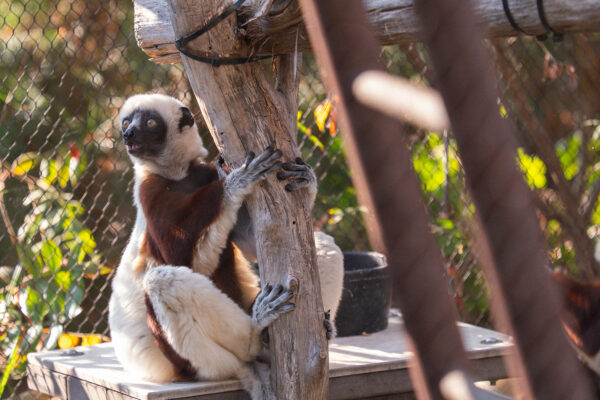
New initiative launches to save primates, transform global conservation approaches
A $1.5 million pledge from Distinguished Trustee Andy Newman for the Living Earth Collaborative will support critically endangered primates. The new project aims to transform how biodiversity is documented, modeled and protected worldwide.
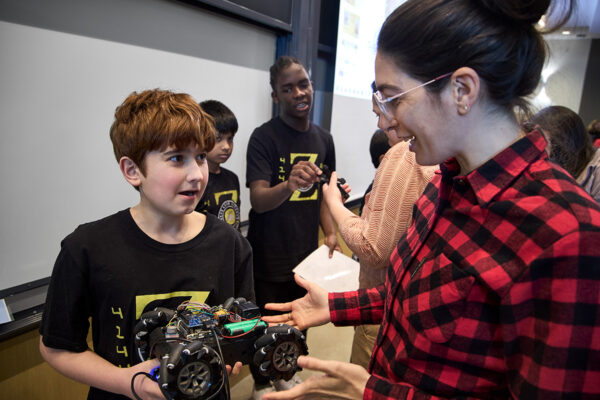
Mock digs to global stage: WashU archaeologist Patania mentors Lego League teams
In August, global robotics competition First Lego League challenged children to design a robot to help archaeologists. The task demands skills in engineering, design and, first and foremost, archaeology. Enter WashU environmental archaeologist Ilaria Patania, who helped dozens of middle school competitors.
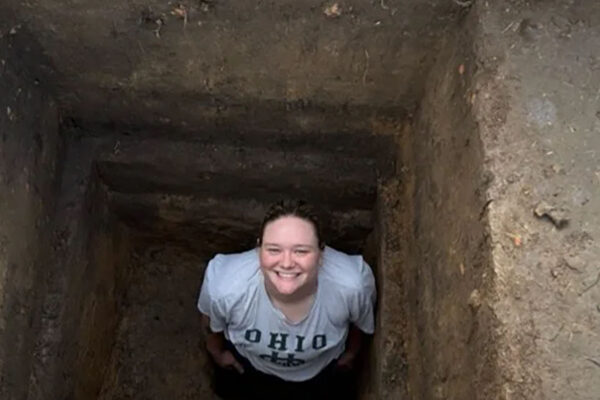
Why did ancient people build Poverty Point?
Researchers at Washington University in St. Louis suggest new explanations for iconic prehistoric sites at Poverty Point in Louisiana.
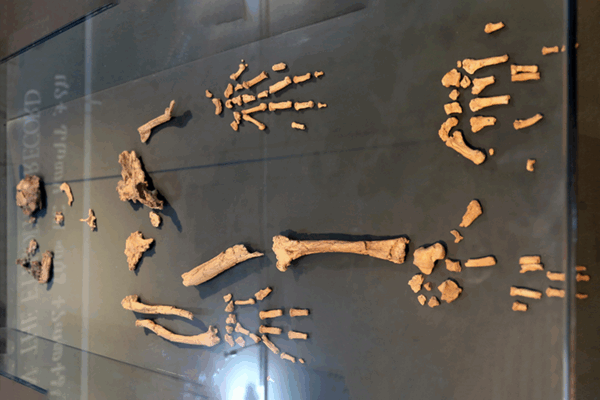
Analysis of 4.4-million-year-old ankle exposes how earliest ancestors moved, evolved
A new study from Washington University in St. Louis published in Communications Biology presents compelling evidence to support the theory that humans evolved from an African ape-like ancestor, bringing researchers one step closer to identifying the origin of human lineage.
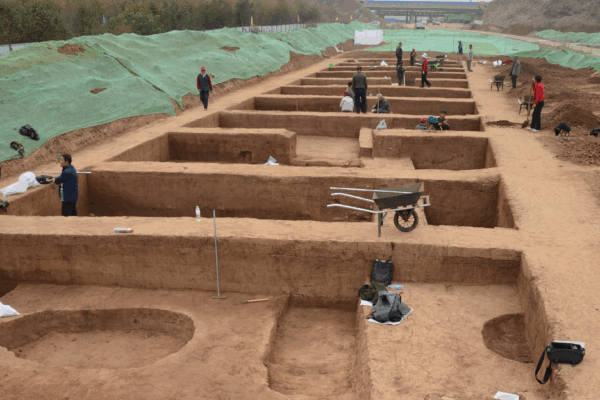
Discovery expands understanding of Neolithic agricultural practices, diets in East Asia
The adzuki bean — a staple crop prominent in various East Asian cuisines — has been cultivated in the region for more than 8,000 years, researchers at Washington University in St. Louis and Shandong University in China have discovered.
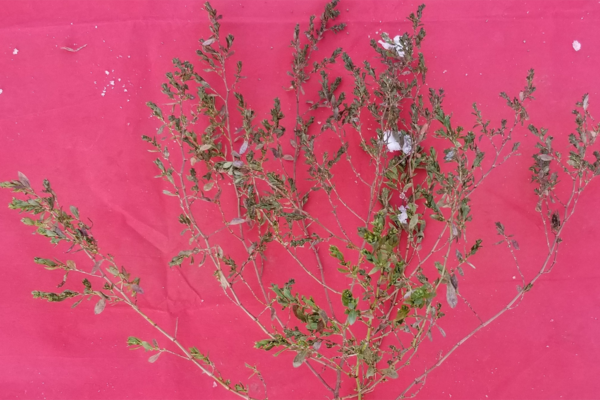
Reawakening ‘sleeping’ crops to combat today’s climate crisis
Archaeologist Natalie Mueller in Arts & Sciences explains how ancient agricultural systems could become a source of alternative crops and methods in an era of rapid climate change.
Older Stories