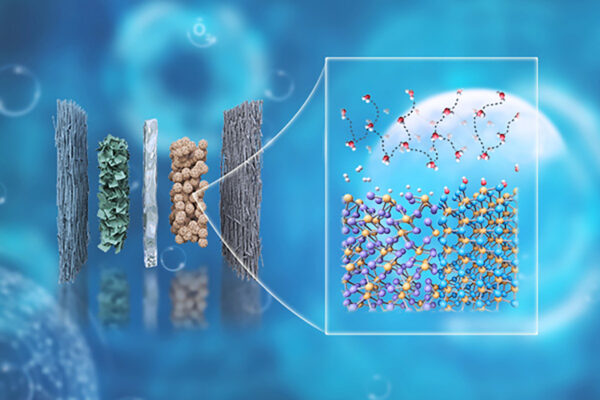
WashU researchers use efficient method to split hydrogen from water for energy
WashU researchers have designed a new catalyst to extract hydrogen, a valuable yet low-cost source of zero-emissions fuel.
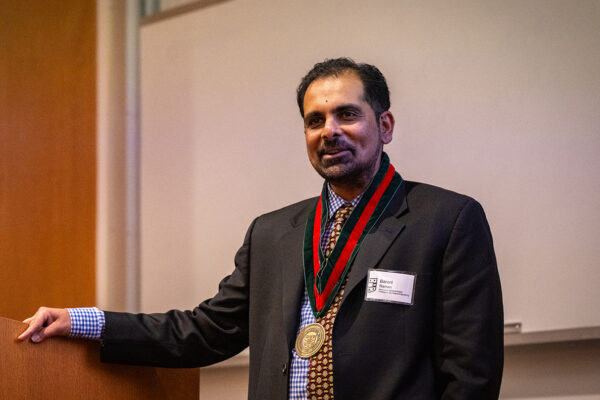
Raman named Dennis and Barbara Kessler Professor
Barani Raman, a renowned expert in systems neuroscience, machine olfaction and bio-inspired computing, has been named the Dennis and Barbara Kessler Professor of Biomedical Engineering at WashU.

Chen, Heemstra selected as AIMBE fellows
The American Institute for Medical and Biological Engineering (AIMBE) has named two new fellows from WashU: Hong Chen and Jennifer Heemstra.
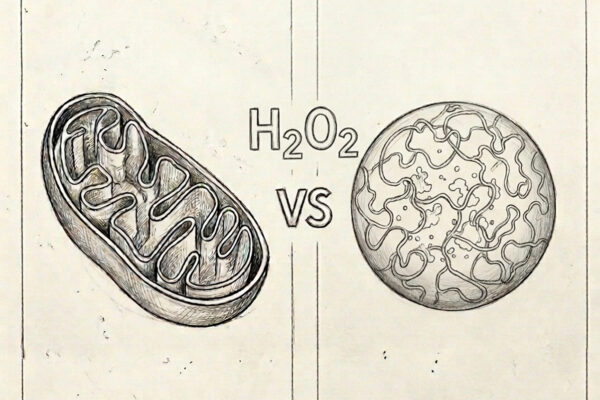
New research sheds light on the path of neurodegenerative diseases
Researchers from the WashU McKelvey School of Engineering are reshaping our understanding of disease origins and revealing how biomolecular condensates can tip cells from normal behavior to dysfunction.
WashU launches doctoral program in neuroengineering
WashU will launch a doctoral program in neuroengineering in fall 2027, one of only a few in the United States.
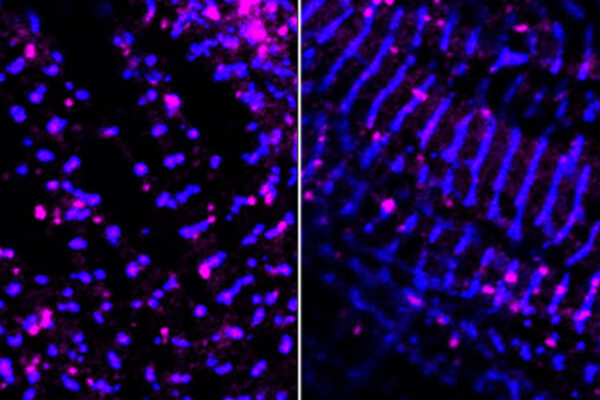
Probing a paradoxical drug response for irregular heartbeat
Research in Jon Silva’s lab at WashU McKelvey Engineering highlights the importance of genetic testing for precision medicine.
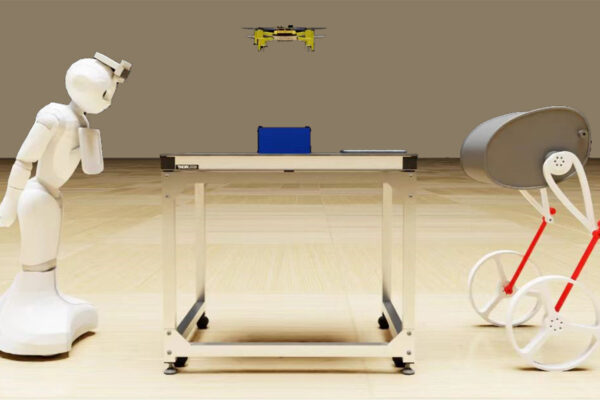
Robots learn by imitating other robots
A multi-institutional team, including Chongjie Zhang at WashU McKelvey Engineering, developed a new method that enables robots to achieve intentions shown by their peers.
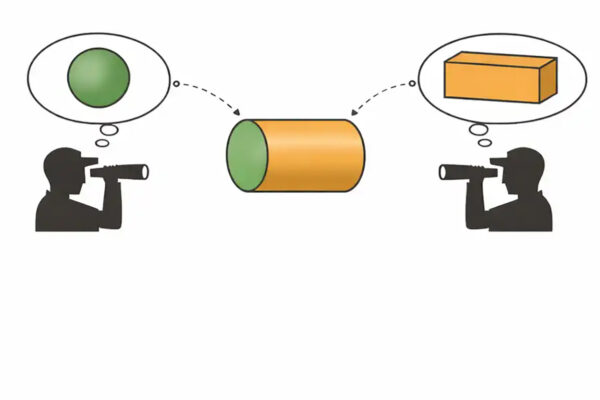
An inside look at drone swarm behavior
Researchers in the McKelvey School of Engineering at WashU have developed a new method to understand information in complex systems, which can be applied toward development of unmanned aerial vehicles.

Eleven WashU faculty elected to AAAS
Eleven WashU faculty members are among the new fellows selected by the American Association for the Advancement of Science, one of the most distinct honors in the scientific community.
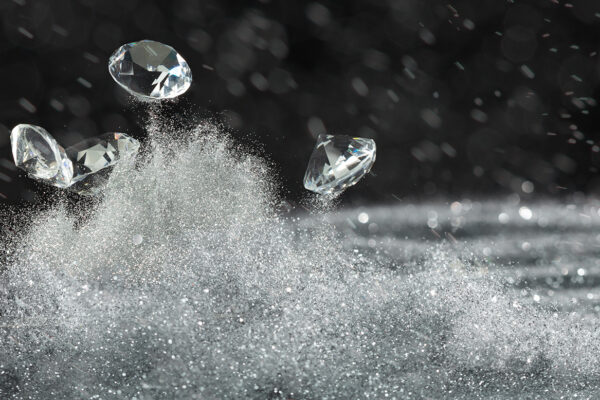
Diamonds are not a geoengineer’s best friend
Researchers at Washington University in St. Louis have found that diamond dust is not a suitable particle for stratospheric aerosol injection that could cool the Earth.
View More Stories