As national electricity needs grow, leaders need information on air quality in areas where new power plants are proposed.
A team of researchers, led by Chi Li, a research assistant professor of energy, environmental and chemical engineering at WashU McKelvey Engineering, plans to fine-tune a tool that will be trained to understand how weather and atmospheric conditions evolve over time with a two-year $496,121 NASA grant.
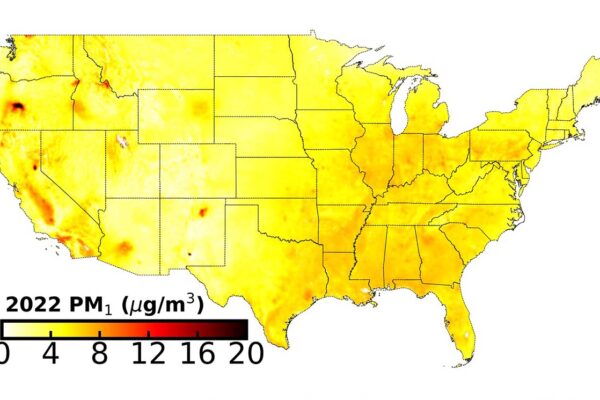
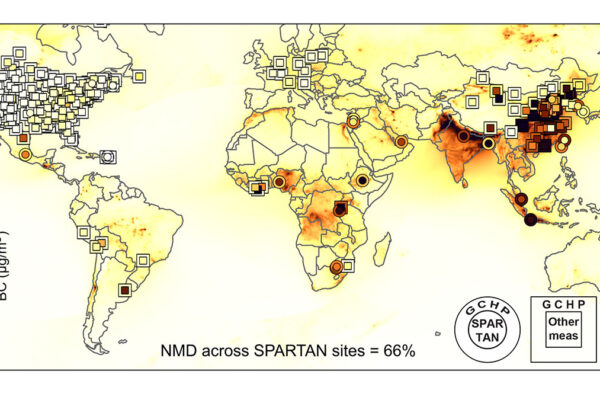
The tool, Prithvi WxC, is a NASA foundation model that has learned weather patterns in how pollutants move and settle. Li and his collaborators, including Randall V. Martin, the Raymond R. Tucker Distinguished Professor, plan to retrain parts of the model so it can combine data from satellites, weather reanalysis and emissions records to produce monthly, nationwide maps of ground-level pollution. The maps will provide the background pollution data needed by AERMOD, a tool used by U.S. regulators to evaluate how pollution from urban and industrial sources spreads through the air, particularly in locations that lack monitoring stations.
If successful, the project could give communities and regulators better air pollution information, especially in rural areas, and help support both cleaner air and a more reliable power grid, Li said.
Read more on the McKelvey Engineering website.