People with life-altering spinal cord injuries are often treated with continuous spinal cord stimulation, even when a person is not trying to move.
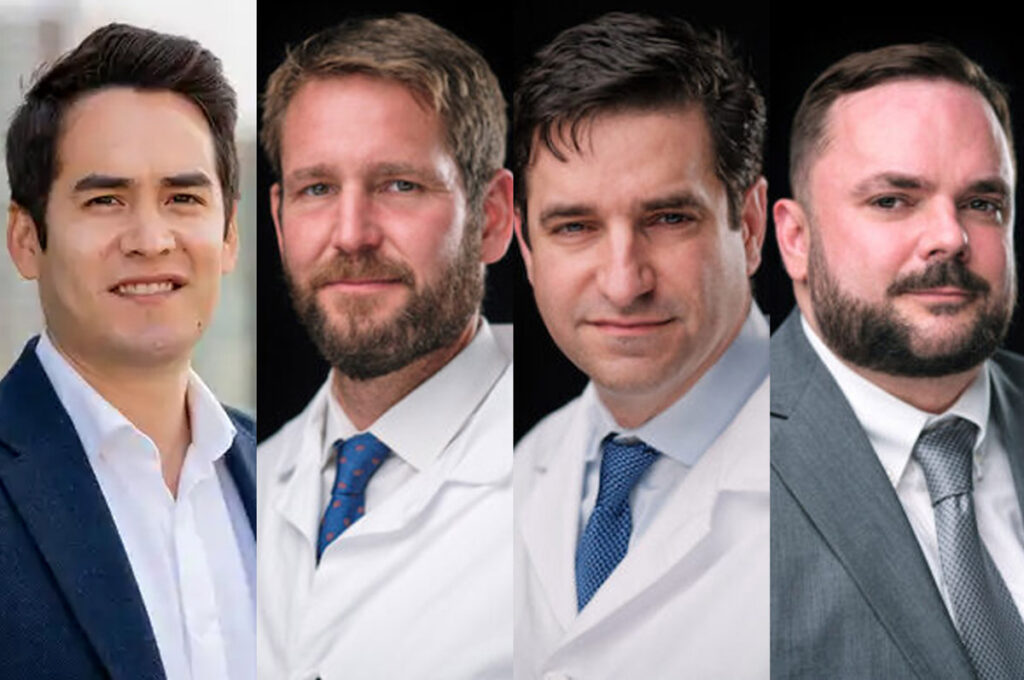
Ismael Seáñez, an assistant professor of biomedical engineering at WashU McKelvey Engineering, plans to study the effects of delivering transcutaneous spinal cord stimulation (tSCS) only when a person intends to move. With a three-year $400,000 grant from the Craig S. Neilsen Foundation, he and his team will evaluate whether people improve with practice and whether such a system can work outside the lab.
“A spinal cord injury interrupts the communication between the brain and the spinal circuits below the injury controlling movement,” Seáñez said. “We want to see whether a person with spinal cord injury can use their own brain signals to trigger stimulation below the injury and improve movement, essentially bypassing the lesion. We expect that this study will allow us to lay the groundwork for a more scalable rehabilitation tool that provides stimulation only when needed.”
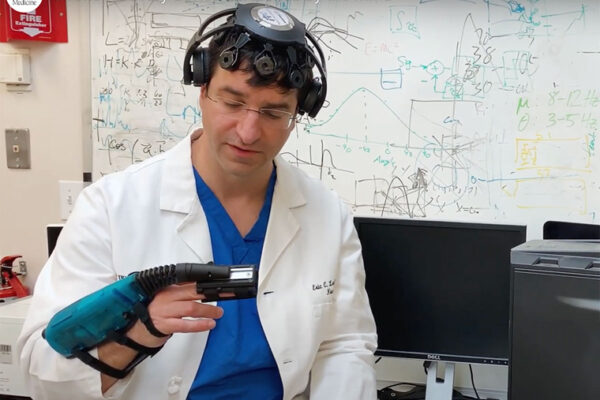
The team will test its noninvasive brain-spine interface that predicts movement intention from electroencephalography (EEG) and use the decoded signals to control deliver tSCS in people with spinal cord injury.
Read more on the McKelvey Engineering website.