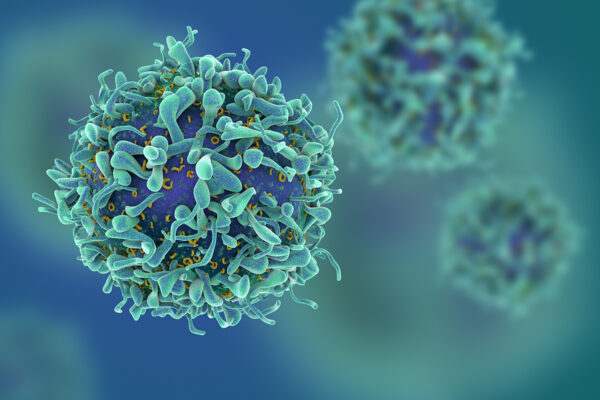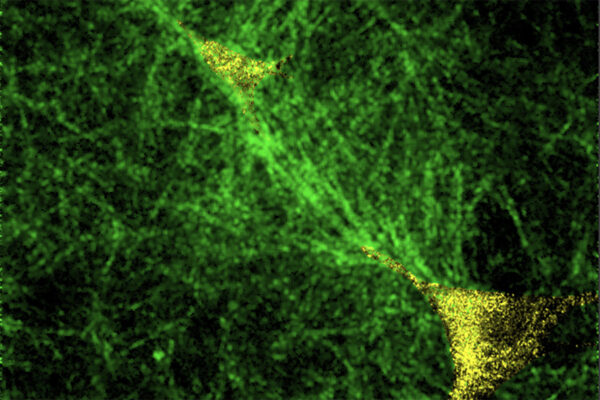
T cells, also known as lymphocytes, are a type of white blood cell that play an important role in the body’s immune response. Historically, blood samples have been used to monitor how T cells respond to a virus, vaccine or immunotherapy. But a new study by researchers at Washington University School of Medicine in St. Louis has revealed that T cells in certain tissues of the body differ in significant ways from those in the blood, which could have implications for how the effectiveness of vaccines and immunotherapies are evaluated in the future. The findings were published in Immunity.
The research team was led by Naresha Saligrama, an assistant professor of neurology and of pathology and immunology at WashU Medicine. Together with collaborators at the University of California, Irvine, and other institutions, the researchers conducted single cell sequencing of 5.7 million T cells from the tonsil tissue and blood of 10 healthy donors undergoing tonsillectomy, ranging in age from infants to adults. This represented one of the largest single-cell datasets of human T cells to date.
Upon analyzing the data, the research team found significant differences between patients’ tonsil-derived T cells and T cells found in blood drawn from those same patients. These findings point to a clear need to consider location-specific differences in T cells when investigating the efficacy of vaccines and immunotherapies in clinical diagnostics and immune monitoring, the study noted.
Blood samples are the current standard for monitoring T cell responses to viruses, vaccines and immunotherapies. However, less than 2% of the body’s total T cells are present in blood, with the vast majority of these cells residing in the lymphatic system — the spleen, lymph nodes and tonsils — and in non-lymphatic tissues, such as the gut, skin and lungs. Certain kinds of specialized T cells, such as resident memory T cells and T follicular helper cells, can be found almost exclusively in tissue rather than in blood. The location of a given T cell may impact its cell subtype, as well as its ability to bind to specific antigens or target specific peptides within antigens.
The researchers noted that further study of T cells found in other tissue sites is required to capture the full breadth of location-based differences in an individual’s T cell subsets and their ability to recognize a diverse range of antigens.
The new study is the result of multiyear, multi-million-dollar funding from the nonprofit organization Wellcome Leap to use human tonsil cell cultures to study immune responses.