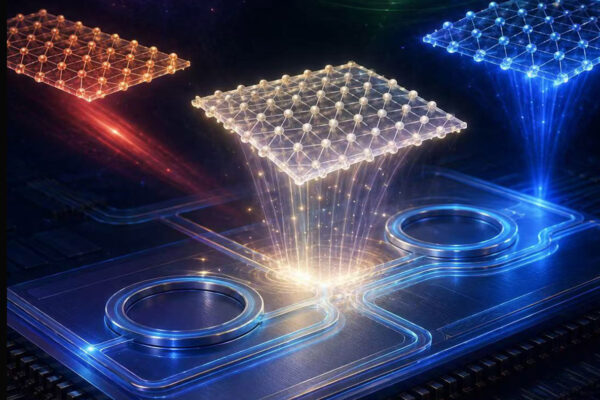
New building blocks expand functions of photonic chips
McKelvey Engineering researchers Sang-Hoon Bae and Lan Yang collaborated to establish a framework for heterogeneous integrated photonic chips, enabling multiple functions on a single chip with greater freedom to combine materials and design devices.
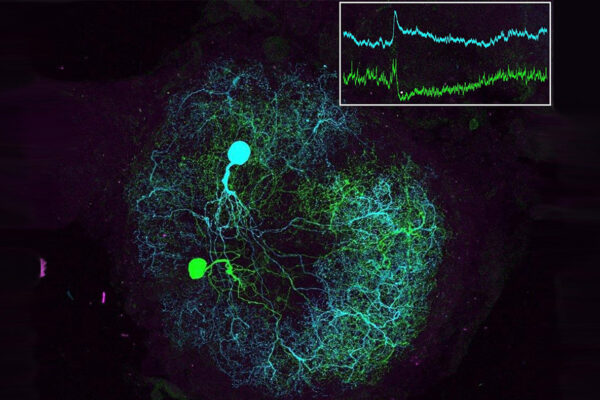
What a locust can teach us about how neuromodulators alter odor processing
Researchers at WashU McKelvey Engineering studied how neuromodulators alter odor processing in locusts.

WashU research finds gaps in Google AI Overview citations, claims
With the advent of Google AI Overviews, Google has unprecedented editorial control over what users read and know, according to Jacob Montgomery, a WashU Arts & Sciences political scientist.
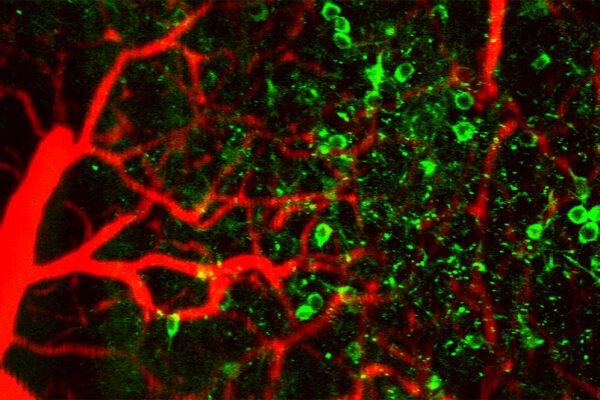
Oxygen delivery on display
Biomedical researchers at WashU McKelvey Engineering have developed a new imaging technique that captures the dynamic coupling between the brain’s vasculature and its neurons. The new microscopy tool could help lead to breakthroughs in studying stroke and dementia.
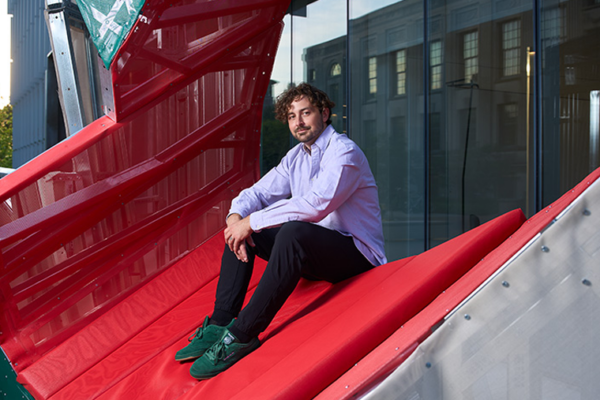
Building potential
Scott Mitchell harnesses the power of robotic machines to create wow-worthy structures.
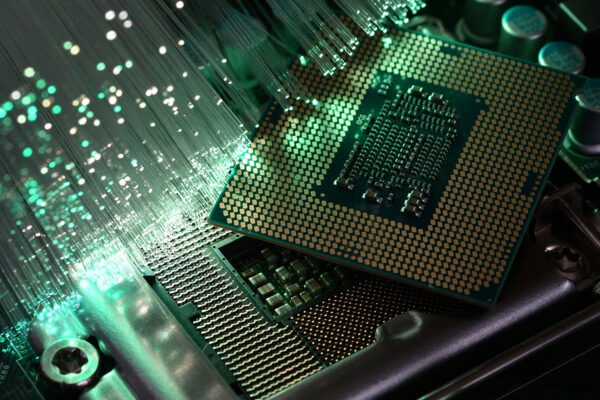
Grant funds hybrid system that could spur vast energy improvements to computing
With a grant from the National Science Foundation, WashU computer engineer Shantanu Chakrabartty will design hybrid neuromorphic and quantum computing systems that could unlock huge energy efficiencies in solving artificial intelligence problems.

Some assembly required, with machine learning
WashU researchers are working on ways to use machine learning to not just make predictions about potential chemical compounds but also to model out the synthesis of those materials.
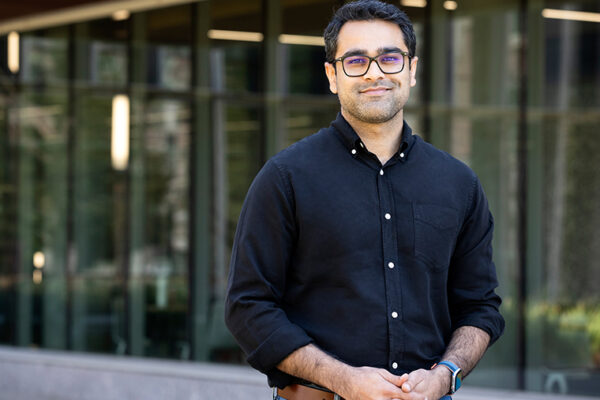
AI agents prompt redesign of web for security, privacy, reliability
With a CAREER Award from the National Science Foundation, WashU’s Umar Iqbal proposes to redesign the web with infrastructures that will allow AI agents to reliably use it.
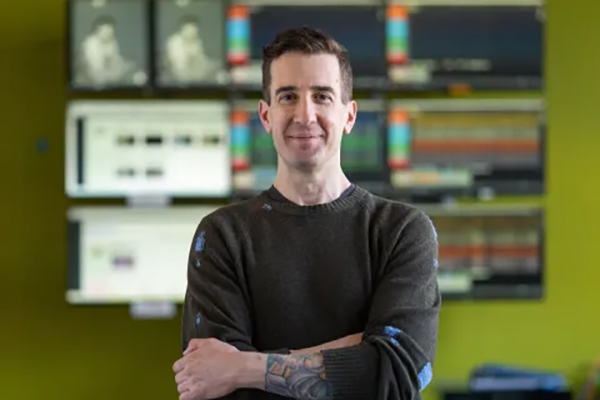
Hengen applies lessons from brain to quantum sensing
Biologist Keith Hengen, in WashU Arts & Sciences, is applying lessons from the brain to next-generation quantum sensors through a U.S. Department of Energy-funded project.
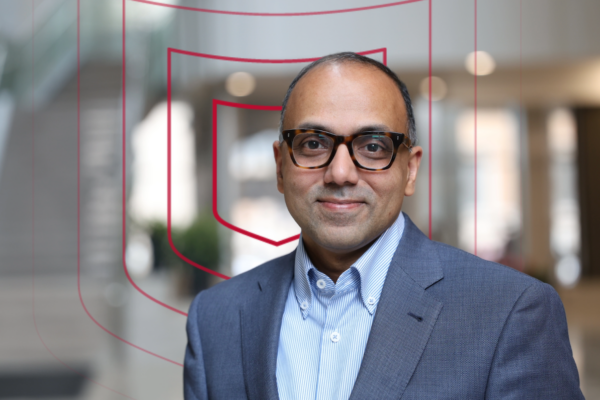
Kannampallil named editor-in-chief of premier informatics journal
Thomas Kannampallil, a professor of anesthesiology at WashU Medicine, is recognized for his expertise in AI-based technology designed to improve healthcare.
Older Stories