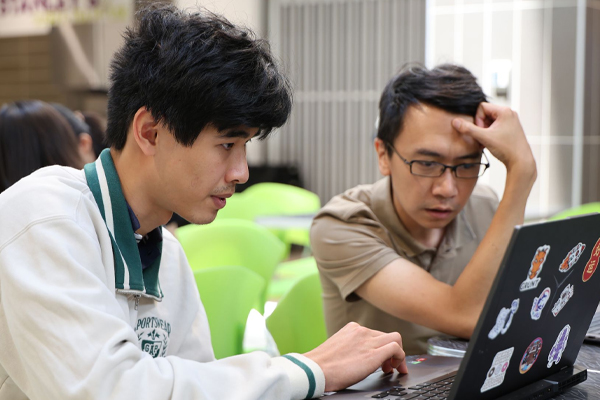
Faculty invited to apply for Digital Transformation Research Corps
WashU faculty can apply for the 2027 cohort of the Digital Transformation Research Corps, a 10-week summer program that pairs WashU faculty with student software developers to create artificial intelligence-driven tools that advance research. Applications are due Nov. 30.

Using AI to fight election misinformation works, WashU research finds
Artificial intelligence could help counter election misinformation at the same speed that false narratives spread, according to new research from WashU and Caltech.

In the clouds
Under a new grant from the NSF, a WashU team will use AI and statistics to study the impact of aerosols on marine low clouds. That knowledge can help communities protect health and prepare for extreme weather.

Amazon’s smart glasses raise privacy concerns
Amazon’s introduction of smart glasses for its delivery drivers raises significant questions about privacy, workplace surveillance and the normalization of continuously recording technology, says WashU Law professor Neil Richards.
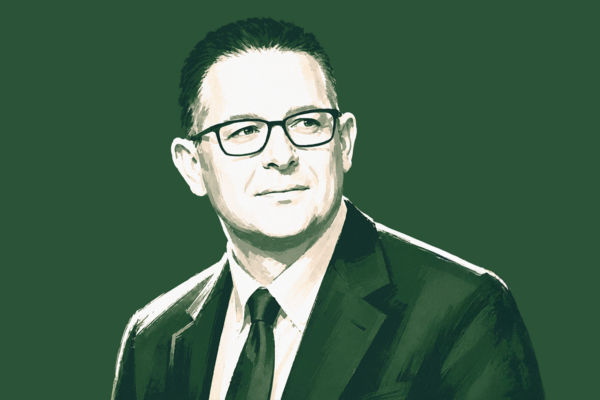
Where AI in healthcare is headed
Philip R. O. Payne, the inaugural chief health AI officer for WashU Medicine and BJC Health, helps explain what artificial intelligence can and can’t do in healthcare and why trust, training and human judgment remain essential.

WashU research finds gaps in Google AI Overview citations, claims
With the advent of Google AI Overviews, Google has unprecedented editorial control over what users read and know, according to Jacob Montgomery, a WashU Arts & Sciences political scientist.
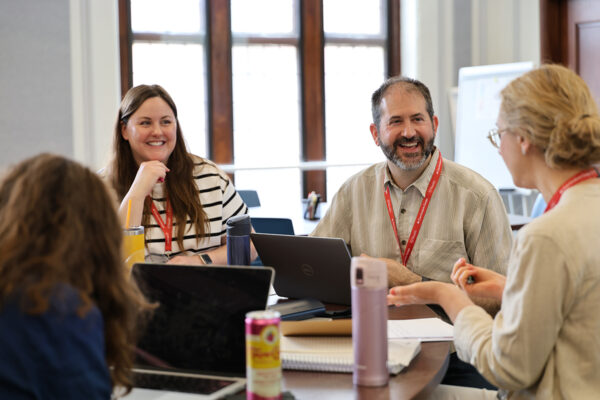
A new toolkit for teaching in the age of AI
Anna Cunningham, WashU’s assistant director of teaching innovation, helps faculty and students use artificial intelligence (AI) thoughtfully and ethically. She emphasizes that good teaching methods should guide AI use, not replace it.
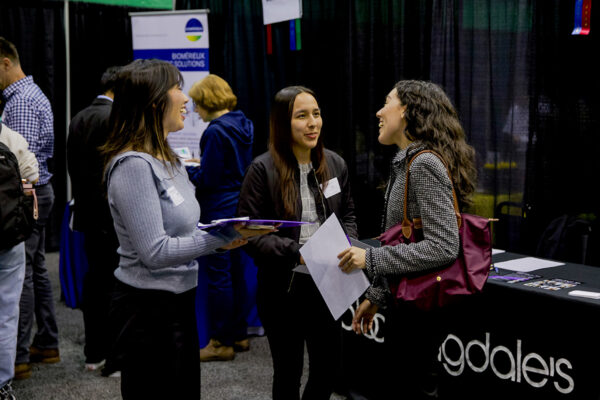
Finding a job in the AI era
As artificial intelligence reshapes job applications, WashU career expert Casey Jenkerson advises job seekers to use authentic language, build networks early and focus on essential skills. She also warns against dishonest AI tactics and emphasizes the importance of human connection in hiring.
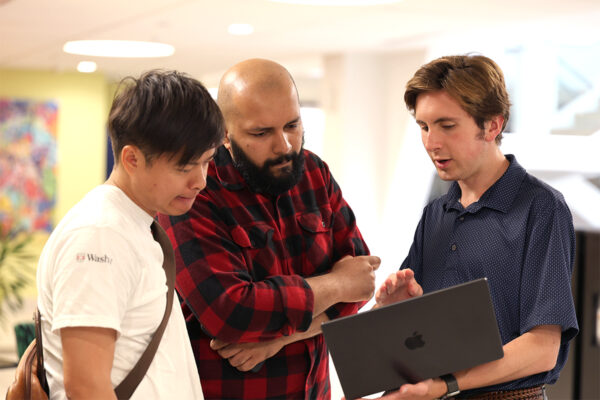
AI Perspectives Week showcases AI innovation, debate and discovery
WashU’s AI Perspectives Week will feature about 40 events, showcasing faculty, students and leading thinkers on artificial intelligence. The series highlights research, teaching, ethics and community dialogue, while welcoming both enthusiasts and skeptics.

Grant funds hybrid system that could spur vast energy improvements to computing
With a grant from the National Science Foundation, WashU computer engineer Shantanu Chakrabartty will design hybrid neuromorphic and quantum computing systems that could unlock huge energy efficiencies in solving artificial intelligence problems.
Older Stories