WashU researcher Douglas Chalker almost never misses the Undergraduate Research Symposium. After 25 years of teaching and mentoring hundreds of students, he knows it’s important to show support. But a different reason pulls Chalker back each semester.
“There is no better place to experience the breadth of the scholarship happening at WashU,” said Chalker, a professor of biology in Arts & Sciences, after speaking to a student about her zebrafish research at the spring symposium in April. Nearby, students presented their work on topics ranging from bleeding in preterm infants to disability activism to rural transportation recovery post-Hurricane Helene to plant pathogens. “Our students are asking big questions and making important findings. I always learn something new.”
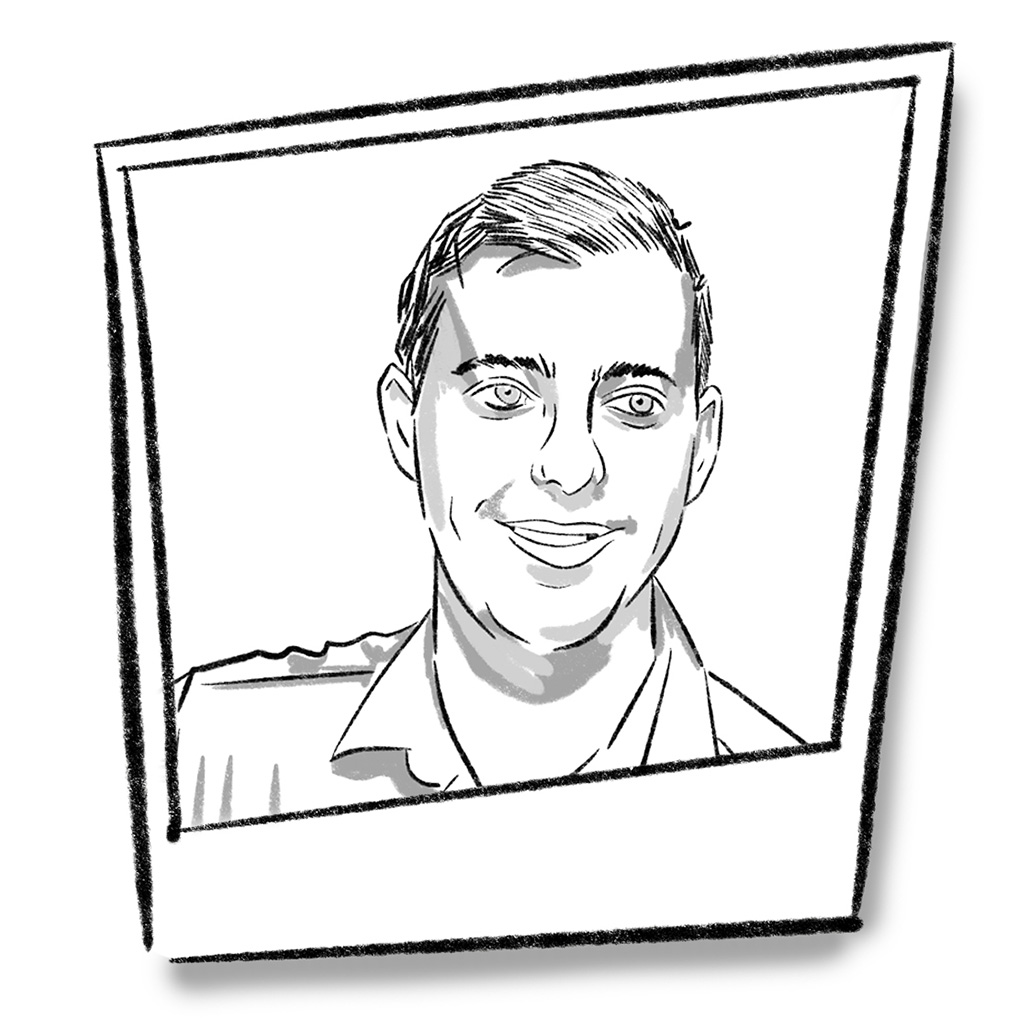
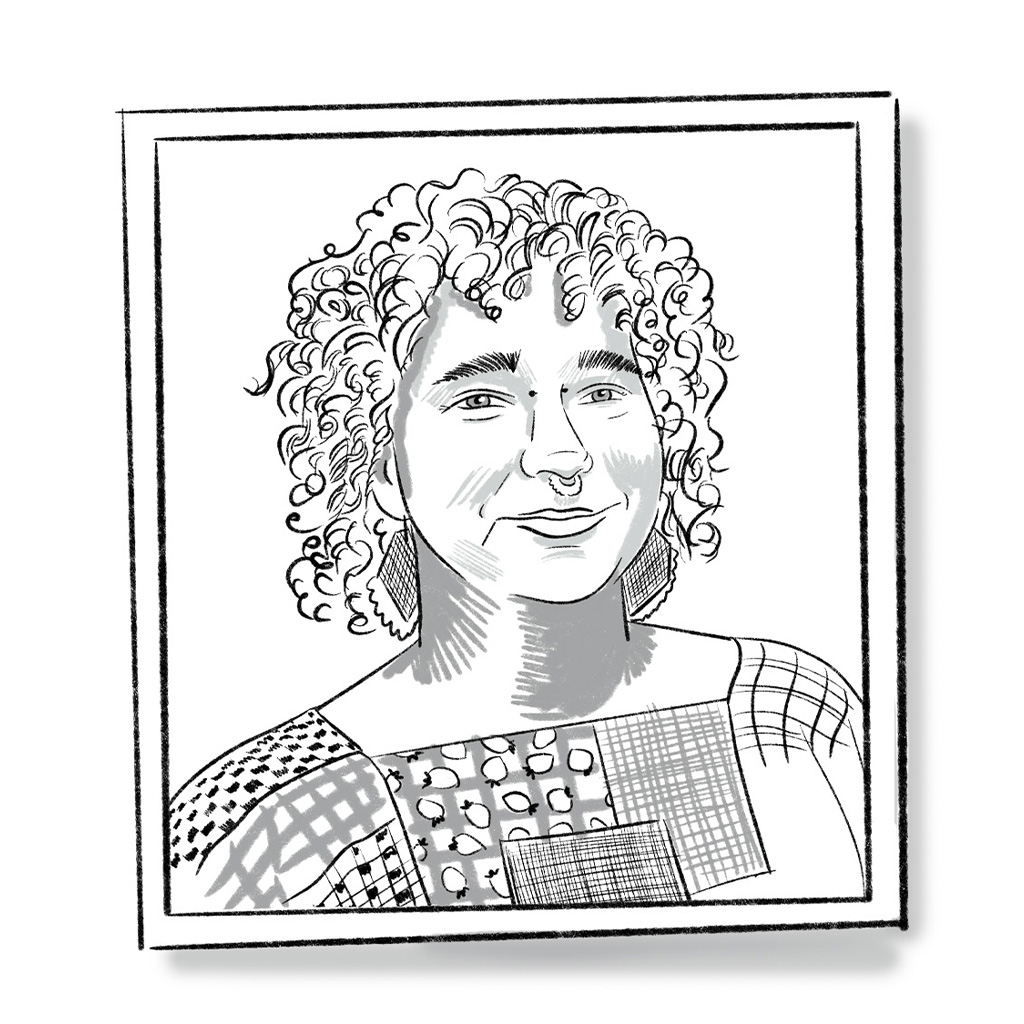
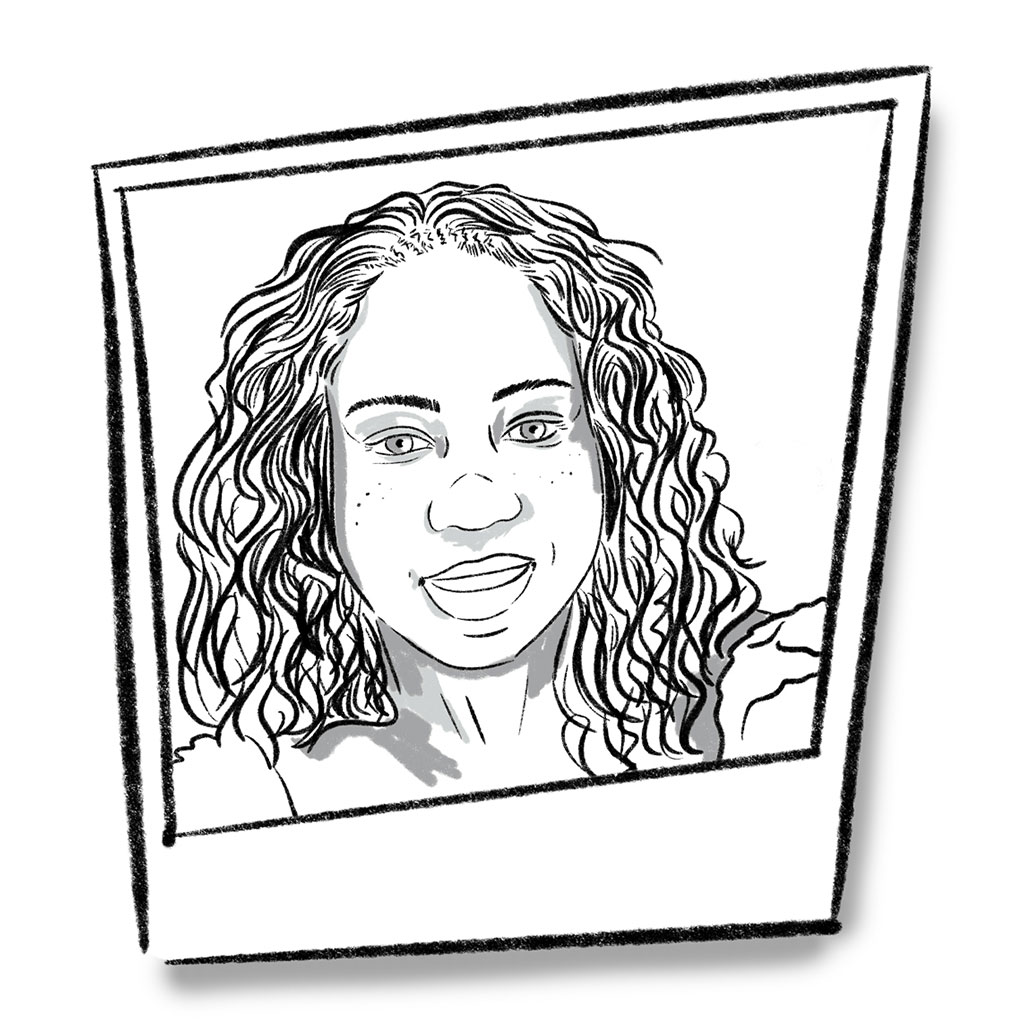
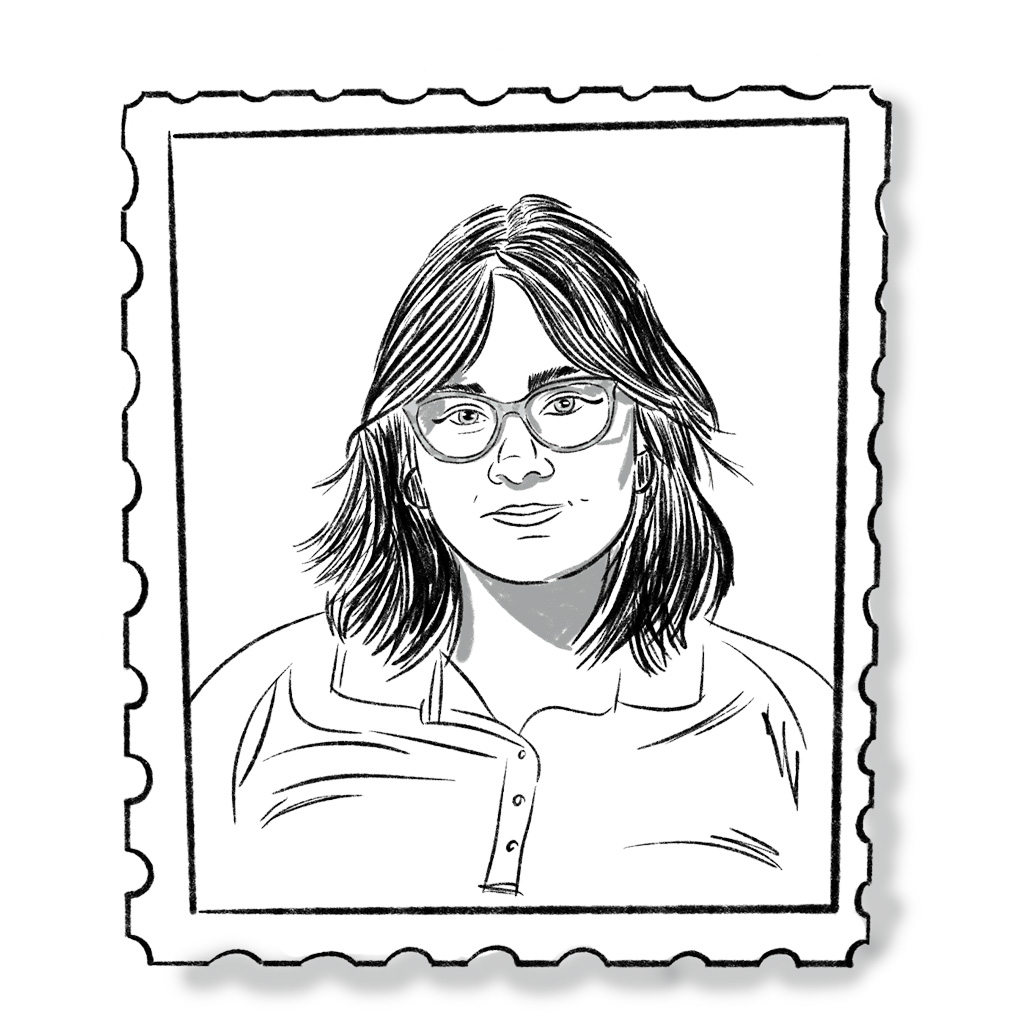
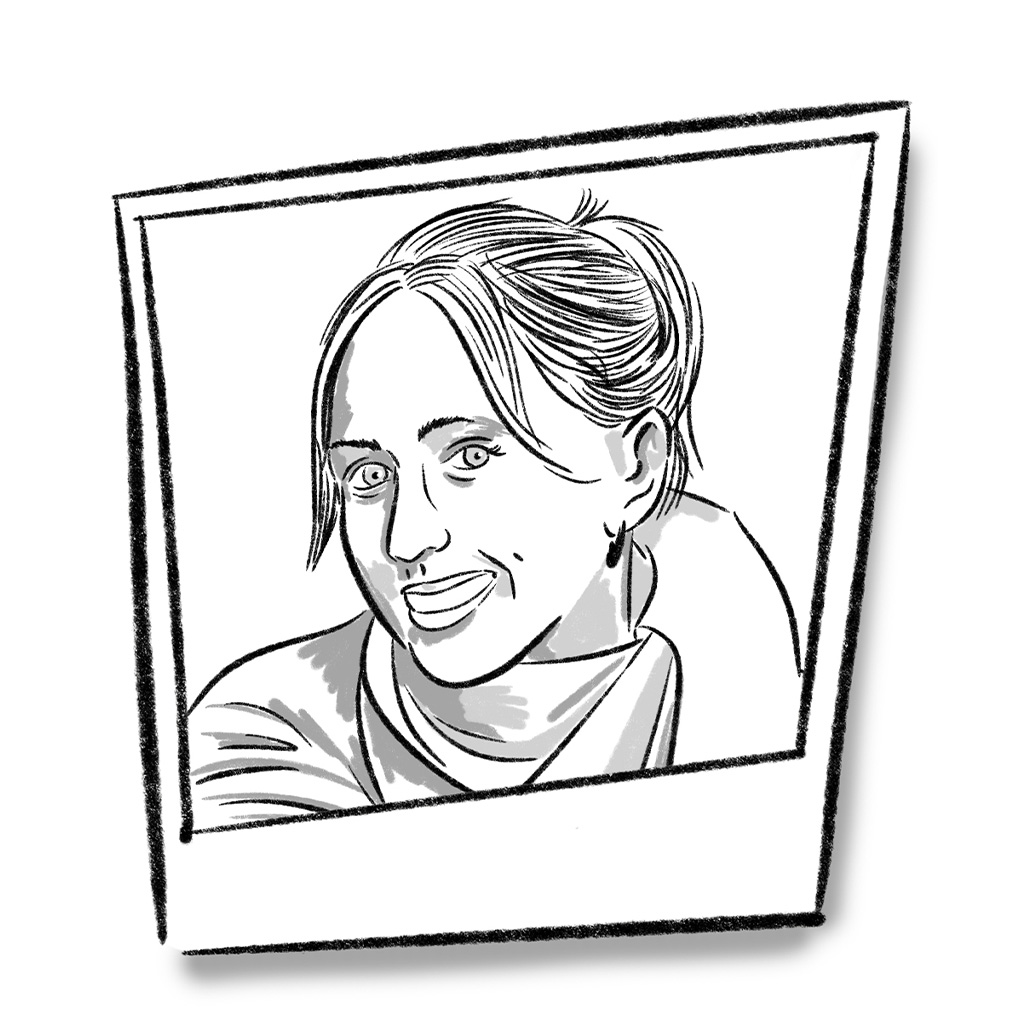
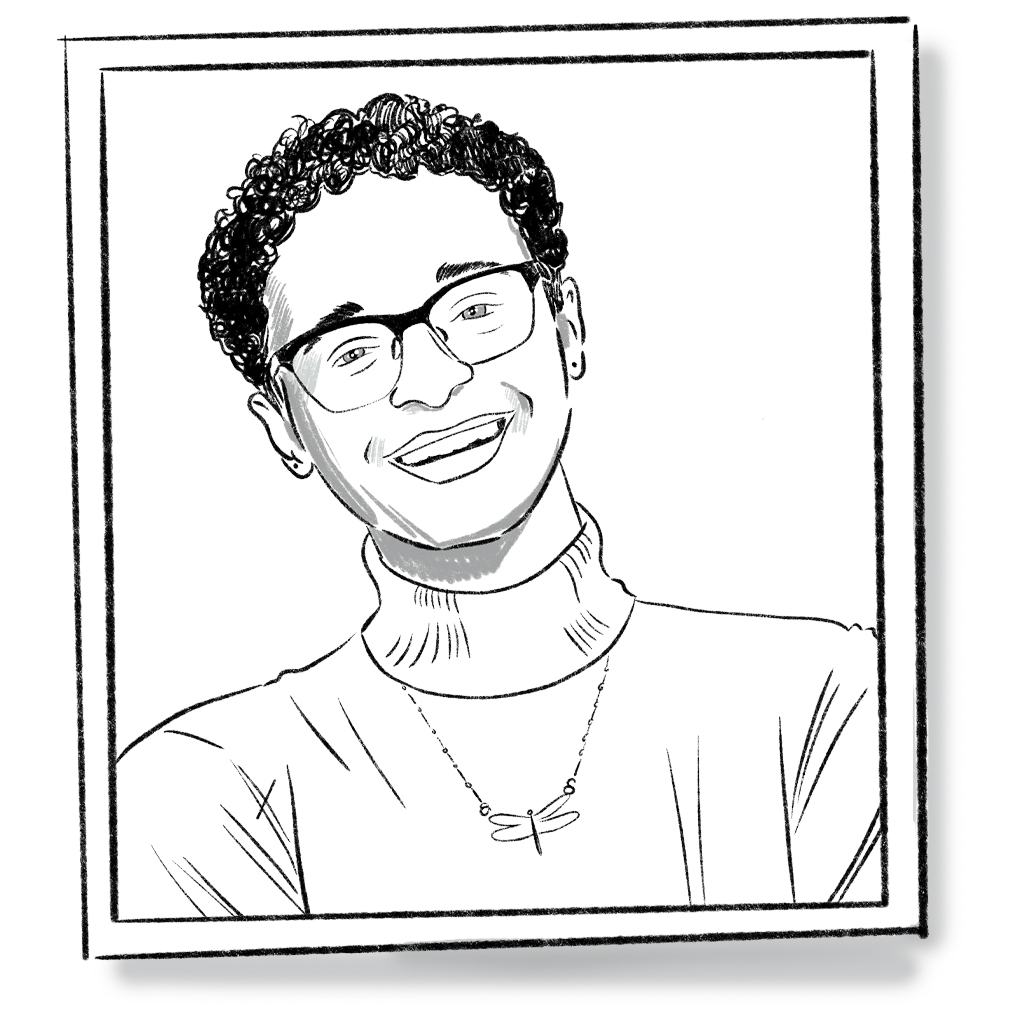
This year, WashU Class Acts spotlights some of the Class of 2026 graduates who have engaged in meaningful research during their years at WashU. In addition to creating new knowledge, they have mastered research methods, ethics and communication — requisite skills for any researcher, especially in this fraught moment of funding cuts and public skepticism. One such graduate is Ariel Hernandez-Leyva, a MD/PhD candidate who says his WashU Medicine training has prepared him to not only lead high-impact research, but to educate others about the purpose of his work.
“Academic medical research can be so foundational that it doesn’t link directly to a pathology or therapeutic, yet it is still a necessary step in the process,” said Hernandez-Leyva, who recently published new gut microbiome findings in the prestigious journal Cell Metabolism. “You must first ask the question and see where the paths take you. Sometimes, that path can lead to nowhere. But disproving a theory is also an important step in moving a project forward and motivating new avenues of exploration.”
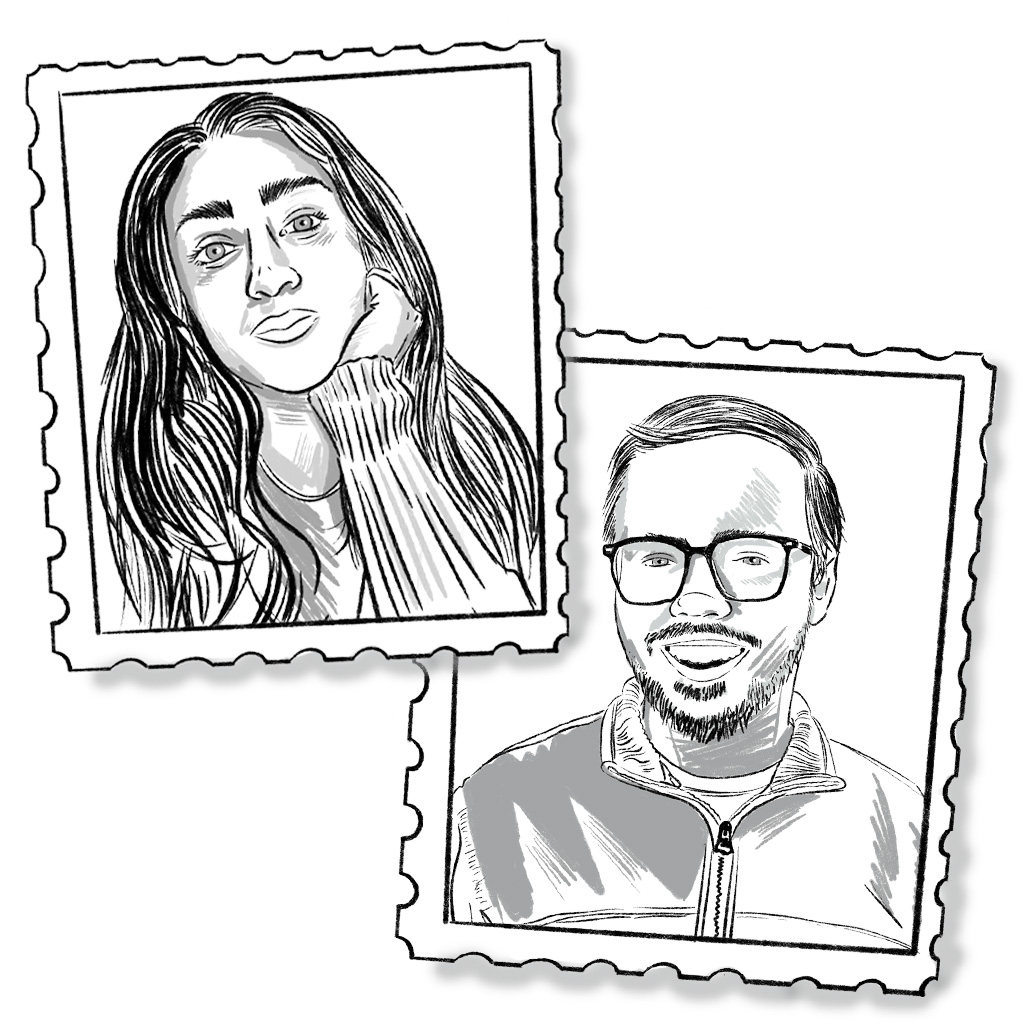
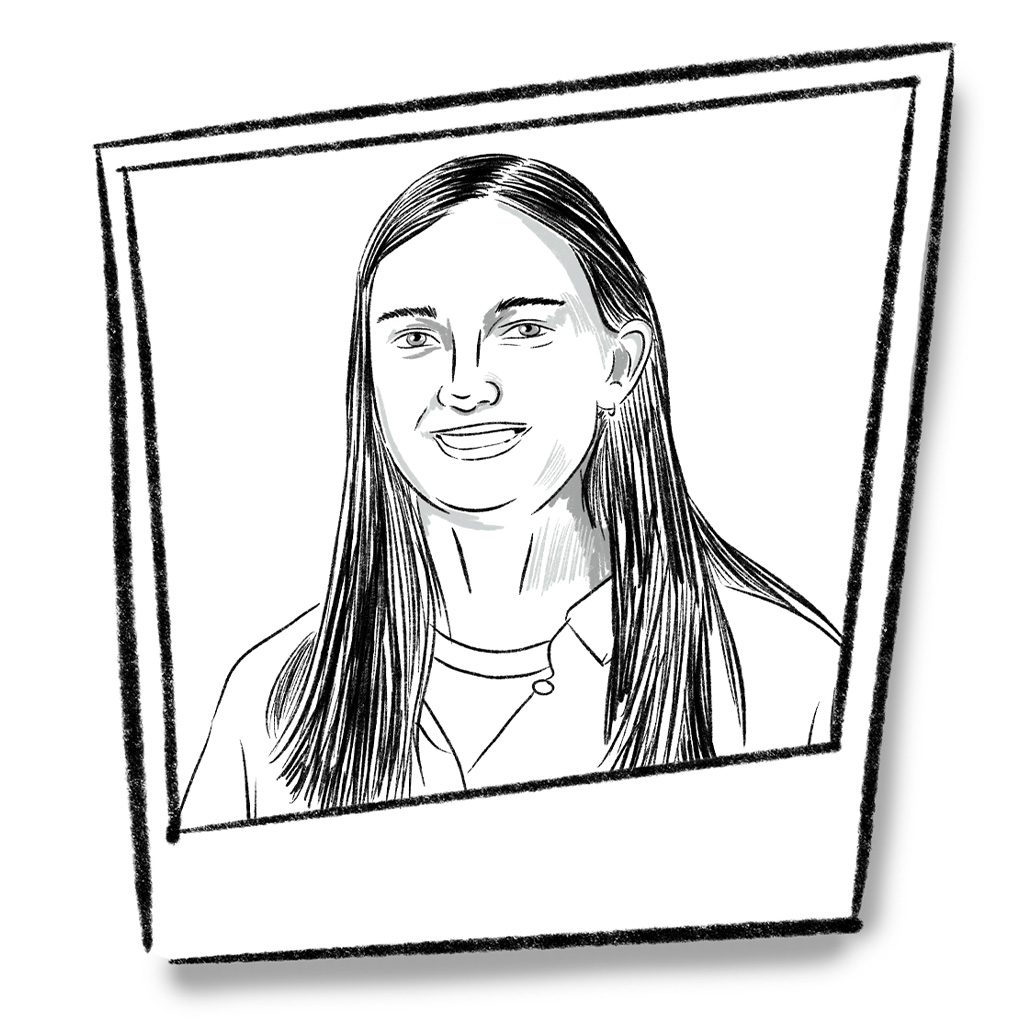
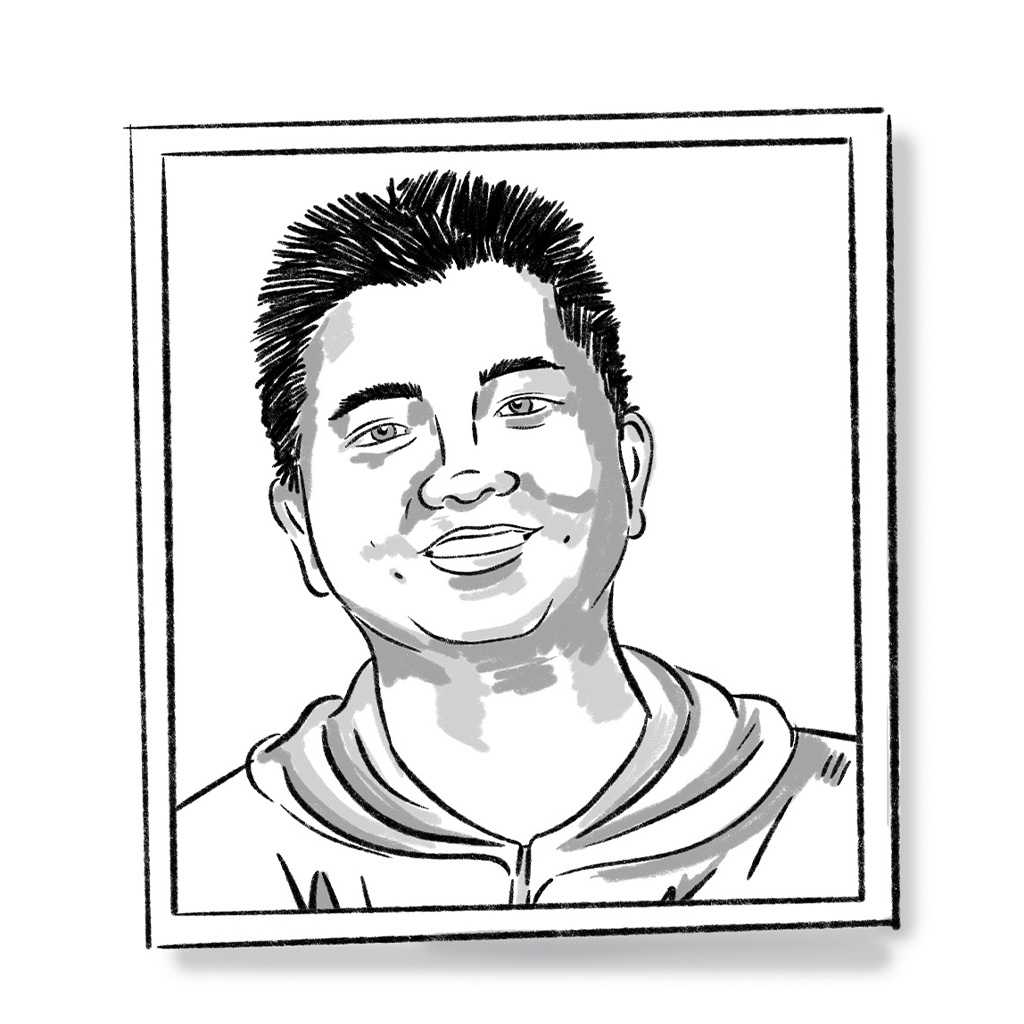
Other 2026 Class Acts include “Sri” Gopalsamy Ramaswamy, who is leveraging his WashU Public Health and Olin Business education to study outcomes for cancer survivors; WashU Law students Beverly Lobo and Jaden Lanza, who are conducting a large-scale study of prisoners’ appeals; Goldwater Scholar and Arts & Sciences student Noah Kabbaj, whose research aims to help people overcome treatment-resistant mental health conditions; and McKelvey Engineering PhD candidate Ruiqi Wang, who worked with WashU Medicine occupational therapy students to design a “smart kitchen” for individuals experiencing cognitive decline.
Diana José-Edwards, assistant director of the Office of Undergraduate Research, said WashU is creating multiple pathways for student researchers. The Office’s new Advancing Research Culture program connects first-year students with ongoing faculty research projects; the Summer Undergraduate Research Guided Experience program provides stipends and programming for WashU undergraduates pursuing faculty-mentored research; and its WashU Research Ambassador Program empowers peer mentors, such as Class Act Cela Lopez, to help fellow students develop research skills and find mentors. The Office of Undergraduate Research also hosts the biannual symposium, which draws more than 600 presenters, as well as workshops and drop-in hours for students who want to hone their presentations.
Many students choose WashU because of its strong reputation as a research university and arrive with research experience. Others, however, need guidance, José-Edwards said.
“Every discipline doesn’t have a clear pathway,” said José-Edwards who, along with Angela Fink, program manager, works with 1,000 undergraduates a year. “That’s why a lot of our work is having resources that help students figure out what they are interested in, who they talk to, what sort of coursework they might need to have.”
In addition, WashU offers students the opportunity to work with dedicated mentors and cutting-edge equipment on high-profile research projects, said Vijay Ramani, senior vice provost for graduate education and international affairs and the Roma B. & Raymond H. Wittcoff Distinguished University Professor at WashU McKelvey Engineering. In total, WashU draws in more than $1 billion annually in research funding, the vast majority from government grants.
“The research enterprise here is exceptional,” Ramani said. “It starts with the undergraduate experience. Our undergraduate researchers aren’t just there to clean the glassware; they have their own projects and are supported by faculty mentors. The support extends to our PhD students, who are surrounded by a robust research ecosystem. They graduate having been exposed to state-of-the-art techniques and tools.”
The investment is worth it, said Ramani, whose own research in electrochemical energy conversion and storage depends on the hard work and creative insights of his undergraduate and graduate research assistants.
“No question — we need these students,” Ramani said. “If our PhD students were to magically disappear, our research enterprise would basically come to a halt. They have the ability to think beyond specific silos that we, as faculty members, have been trained in, and to view questions more holistically. That perspective is invaluable.”
Like Chalker, Ramani also learns from his student researchers.
“When they first come to WashU, I’m the one who’s teaching them, but then there’s this transition,” said Ramani, who has mentored nearly 20 PhD students during his two decades as a university professor. “They go from being tentative and seeking your input to see if they’re on the right path to saying, ‘Here’s the direction we need to go in.’ I joke that students always ask, ‘When can I graduate?’ And I always say, ‘When you teach me something new.’ And they always do.”