
Proposed SNAP cuts would mean more hungry children
The Trump administration last week announced a proposed policy shift for the Supplemental Nutrition Assistance Program that could strip benefits from millions. The change would devastate families already struggling due to updated eligibility rules, said Stephen Roll, at the WashU Brown School.

Preparing workers for the age of AI
As artificial intelligence reshapes the workforce, the Brown School’s Jason Jabbari explains how higher education can prepare students with the skills to adapt and thrive while expanding economic opportunity.
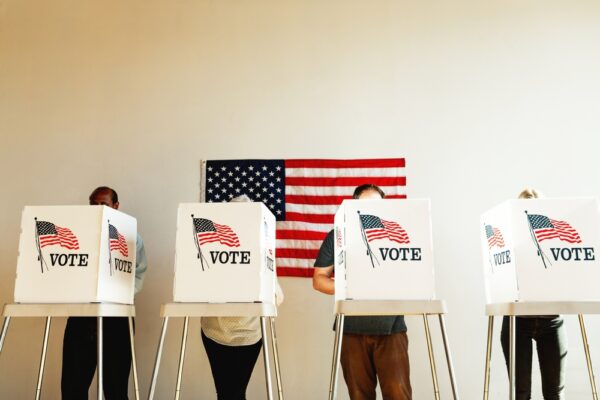
Callais’ impact on voting rights extends beyond 2026 midterms
The 2026 midterm results may have softened the immediate political impact of the Supreme Court’s Louisiana v. Callais decision, but they don’t diminish its long-term consequences for voting rights and minority representation, says an election law expert at Washington University in St. Louis.
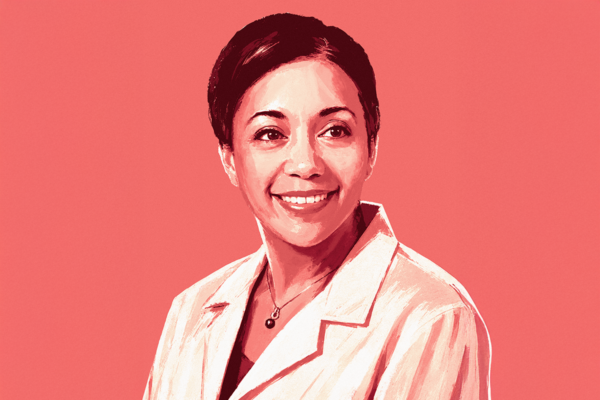
Addressing the youth mental health crisis
Child and adolescent psychiatrist Cynthia Rogers discusses how WashU Medicine’s clinical expertise, research and expanded access to care are improving the lives of children and their families.
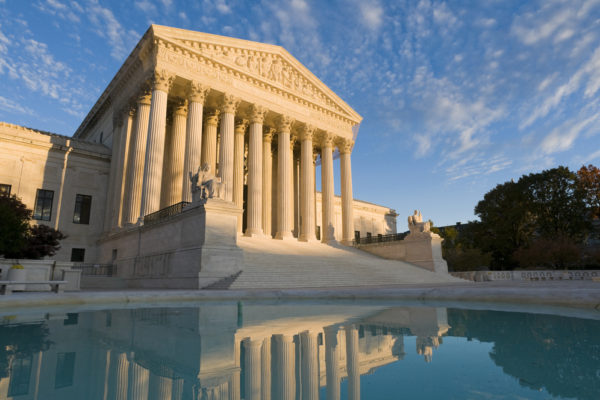
Supreme Court case tests limits of online privacy
A dispute before the U.S. Supreme Court over the Video Privacy Protection Act could have significant implications for surveillance-based advertising and the future of internet privacy, says Neil Richards, a privacy law expert at Washington University in St. Louis.
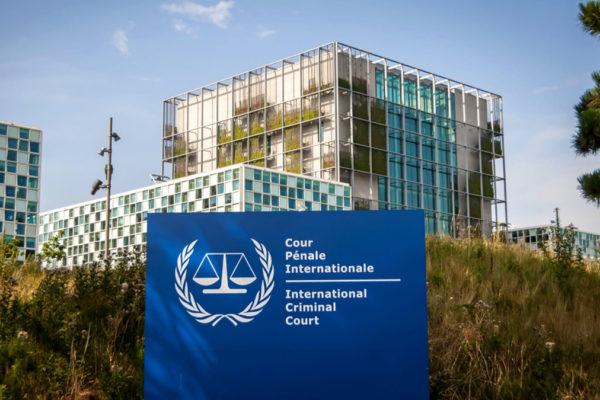
ICC sanctions threaten academic freedom, legal education
The United States imposed sweeping new sanctions against the International Criminal Court (ICC) Oct. 9, following up on sanctions imposed last year. They are threatening academic freedom, limiting opportunities for law students and making it harder for scholars to engage with international legal institutions, WashU law professor Leila Sadat argues.

Amazon’s smart glasses raise privacy concerns
Amazon’s introduction of smart glasses for its delivery drivers raises significant questions about privacy, workplace surveillance and the normalization of continuously recording technology, says WashU Law professor Neil Richards.
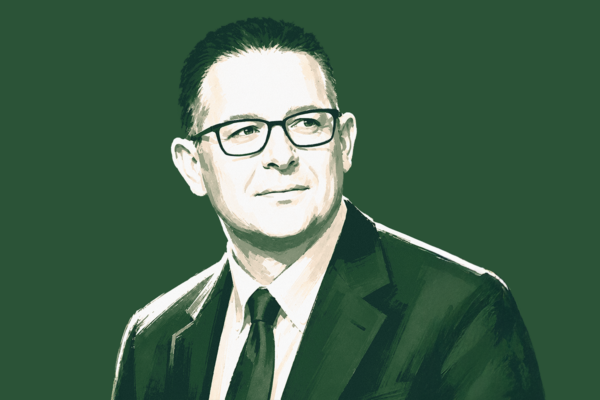
Where AI in healthcare is headed
Philip R. O. Payne, the inaugural chief health AI officer for WashU Medicine and BJC Health, helps explain what artificial intelligence can and can’t do in healthcare and why trust, training and human judgment remain essential.

Book bans limit children’s understanding of themselves and the world
Book bans erase more than stories. They can erase histories and threaten students’ identities, says the Brown School’s Sheretta Butler-Barnes.
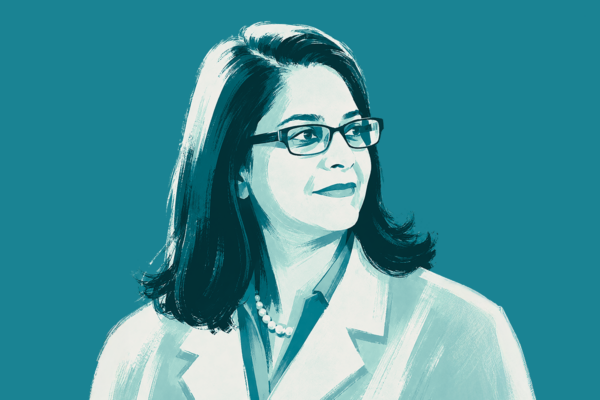
Advice from the frontline of alpha-gal syndrome
WashU Medicine allergist and immunologist Maya Jerath, MD, PhD, has treated over 650 patients with alpha-gal, a potentially life-threatening allergic reaction triggered by tick bites — and the prevalence is increasing rapidly, she says.
View More Stories