WashU Law students Beverly Lobo and Jaden Lanza are conducting a large-scale empirical research project that sits at the intersection of law and data science and could affect imprisonment in America.


Their work focuses on certificates of appealability in habeas corpus cases — an often-overlooked but critical step that determines whether a prisoner can appeal a denied petition for their release. By compiling and analyzing more than 32,000 federal cases across circuits, the pair aims to better understand how courts are applying the standard and whether access to appellate review is being unevenly or unfairly limited. They are set to graduate from WashU Law in May.
Lobo has accepted a position at law firm Sullivan & Cromwell in New York, where she will be working on a variety of litigation matters. Lanza will be clerking for a federal judge in Kansas City, Kan., for a year before joining Lobo at Sullivan & Cromwell.
The pair will continue working on their project and hope to publish it in a law journal once it’s complete.
What is the focus of your research project?
Lobo: Our project examines the grant and denial rates of certificates of appealability for habeas corpus petitioners across the federal system. These certificates are essentially the gateway to an appeal — if a petitioner doesn’t receive one, they can’t move forward in challenging a denied habeas claim. Although the Supreme Court has indicated that the bar for granting a certificate should be relatively low, we suspect that courts are applying a much stricter standard in practice.
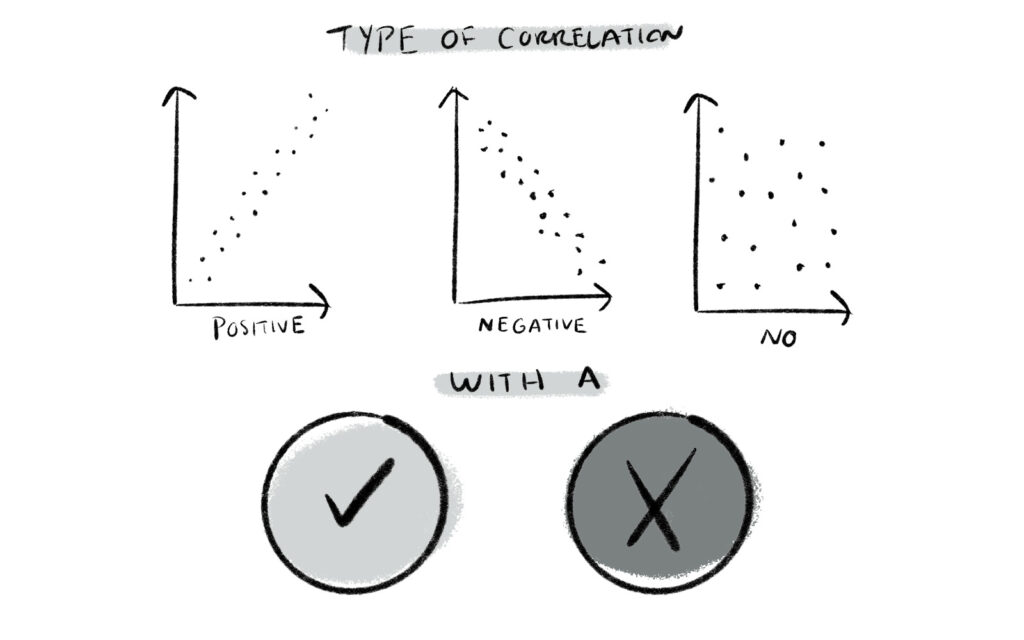
We’re looking at this issue from multiple angles. First, we want to see whether denial rates are consistently high nationwide. Second, we’re examining variation across circuits — because the law should be applied uniformly regardless of geography. Finally, we’re exploring whether judge-level characteristics, such as appointing president or political affiliation, could correlate with outcomes. Our goal is to use data to evaluate whether the current system aligns with the legal standard or whether it should be reformed.

How are you approaching the research?
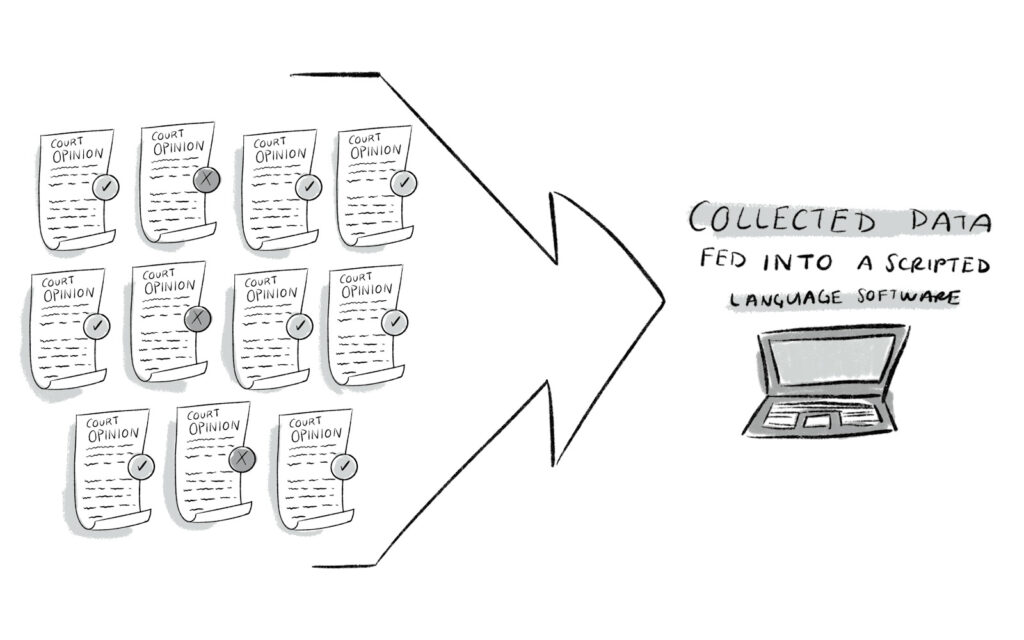
Lanza: We began by building a comprehensive dataset of habeas cases. So far, we’ve collected more than 32,000 federal cases from 2017 to the present. That’s too many to review individually, so we’re using statistical sampling methods to create a more manageable subset. By stratifying the data across circuits and then randomly sampling within those groups, we can generate findings that reflect national trends without needing to read every case.
We’ve completed the data collection and organization phase, which involved extracting and structuring case information into a usable format. The next step is to closely review our sampled cases and code them based on whether a certificate of appealability was granted or denied. From there, we’ll analyze patterns across circuits and judges. It’s been a challenging process, especially from a technical standpoint, but it’s also been rewarding to apply empirical methods to a legal question that hasn’t been studied at this scale before.
Q: What has this experience — and your time in law school — taught you?
Lobo: One of the biggest takeaways has been how much this project pushed us beyond traditional legal training. We’ve had to learn new technical skills, including coding in Python, just to collect and manage the data. That’s not something you typically associate with law school, but it has been incredibly valuable. At the same time, the project builds on practical experiences we’ve had, like the WashU Law Appellate Clinic, where we first came across these issues. I think it’s a great example of how the law school encourages students to connect in-class learning with real-world experience.
Lanza: I’d add that the broader law school experience has been very hands-on. Through clinics, externships and research opportunities, we’ve been able to work on real cases and contribute in meaningful ways. That kind of exposure makes a big difference in preparing for practice. Whether it’s working with judges, representing clients or conducting large-scale research like this, the emphasis is on developing skills you’ll actually use in your career.