Noah Kabbaj was an avid reader in middle school. The literary world was a space where he could experiment with ideas and get exposed to new environments. Reading ahead of many of his classmates, Kabbaj got caught up in the story of Esther Greenwood, the talented college student in Sylvia Plath’s classic novel, “The Bell Jar.” In the book, Esther spirals into severe depression in 1950s New York City and is admitted to a hospital for treatment.
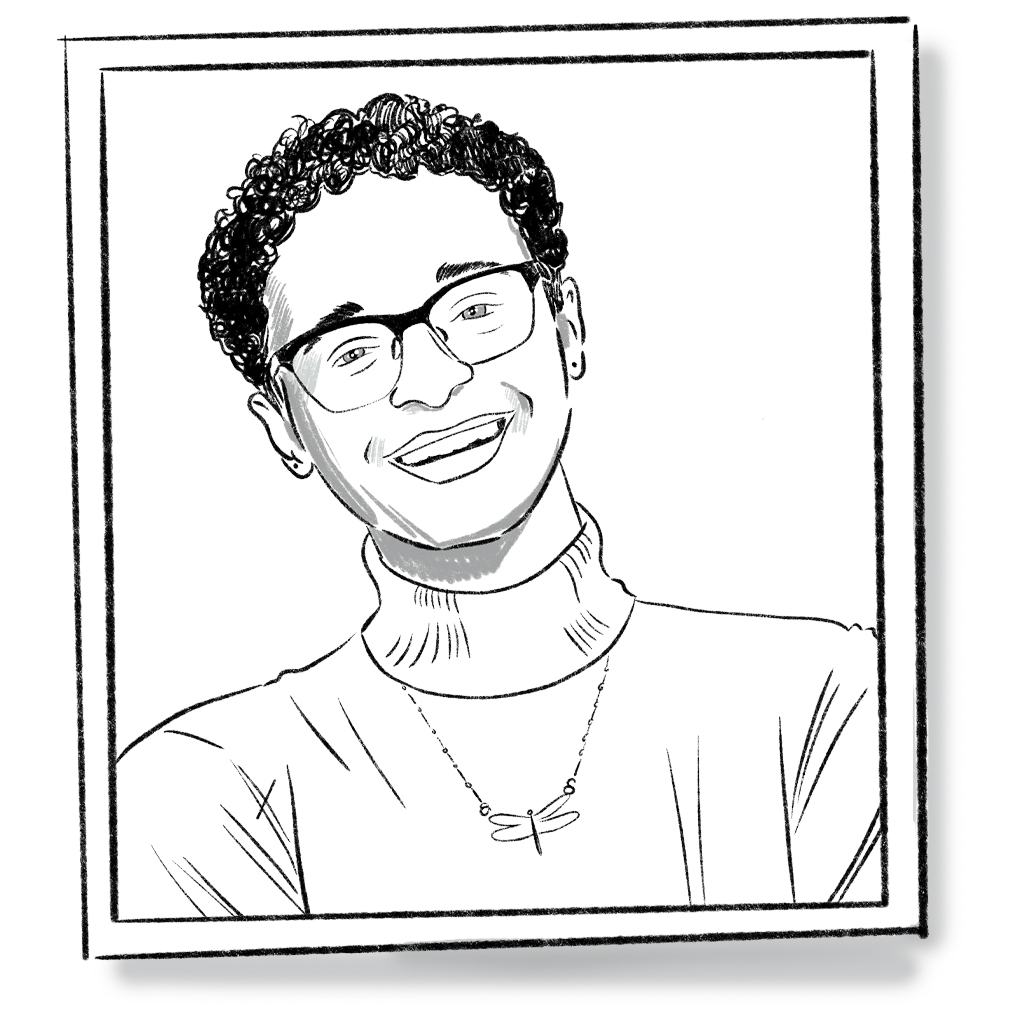

“It was my first introduction to ideas about psychiatric illness,” Kabbaj said.
Today, as a biology major in WashU Arts & Sciences, Kabbaj is on the front lines of research that is aimed at helping people overcome treatment-resistant mental health conditions, including severe depression. He works in the lab of Jordan McCall, an associate professor of anesthesiology at WashU Medicine.
“Psychiatric illness is still so difficult to treat,” Kabbaj said. “There are a lot of unknowns, and progress has not been as fast as we would like.”
After he graduates in May, Kabbaj plans to pursue a PhD in neuroscience. He is an Annika Rodriguez Scholar and a STARS Academic Year Scholar, and he participated in the WashU ENDURE program, which trains undergraduates from all backgrounds who seek to become brain scientists. A native of Tallahassee, Fla., Kabbaj was named a Goldwater Scholar in 2025. Kabbaj was also head of speakers for TEDx WUSTL and was a member of Lock & Chain, WashU’s oldest sophomore honorary.
Tell us about the medical treatment that you study, electroconvulsive therapy (ECT).
ECT is what you might have seen in the movies as shock therapy. It’s often misunderstood as a violent treatment, but it helps a lot of people and has evolved since its inception. For many people who suffer from psychiatric illnesses like depression, schizophrenia and bipolar disorder, this treatment is actually super effective. After doctors try drugs like SSRIs, there are still many for whom treatment doesn’t work. ECT is highly effective for those people.
Despite its troubled history, ECT is a fascinating and exciting treatment. It’s not violent at all now. It involves a full body anesthetic and a paralytic. The patient doesn’t actually undergo the physical convulsions you would expect from a traditional seizure; the seizure happens in the brain. And that’s what we need in order for the treatment to work.
What do you do in your research, specifically?
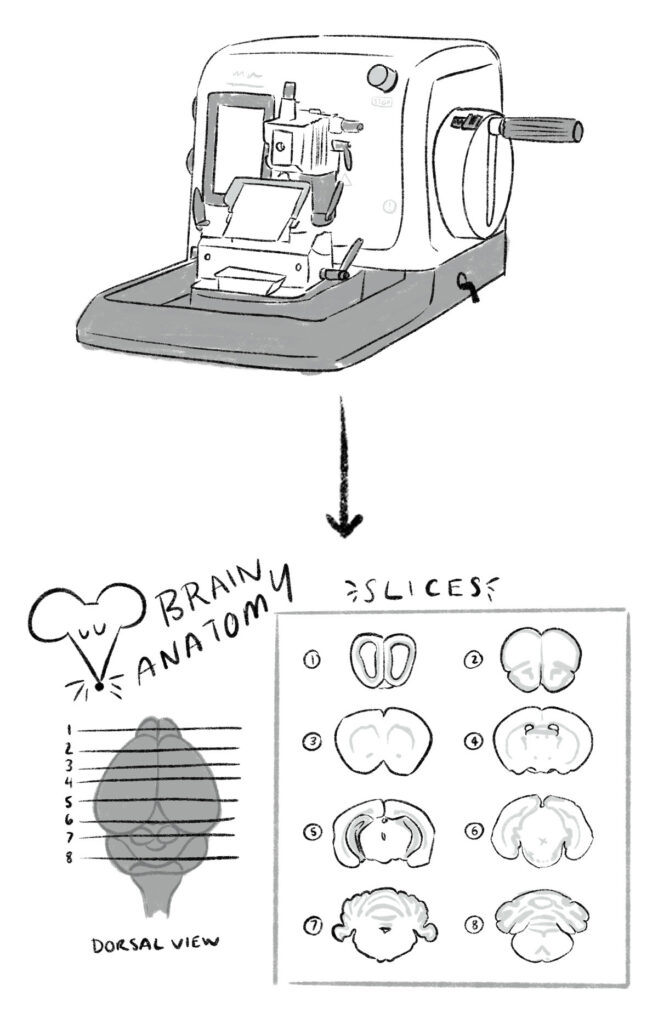
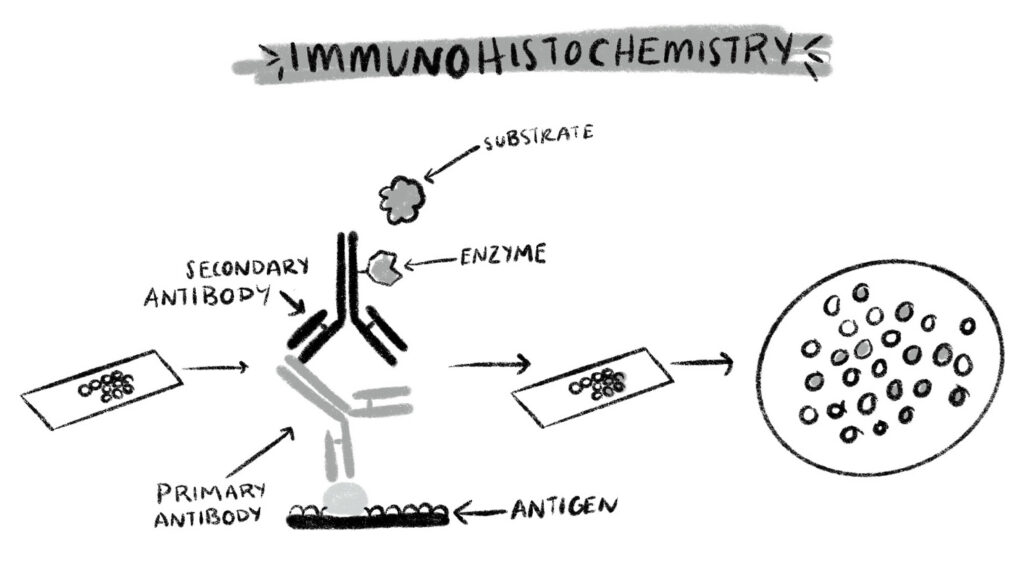
I work with a mouse model of ECT called electroconvulsive shock. Briefly, what I’ve found is that after multiple sessions of electroconvulsive shock, I see an increase in activity of GABAergic cells, which suggests that they might be involved in the mechanism for ECT. (GABA is the major inhibitory neurotransmitter in the brain.) Beyond that, I’m also interested in looking at neuroplasticity, or the idea that the brain can change over time. That can mean a lot of things, but in the context of my work, I’m interested in looking at plasticity-associated structures called perineuronal nets and seeing if they change after electroconvulsive shock.
Beyond the thrill of discovery, what keeps you motivated?
A central theme that I’ve tried to embody and follow in undergrad is that once I reach a certain place, I want to be able to turn around, reach back and help others reach that spot as well. I’ve been an ambassador for the ENDURE and STARS programs, two programs that were instrumental for me. Meeting other students who were on a similar path and who shared identities with me — and having the reassurance that they could do it as well! — helped push me forward, too. I’ve felt how valuable it is to have mentorship from people who get what it’s like to not always belong. That’s something that I look forward to continuing in science as well.