Sridharan “Sri” Gopalsamy Ramaswamy does not stop at the first answer. Growing up in Tamil Nadu, India, he was drawn to a view of health that looked beyond symptoms to root causes. He trained at SDM College of Naturopathy and Yogic Sciences in India, completing an undergraduate clinical degree in natural and lifestyle-based medicine, and went on to work in a rural clinic. That experience — first as an intern, then as a clinician — gave him a closer view of how care is actually delivered. It also left him with questions he wanted to explore beyond the clinic.
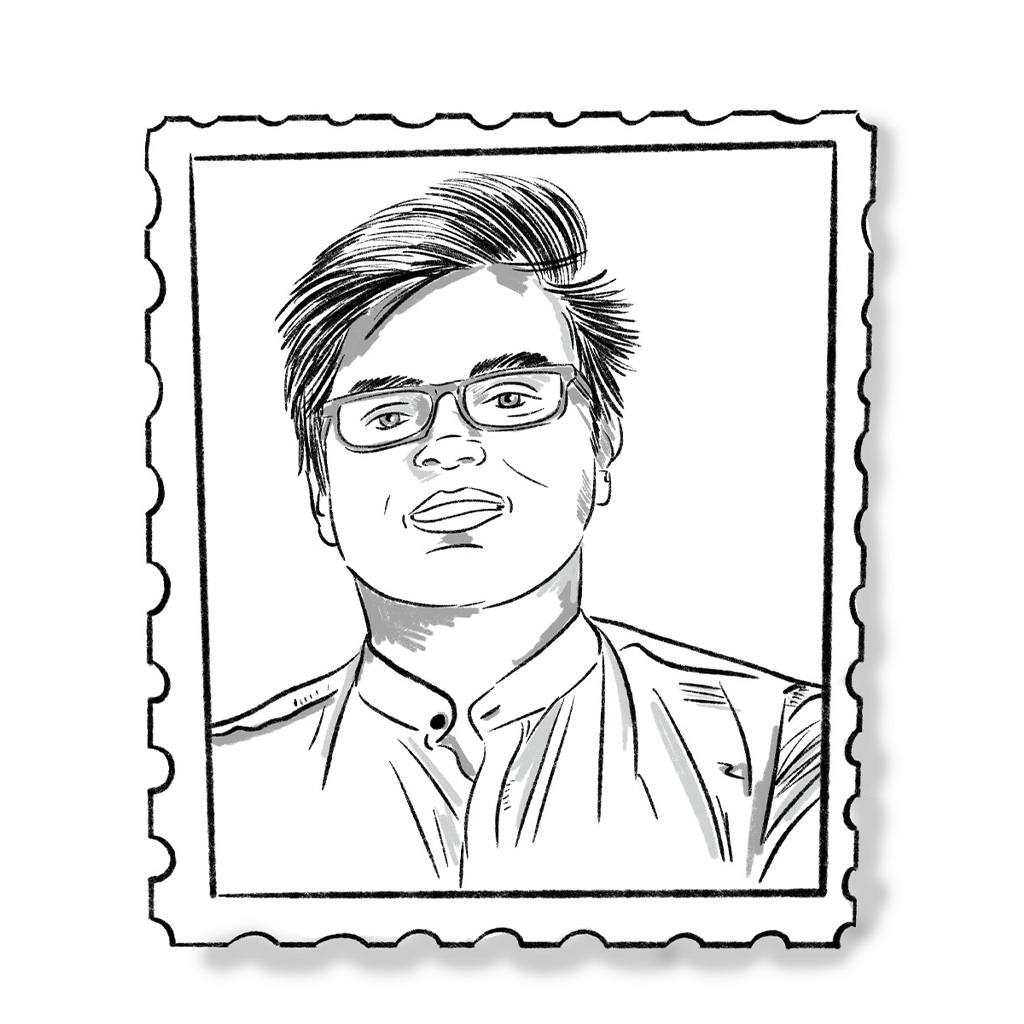
At WashU, he has pursued a dual degree and is set to complete both a master’s in public health and a master’s in business administration in May. His public health work examines what happens after cancer treatment ends and why survivors often fall through the cracks of preventive care. At Olin Business School, he has focused on how those challenges can be addressed in practice. Together, that training is shaping his goal of closing the gap between knowledge and care.
You were drawn early to treating the whole person. How did that mindset take shape?
I grew up in southern India. My mother played a huge role in my life. She always talked about service and made sure we did not just take medicines blindly without identifying the root cause.
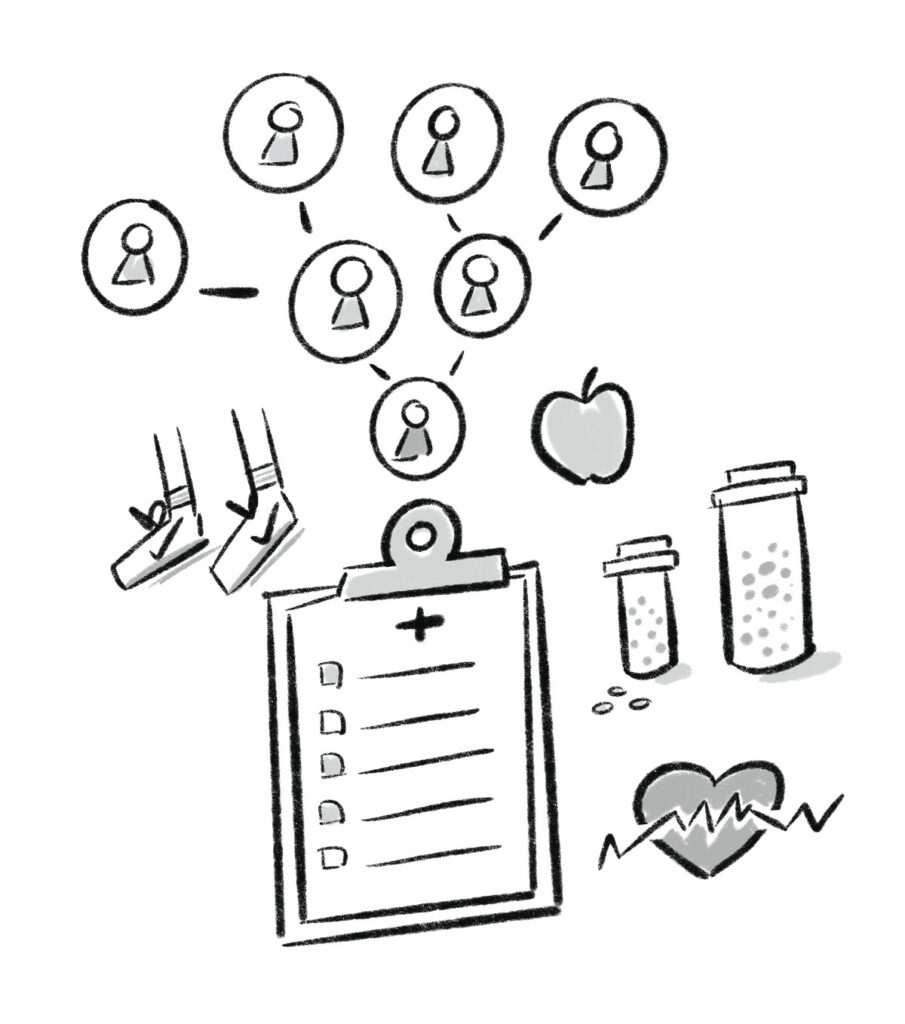
That led me toward integrative medicine and a focus on treating patients beyond symptoms. How is their mental health? Is their diet OK? What is going on in their lifestyle?
How did your early experiences in India change the way you think about health?
When I started working in a rural clinic, I began seeing issues with access and affordability much more clearly. In school, you feel like research will solve the world’s problems. But in practice, I realized how little of it actually reaches the patients it is meant to help.
That realization led me to public health. I was seeing patients as individuals, but to make system-level changes, or to translate what we already know into care, it takes a much deeper understanding. I needed to see how disease burden looks across populations and how care is — or is not — reaching people. That gap became clear.
Your research asks what happens after cancer treatment. What drew you to that question?
This question was personal before it became academic. Someone very close to me went through cancer, and I saw what it does not just to a person’s health, but to their life — the financial strain, the emotional toll, the way it reshapes everything, even after treatment ends. The world often sees cancer as something you go through and move past. But no one talks about what happens after.
Through my work with Dr. Beryne Odeny at WashU Medicine, I began studying whether cancer survivors are receiving adequate preventive care. She gave me a lens for seeing this work at the system level and looking at electronic health records beyond data points.
One of the most striking findings came from my cervical cancer screening research: Survivors were only slightly more likely to be screened than women without a cancer history, and both groups were still below national targets. What stood out most was that structural barriers — access to care, education and other social factors — mattered more than survivorship itself.
How does public health and business come together in your work?
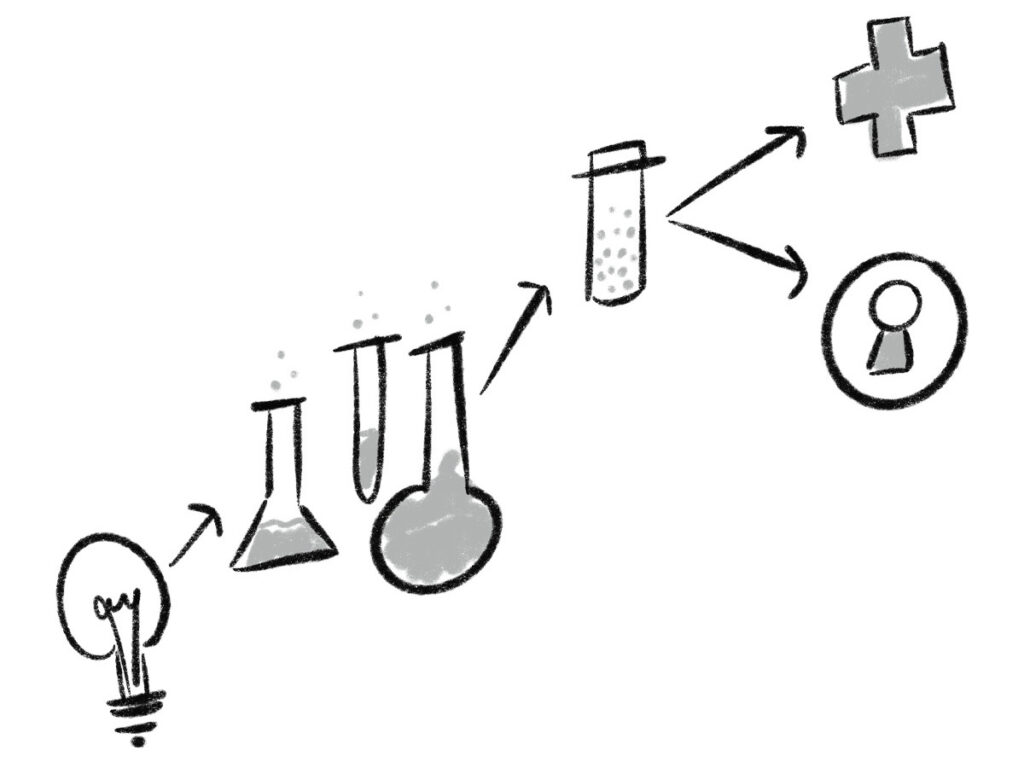
Public health gave me the evidence. It helped me understand the burden and the disparities. But I realized that was only one side. I could identify problems, but not yet think about operations, implementation, financing or what it takes to create a product or system that actually reaches people. My MBA helped me see how those solutions take shape in the real world. I see myself as someone who can bridge both sides.
My goal after graduation is to take this kind of evidence to the organizations that can act on it — health systems, cancer centers and the teams redesigning how care is delivered while continuing to do research that keeps asking where the gaps are.
That is also why I am part of the team behind Nyrocare, a graduate venture concept focused on chronic disease management. I have spent a lot of nights learning how health technology actually works, how a patient would experience it, what it takes to move from evidence to something accessible and actually used. I did not want my ideas to stay in papers.