GP Worley applied to the WashU Brown School because they were inspired by the work of the Sexuality, Health and Gender (SHAG) Center. Today, Worley is one of the center’s most committed contributors, pursuing multiple projects that explore the role of sexuality and gender in health. They hope to continue to make an impact on their communities through a PhD in counseling psychology or social work.
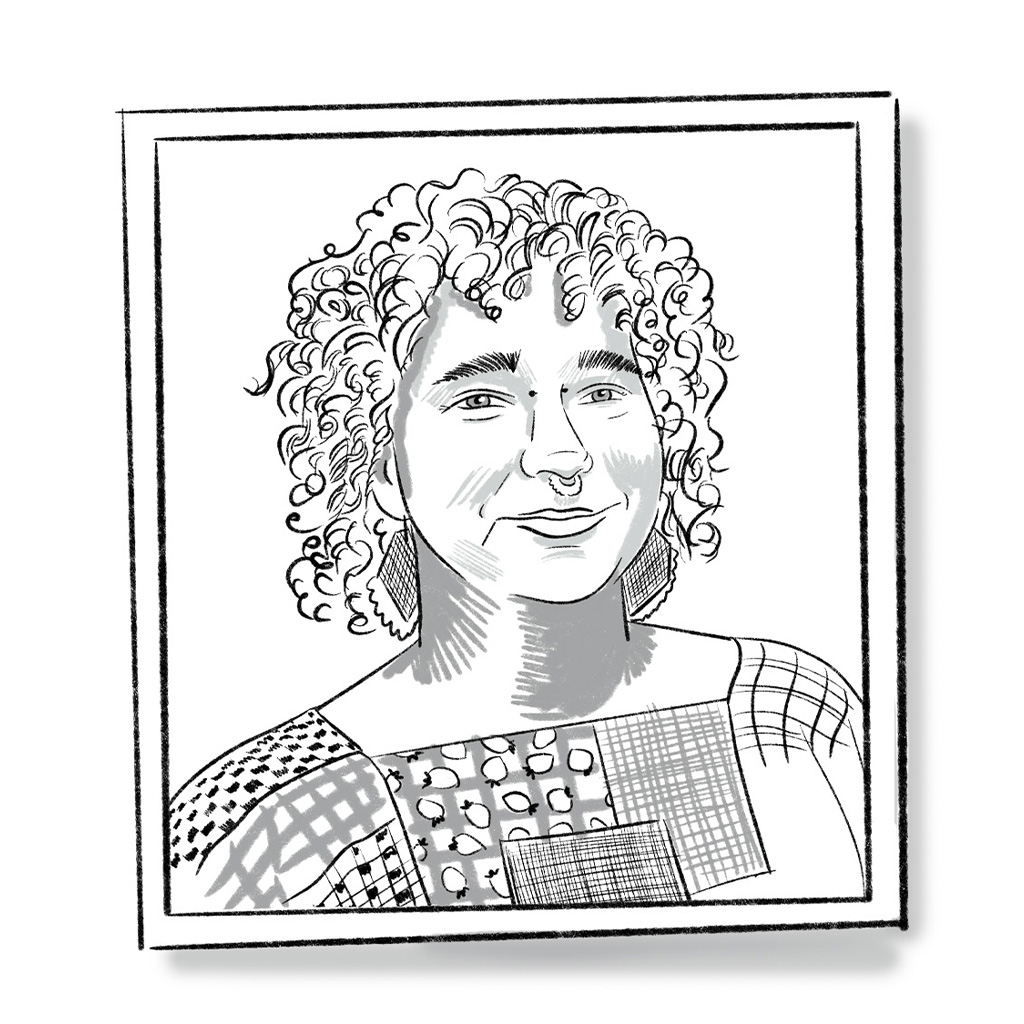
“It’s really hard being a queer person right now … it was hard coming into a social justice-oriented program, and then immediately the political climate shifted to where none of the things that we are paying to go to school for are valued anymore,” said Worley, who is scheduled to graduate in May with a master’s in social work. “It can feel really disheartening, but I think the work that we all do is really meaningful.”

Worley said the Brown School provided opportunities to conduct research with the field’s leading experts, including practicum supervisor Joshua Rusow, an assistant professor, who studies how queer youth learn about romantic relationships. They also have worked with Paz Galupo, the Audre Lorde Distinguished Professor in Sexual Health & Education, and the late Jeremy Goldbach, the Masters & Johnson Distinguished Professor in Sexual Health and Education.
Worley, of San Diego, also served as vice president of the Brown School Student Coordinating Council and helped organize mutual aid after the tornado last May. Worley also enjoys hiking and camping, writing poetry, community organizing and watching movies.
What drives your work?
I’m passionate about social justice and ethical outcomes for marginalized people. I’m gender diverse, so there’s a lot of meaning in that to me. I am often in community, and the work I do is fueled by a love for it and a desire to improve all our lives and to properly represent our stories, fears, loves, challenges and strengths.
What is your research focus?
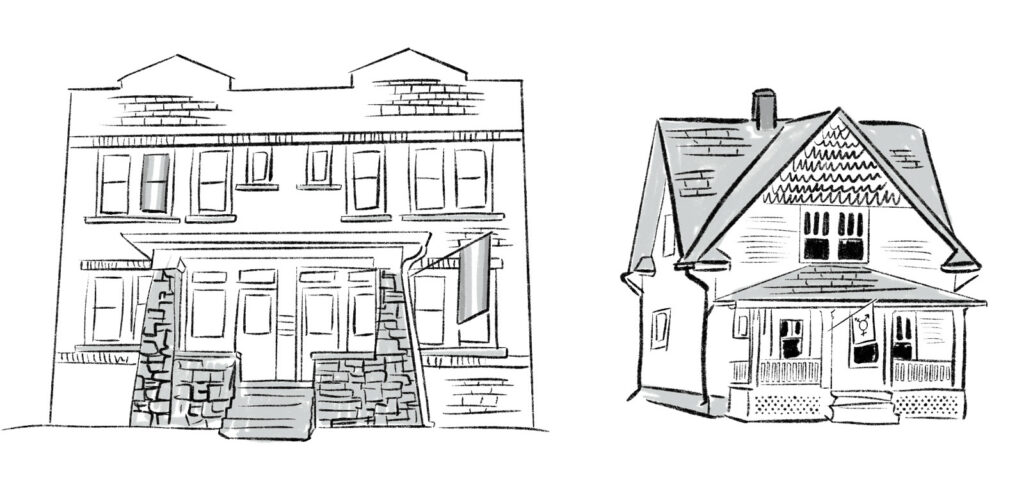
My research has largely focused on queer health and mental health outcomes and access to role models, specifically relationship role models, and resilience in the current sociopolitical landscape. I am also working with my adviser to start a survey and study on housing outcomes and needs for trans and nonbinary people in the city, in partnership with the Trans Housing Initiative St. Louis. This is a community-based study focusing on the needs of the community, with survey design input from community members and partners.
Some of this work is qualitative and some is quantitative. A lot of my quantitative work is reading related literature, typing and data management like keeping up with records, emailing participants, sending gift cards and more. It’s a lot of keyboard time, but it’s really more than that. My qualitative work is a bit more involved. The goal of our CIRQLE (Characterizing Interpersonal Relationships: Queer Lives and Experiences) study is to assess and better understand the relationships young queer people have in any form. I am the primary interviewer for the study and its lead research assistant. I get to spend about 90 minutes a session with our target population of queer teens, which is really lovely. I get to ask them about their experiences and how they have gotten to where they are.

How are SHAG and your mentors’ research philosophies unique?
It’s important to me and the leaders of the center to use a strength-based model when framing data as opposed to using a deficit model. We did a systematic review where we went through databases, scrolling for different keywords that fall under different categories. We wanted to learn more about mental health outcomes and the framing of queer experiences. From the data we have looked at, all of the interventions historically frame queer experiences from a deficit model, not a strength-based model. We definitely take a different approach to our research.