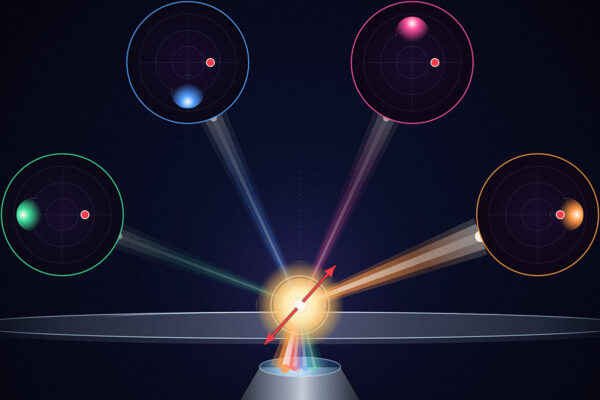
How light can reveal the hidden orientation of a single molecule
Recent work from researchers in the lab of Matthew Lew at WashU McKelvey Engineering found that polarized light patterns can improve how precisely microscopes measure the orientation of single molecules.

WashU research finds gaps in Google AI Overview citations, claims
With the advent of Google AI Overviews, Google has unprecedented editorial control over what users read and know, according to Jacob Montgomery, a WashU Arts & Sciences political scientist.
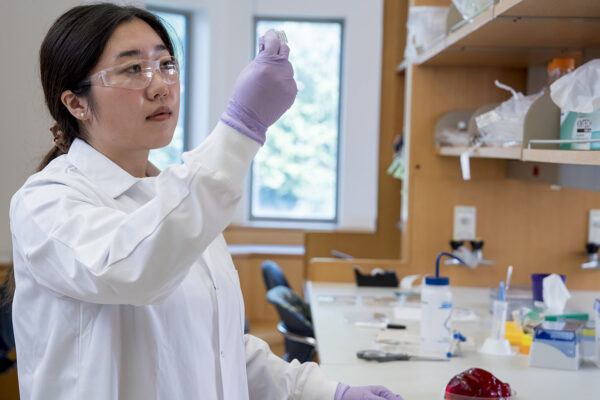
A unique solution for bioelectronics: collagen and cacao butter
Biomedical engineers at WashU McKelvey Engineering developed an additive manufacturing method using a 3D printer that builds bioelectronic materials from collagen and a polymer that can carry electrical signals, work that could ultimately improve the function of medical implants.
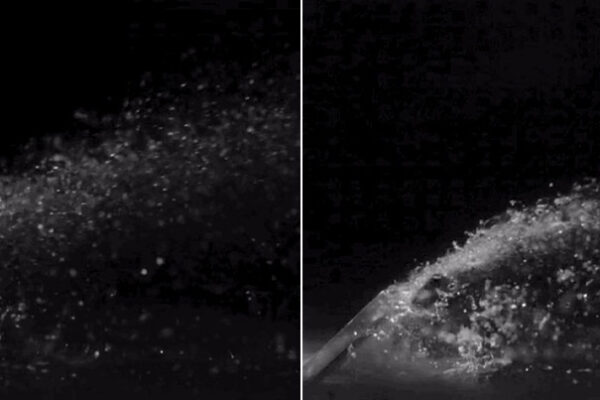
Ultrasound-fueled vapor may be key to fueling detonation-based propulsion engines
Mechanical engineers in James Friend’s lab at WashU McKelvey Engineering received a grant to use ultrasound to make fuel droplets smaller, overcoming some of the challenges of detonation-based propulsion engines.
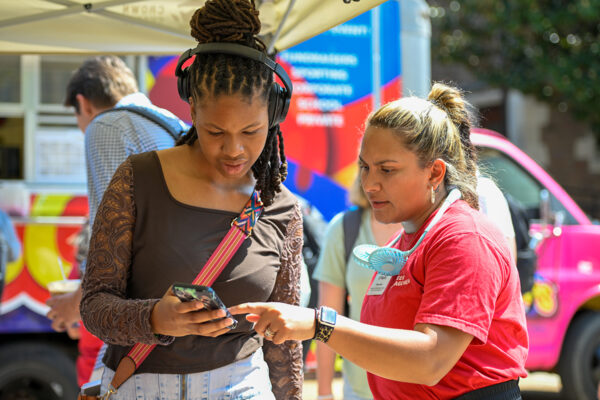
WashU students build skills, networks through internships
About 400 WashU students turned out for “What’s Your Summer Scoop?”, hosted by the Center for Career Engagement. Students shared information about their internships, fellowships, research experiences, summer jobs and volunteer service. The center will use that information to provide experiential learning resources.
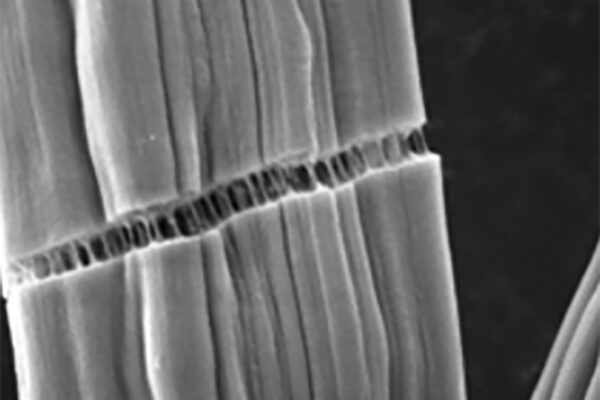
Clearing the way for renewable carbon fiber production
Researchers at the McKelvey School of Engineering developed a process to use waste materials in the production of carbon fiber, a key step to more sustainable manufacturing and stronger material design.

Stress granules the focus of molecular, cellular basis of neurodegenerative diseases
WashU’s Rohit Pappu and Tanja Mittag at St. Jude received renewed research funding to continue foundational work in studying the basis of Alzheimer’s disease, ALS and frontotemporal dementia.
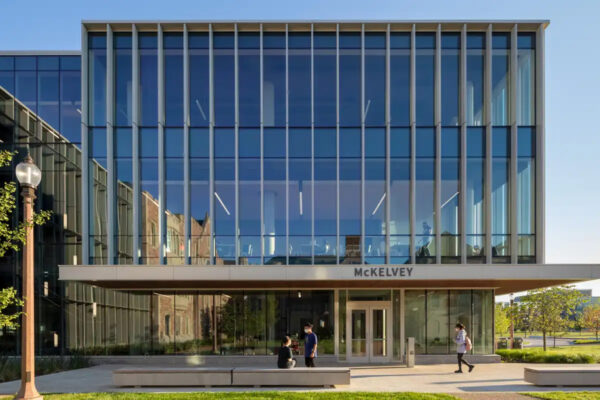
McKelvey Engineering dean search committee appointed
Provost Mark D. West has appointed a 13-member search committee to identify candidates for the position of dean of the McKelvey School of Engineering at Washington University in St. Louis.
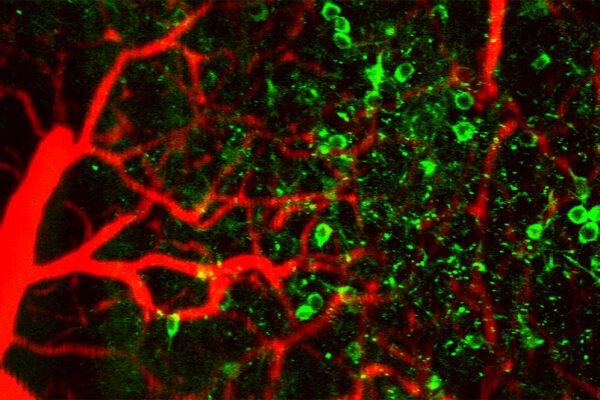
Oxygen delivery on display
Biomedical researchers at WashU McKelvey Engineering have developed a new imaging technique that captures the dynamic coupling between the brain’s vasculature and its neurons. The new microscopy tool could help lead to breakthroughs in studying stroke and dementia.
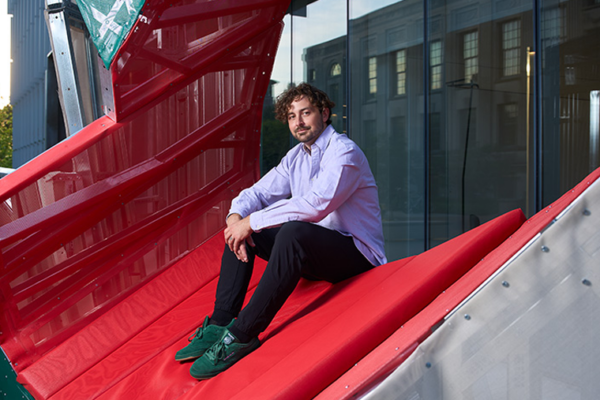
Building potential
Scott Mitchell harnesses the power of robotic machines to create wow-worthy structures.
View More Stories