
How to navigate conflicting childhood vaccine guidance
Jennifer Layden of Bursky Public Health explains conflicting childhood vaccine guidance, drawing on her experience leading state outbreak responses and national vaccination efforts at the CDC.

‘Buy now, pay later’ may reshape retail prices, inventory, WashU research finds
New research from WashU Olin Business finds popular installment payment plans are changing not only how consumers pay, but also the prices they face and the way retailers manage their businesses.
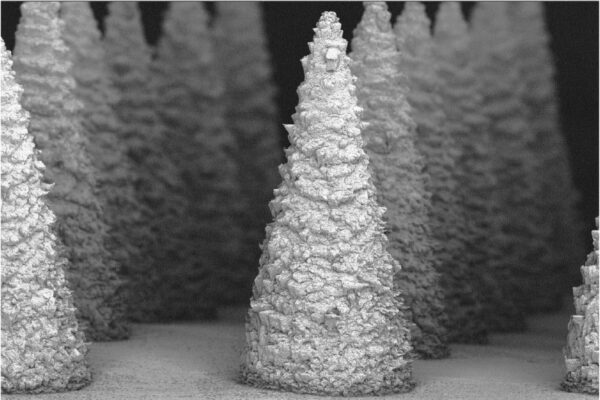
A painless punch with a microneedle patch could detect kidney disease earlier
New research from the lab of WashU McKelvey Engineering’s Srikanth Singamaneni shows the early success of a microneedle patch that can be applied on the skin to capture biomarkers of kidney injury. It may one day support home or point-of-care monitoring.
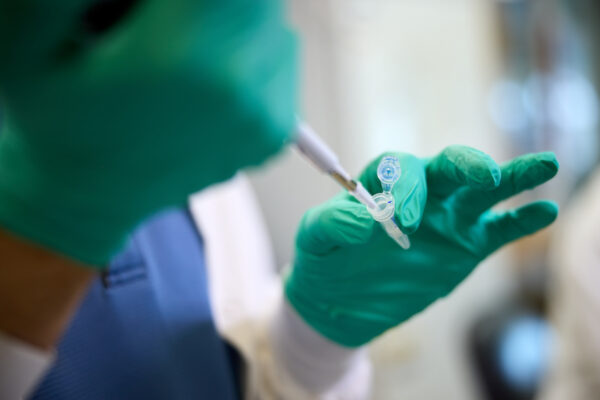
FDA clears blood test to aid evaluation for Alzheimer’s disease
The biomarker test, called PrecivityAD2, was developed from technology invented at WashU Medicine by Randall J. Bateman, MD, and David M. Holtzman, MD.

Housing may shape death risks for low-income older renters
For low-income older adults, where they live may affect how long they live, according to new research from Washington University in St. Louis.

Five trends shaping public health
From longer lives to eroding institutional trust, powerful forces are converging in ways that demand new approaches to protecting human health.

CAPS students help Trailnet create safer streets
WashU Continuing & Professional Studies students mapped collision patterns and the city’s busiest corridors — work that supports Trailnet’s mission to make St. Louis streets safer and more accessible for pedestrians, cyclists, transit riders and drivers.
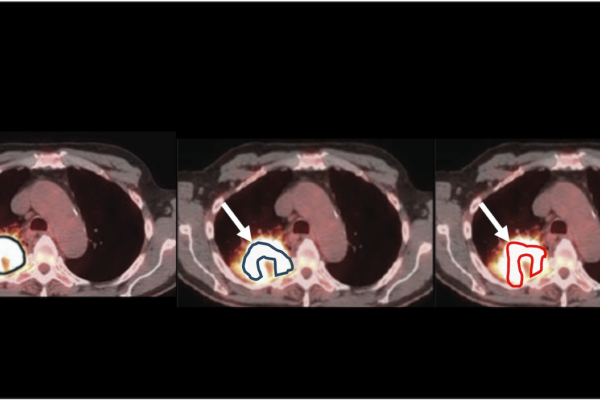
Technique evaluates reliability of imaging measurements used in medical decision-making
Advances in medical imaging and artificial intelligence have revolutionized many aspects of medical practice, but it can be hard to know if a given measurement tool works as intended. A technique developed by WashU researchers can be used to assess the reliability of quantitative imaging tools.
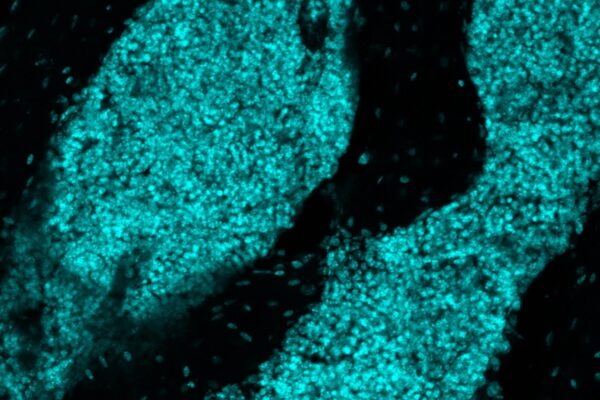
Newly found ‘immune organ’ inside skull directs brain defense
WashU Medicine researchers discovered immune hubs in the skull bone marrow responsible for mounting a rapid immune response in the brain, which may point to new ways to fight brain cancer and neurodegenerative diseases.

WashU builds momentum through AI initiative
As the fall semester approaches, WashU’s AI initiative is driving academic innovation across schools and disciplines.
View More Stories