In Brief
- Book bans harm children by limiting stories reflecting their identities, cultures and histories, while reducing opportunities to understand others’ experiences.
- Targeted removals can undermine the self-worth and identity of students of color and weaken empathy.
- Sheretta Butler-Barnes favors parent choice, reviews and trained librarians.
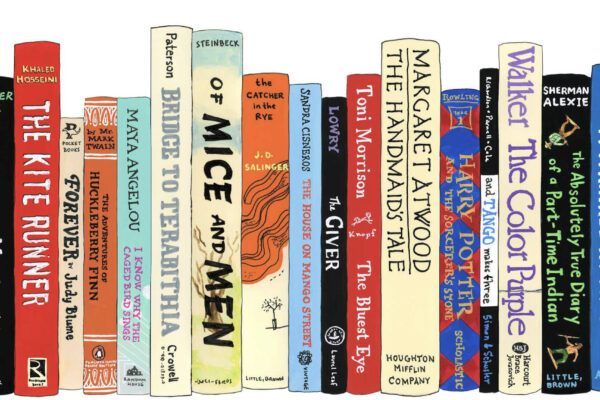
The legality of a Missouri law enacted in 2022, which led to removal of hundreds of books from school libraries throughout the state, is in the hands of the Missouri Supreme Court. Thousands of books continue to disappear from public and school libraries around the country. PEN America has documented nearly 23,000 instances of book bans in U.S. public schools and classrooms since 2021, across 45 states and 451 school districts. Most of the targeted books have to do with race, gender and sexuality.
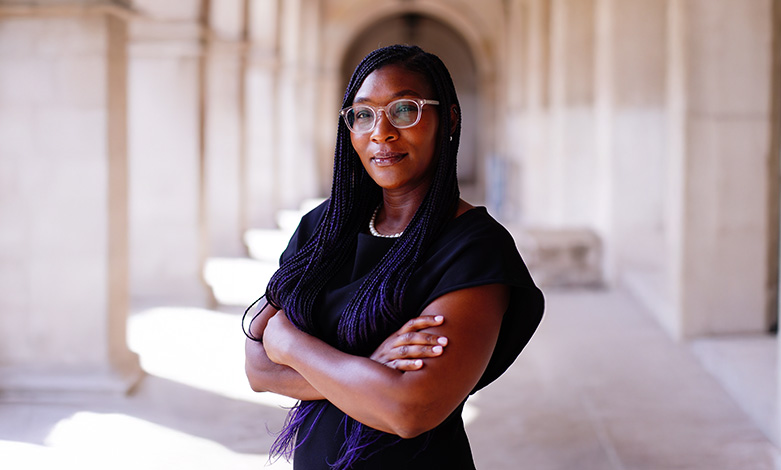
The bans erase more than stories. They can erase histories and threaten students’ identities, said Sheretta Butler-Barnes, an expert on Black families, positive youth development and educational well-being at the WashU Brown School. Here, she discusses the impact of book bans and how we might handle sensitive subjects instead.
Who is ultimately hurt when we ban books from libraries and schools?
When I think about book bans, especially here in Missouri, where teachers are worried about being reprimanded for discussing books perceived as inappropriate for children, that fear alone has led to nearly 300 books being pulled from shelves in our state. So, who is ultimately hurt? It’s the children and youth. They lose a chance to learn about themselves, about the struggles of people who look like them and how those people persevere.
Children whose identities and experiences differ from those represented in these books are hurt, too, because they lose a chance to learn about people’s cultures and histories. Book banning or removal isn’t just erasing these children’s individual histories — it’s erasing the history of America and of the world. When adults make decisions to ban books, it undermines social-emotional learning and development that children need, such as learning about others and understanding how someone else’s lived experience is different from their own, especially in a diverse America.
How do book bans impact students, especially students from a variety of racial backgrounds?
Nationally, the books most often targeted for bans are ones about LGBTQ+ communities and people of color. Art history, novels and minority-focused literature are disproportionately being pulled off shelves. This brings to mind the landmark study by psychologists Kenneth and Mamie Clark, whose doll studies found that segregation caused Black children to internalize low self-esteem, diminished self-confidence and negative self-perceptions. When we pull books from classrooms that are a direct reflection of who students are, we are shaping their self-worth and their identity, telling them, in effect, how the world perceives them because of who they are. That can have a detrimental impact on students of color’s self-esteem, their self-worth, and how they see themselves as citizens of this country. I believe all of this weighs especially heavily on children of color.
What is the longer-term impact of these bans?
The long-term impact is the promotion of a very intentional, revisionist history, one where we’re not allowing children to learn about the past. This keeps them from discovering who they can become and from learning about the histories of others. Book banning harms children whose identities are represented in the targeted books, and it harms those whose identities and experiences differ, because those students lose the chance to learn about other people and the struggles different groups have faced. Long term, I think this erodes social-emotional learning, particularly empathy, and shapes how children feel about others and the stories we choose to tell. It can affect how children see their own self-worth, how they view themselves as citizens and how they make sense of their own experiences. Ultimately, we risk raising a generation that has been shut out from stories of perseverance and survival across many genres.
What is a workable solution or an alternative to banning books?
I think a workable alternative starts with recognizing that banning books and removing them is unconstitutional, and this really isn’t about protecting children. It’s also a form of viewpoint discrimination, where adults are dictating a political ideology rooted in what they personally believe is best for children. That concern is backed up by data. The American Library Association found that 92% of book challenges in 2025 came from pressure groups, government officials or decisionmakers, and, surprisingly, not from individual parents, who accounted for less than 3%. So, the people driving most of the bans aren’t even the parents these policies claim to protect. If a parent doesn’t want their own child reading something, that’s their right, but making that decision for other people’s children is damaging, particularly to children from marginalized and oppressed communities.
The alternative is straightforward: if a parent doesn’t want their child exposed to certain literature, their child shouldn’t be exposed to it. Teachers could send home notes about a book’s content or rating so parents can make the call for their own kids, and there should be room for age-appropriate conversations with children about why a book might not be right for them. A more transparent case-by-case review process, one that relies on trained librarians and clear literary merit standards, rather than politics, will filter out coordinated political campaigns while still respecting individual parents’ concerns.
No single body should be making that decision for everyone based on its own political or ideological beliefs, because that’s what ultimately damages children. Grassroots efforts and student-led book clubs formed specifically to counter these bans show that communities don’t have to wait on policy to keep access to these stories alive.