
Students, employees asked to complete transportation survey
WashU is conducting a universitywide transportation survey. Data gathered from this survey will provide campus planners with key information about the community’s transportation behaviors.
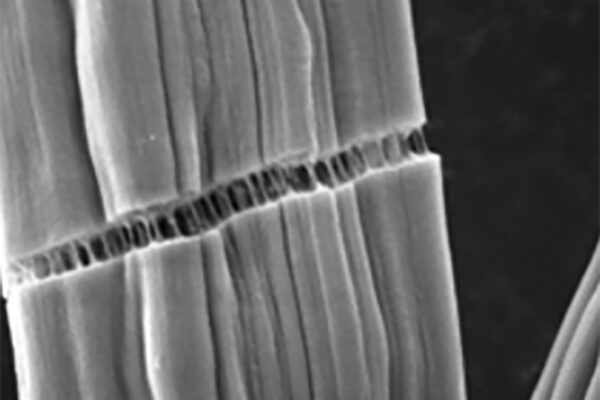
Clearing the way for renewable carbon fiber production
Researchers at the McKelvey School of Engineering developed a process to use waste materials in the production of carbon fiber, a key step to more sustainable manufacturing and stronger material design.
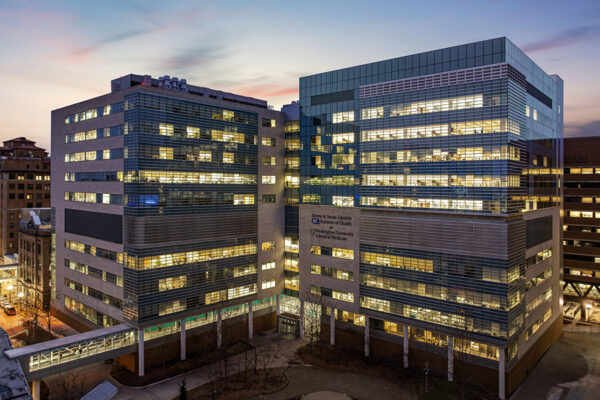
Vertical expansion of research facility earns LEED Silver certification
The Steven & Susan Lipstein BJC Institute of Health building at WashU Medicine was recognized for its sustainable design and sustainability features.
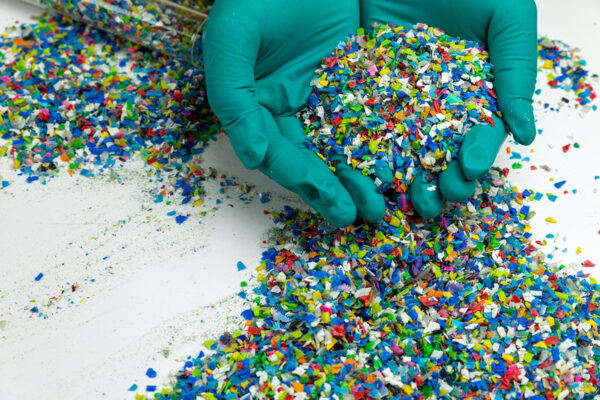
Mixed plastic waste target of upcycling process to cut waste, emissions
WashU chemical engineers will tackle plastic upcycling with a U.S. Department of Energy grant.
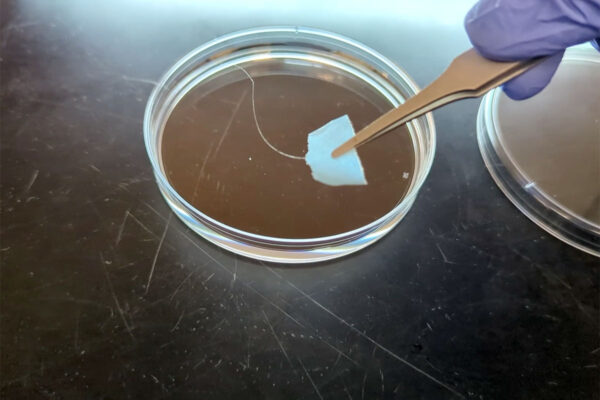
Synthetic biology leads to recyclable textiles
Chemical engineers at WashU developed recyclable protein fibers that can be dissolved and remade without compromising their original strength and properties.
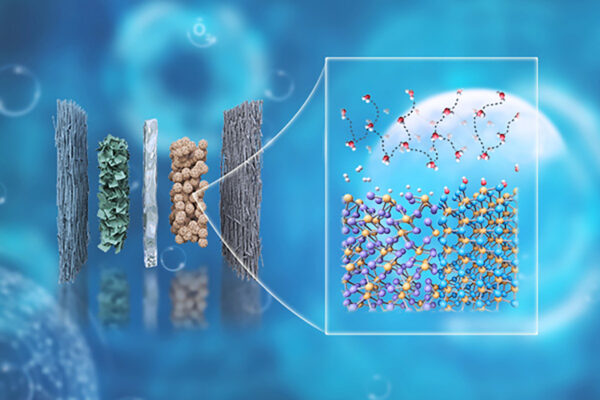
WashU researchers use efficient method to split hydrogen from water for energy
WashU researchers have designed a new catalyst to extract hydrogen, a valuable yet low-cost source of zero-emissions fuel.

Putting the ‘forever’ in Forest Park
Forest Park habitat restoration efforts have paid off. Surveys of bird species reveal increases in biodiversity over decades in the urban wildlife area located in the heart of St. Louis, according to new research from scientists with the Living Earth Collaborative.

WashU scientists join 40-year study tracking changing tropical forests
WashU Arts & Sciences biologists Toby Pennington and Jonathan Myers contributed to an ambitious study on South America’s tropical forests, revealing important shifts in biodiversity.

A clear view to better batteries
Engineering researchers at WashU are providing guidance and maps to improve the performance and safety of lithium-ion batteries.
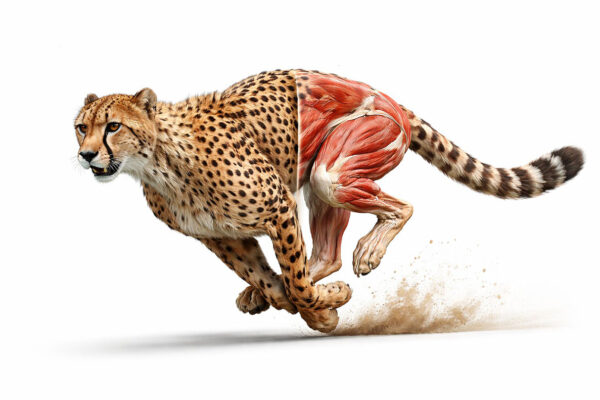
Putting some ‘muscle’ into material design
Researchers at Washington University in St. Louis have developed muscle-inspired fiber materials for use in textiles, foods and biomedical applications.
Older Stories