In Brief
- The United States has lost its measles elimination status after more than 25 years.
- Missouri’s declining childhood vaccination rates leave communities increasingly vulnerable to outbreaks.
- WashU public health expert Jennifer Layden explains the risks, importance of vaccination and steps needed to restore protection.
For more than 25 years, the United States had achieved something remarkable: It had eliminated the continuous spread of measles, a highly contagious airborne virus that, before vaccines were available, infected almost 5 million people a year, leading to deaths and severe complications in some cases. Now, that progress has been reversed.
The Pan American Health Organization announced Nov. 17 that the United States had lost its measles elimination status after the same viral strain circulated uninterrupted for 12 consecutive months. The reversal comes amid declining childhood vaccination rates and outbreaks that have exposed growing gaps in community protection.
How does a country lose control of a disease it already knows how to prevent? And what does the return of measles mean for families, communities and health systems?

Jennifer Layden, MD, PhD, associate dean for practice and professor at Washington University in St. Louis’ Bursky School of Public Health, brings firsthand experience to those questions. An infectious diseases physician and epidemiologist, Layden previously served as Illinois’ state epidemiologist and chief medical officer, overseeing responses to measles outbreaks and providing scientific leadership to the state’s immunization program. She also led Chicago’s COVID-19 response and spent five years at the U.S. Centers for Disease Control and Prevention, where she worked on a range of outbreaks and vaccine-related efforts.
Layden discusses what the loss of elimination status means, why Missouri communities may be particularly vulnerable and what it will take to restore protection against a disease once considered under control.
What does losing measles elimination status mean, and how did the U.S. get here?
Losing measles elimination status means that we need to worry about the disease here in the United States. Ten to 15 years ago, we had very few cases, and most clinicians had never seen the disease. When we talk about a disease such as measles being eliminated from our country, we mean that the pathogen is essentially no longer spreading in the community. Reaching that milestone takes enormous effort and the collective will of many — clinicians, health systems, families, policymakers and schools, among others. For measles, we reached elimination status because of widespread vaccination. We lost this status because we have seen a drop in the number of children receiving the highly effective vaccine. When fewer individuals are vaccinated, the virus has the opportunity to spread. We lose the protective shield, or bubble, that protects us collectively as a population. Think of a team defending against a soccer goal. When the team has all 11 players working to stop a goal, there is a higher probability of success than when there are only nine players on the field. Our collective ability to defend against measles is down.
What are the risks, particularly for children and vulnerable populations?
Measles can be a severe disease. Currently, about 11% of cases require hospitalization, some individuals develop long-term consequences, and unfortunately, we have seen deaths from this preventable infection in recent years. Those most at risk include unvaccinated individuals, particularly children younger than 1, who do not receive their first vaccine dose until 12 months of age. Because the virus is so contagious, if an unvaccinated individual comes into contact with someone who has measles, even if the infected person does not show symptoms, there is a high likelihood they will become sick. Even those who are vaccinated face some risk, particularly if they have weakened immune systems or are pregnant. While the vaccine is highly protective, preventing measles in about 97% of people who receive two doses, we do see vaccinated individuals who develop measles.
Missouri’s kindergarten MMR vaccination rate fell from 94.6% in 2019 to 89.5% in 2025. How does that increase the risk of outbreaks, and what role does herd immunity play in protecting communities?
Low vaccination coverage across Missouri creates risks for our communities. There are counties where the rates are even lower, putting those communities at even greater risk. To best protect a community against the spread of measles, vaccine coverage needs to be 95% or higher. Below that threshold, the virus can spread more easily. Instead of having a highly protective shield, or bubble, that blocks the virus from entering, we now have a shield with holes in it. Our collective defense against the virus is weakened.
What should people do to protect themselves and their families?
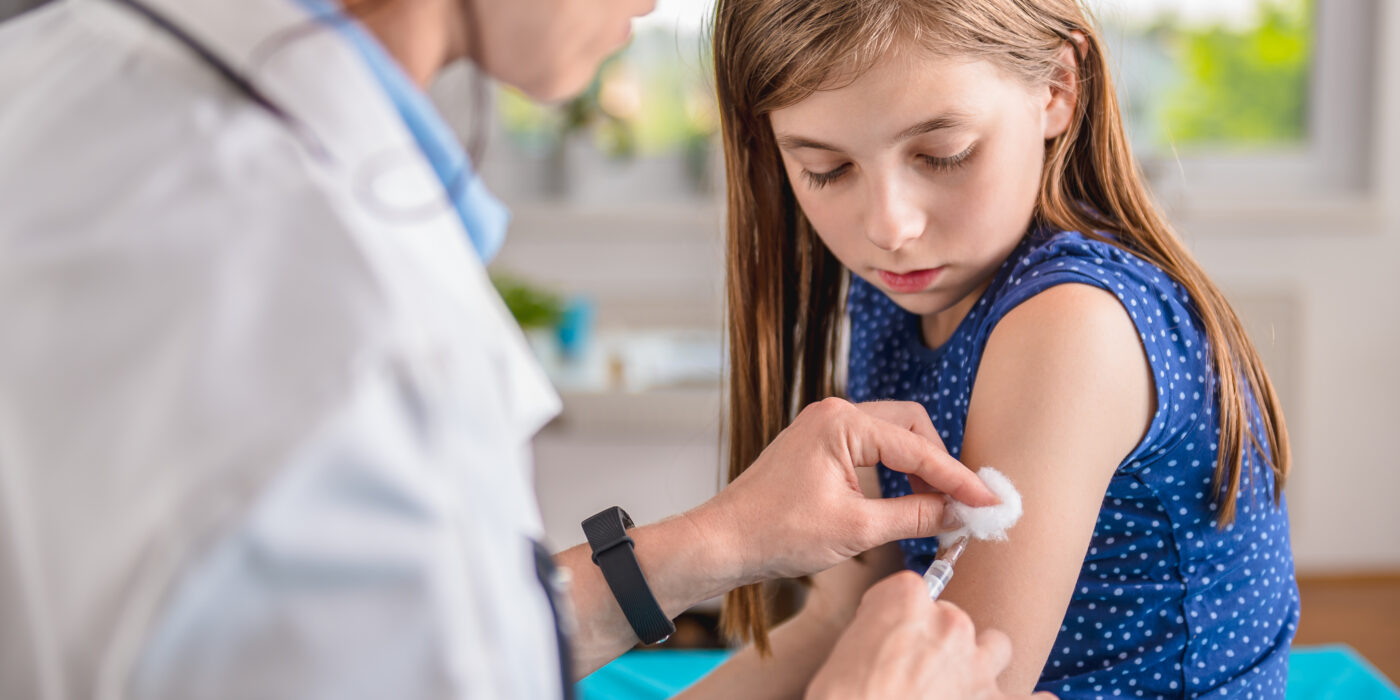
The single most important thing that individuals and families can do is to get vaccinated. For children, the first dose is given at 12 months, with the second typically between ages 4 and 6. Parents and guardians should talk to their healthcare providers to ensure their children are up to date. Fortunately, most adults have been vaccinated or are protected because of past infection. However, if you are unsure, particularly if you have underlying health conditions or work in a healthcare setting, you can ask your provider if you need another dose. There are ways to determine whether you are protected, and your provider can best guide you on that decision.
I would also recommend that people stay informed about areas experiencing high rates of infection. There are places in our country, like parts of Pennsylvania, where the virus is spreading rapidly. If you are particularly vulnerable, unvaccinated or have a young child, it is wise to be aware of such risks.
What happens when someone with measles enters a school, hospital or other public setting?
When a case of measles occurs in a setting such as a school or hospital, extensive measures are taken to prevent others from getting sick. We know that one case can infect up to 18 susceptible individuals, and that can quickly snowball into more cases. The goal is to stop the spread of the virus. Efforts include identifying those who were exposed and determining which of them are unvaccinated. Because unvaccinated individuals are highly likely to develop measles after exposure, steps are taken to prevent them from potentially spreading the virus to others.
What will it take to regain elimination status?
Regaining elimination status will take a team effort. The most effective approach is to increase our vaccination coverage, and that starts with ensuring children are vaccinated on schedule. This will require collaboration among health systems, clinicians, public health experts and families. Given the lack of trust and confusion surrounding vaccine safety, dedicated efforts by trusted local individuals will be important. Starting in areas with the lowest vaccination coverage will have the greatest impact. It will also require education and training for health-care providers to ensure they know what measles looks like, how to test for it and how to report it to public health authorities.