In Brief
- Widespread measles vaccination has diminished public awareness of the disease’s dangers.
- Vaccination rates of about 95% are needed to prevent sustained community spread of measles.
- Regaining measles elimination status in the U.S. will require rebuilding public trust, strengthening political commitment and ensuring equitable vaccine access.
Two decades ago, when Catherine “Catie” Oldenburg began her career in public health, measles was among the world’s leading causes of childhood death. The toll was especially devastating in Africa, where much of her research has focused on preventing childhood deaths from infectious diseases.
Today, the picture is dramatically different. Widespread vaccination campaigns have driven down measles deaths around the world, transforming a once-common childhood threat into a disease many Americans have never encountered.
That success has created a paradox: The less people see of measles, the easier it becomes to underestimate its dangers.
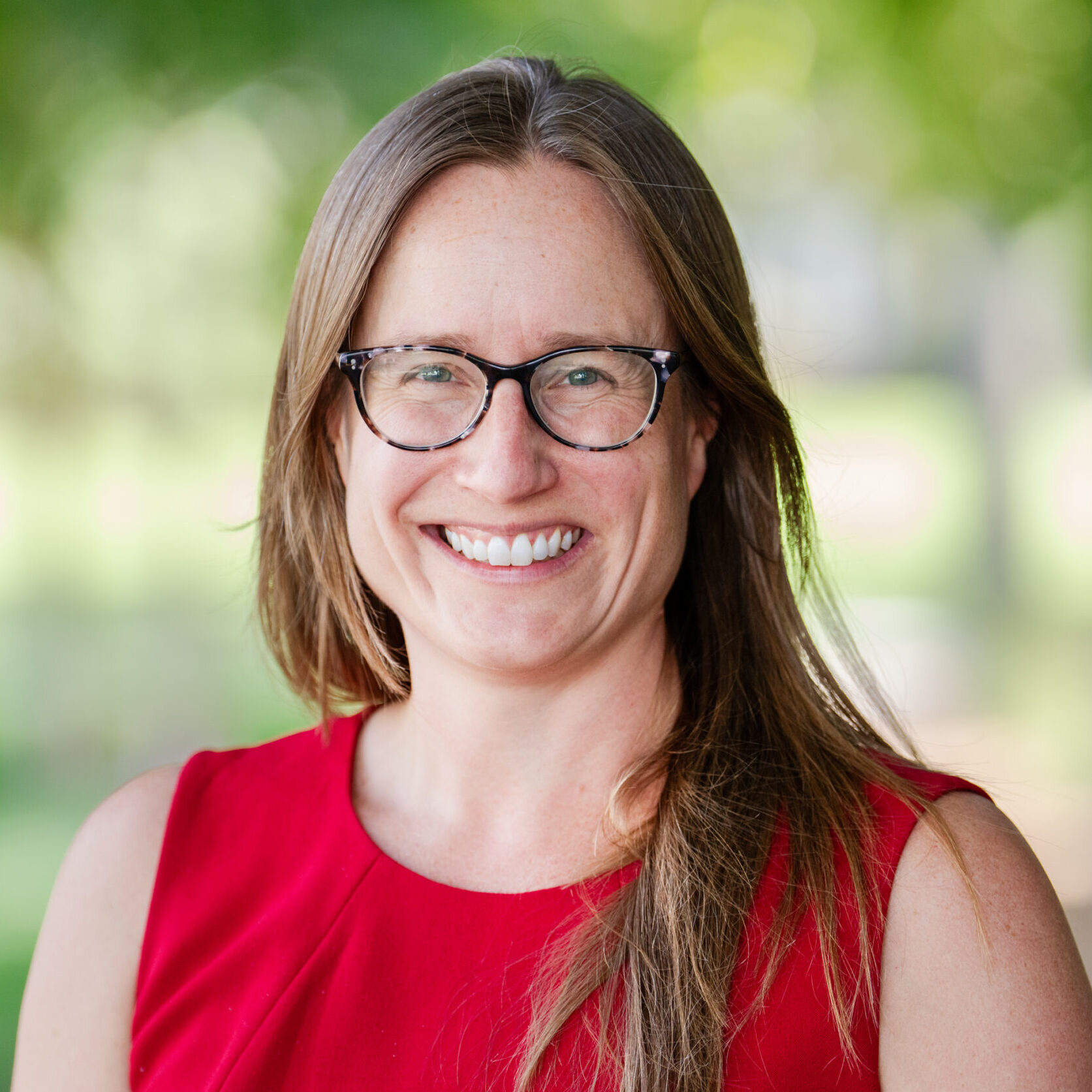
Oldenburg, an infectious disease epidemiologist and associate dean for research at Washington University in St. Louis’ Bursky School of Public Health, specializes in infectious disease prevention and elimination. Previously a researcher at the University of California, San Francisco, her work has included efforts to eliminate trachoma, an infectious eye disease, in Ethiopia and Niger, as well as prevention of child mortality and malnutrition in Burkina Faso.
With measles once again spreading in the United States, Oldenburg reflects on what decades of vaccination have accomplished — and what could be lost if those gains are taken for granted.
When you began your career, measles was a leading cause of childhood death worldwide. What was its impact in the communities you worked with, and how has that changed?
Measles vaccines have been around since the 1960s, but vaccination campaigns did not become widespread in much of sub-Saharan Africa until the early 2000s. Measles epidemics were relatively common, and there were hundreds of thousands of measles deaths every year. Measles was the most common cause of preventable blindness in children, especially in children with low vitamin A. Today, measles deaths are uncommon.
How has widespread vaccination changed the way people perceive the dangers of measles?
When public health is working as it should, we often don’t really see it. Vaccination campaigns have been incredibly successful, and so today we don’t see the dangers of measles and how harmful it can be. We call this the ‘paradox of prevention’ in public health; most people have not seen how devastating measles can be, and so we’ve lost that collective memory.
What made vaccination campaigns so successful in reducing measles deaths, particularly in Africa, and what can we learn from them?
A highly effective and safe vaccine, coupled with strong political commitment to the elimination of measles, community trust building and ensuring people have access via mass vaccination campaigns and mobile clinics in communities contributed to the success. What we can learn is that the vaccine itself is not enough — we need strong political will and community trust to be successful.
From a scientific perspective, why is measles so hard to control when vaccination rates fall? What makes achieving and sustaining elimination so challenging?
Measles is the most transmissible infection in humans. We need about 95% of the population to be vaccinated to remove the risk of ongoing spread of measles in a community. Measles can also linger in the air for up to two hours, and people can be contagious before they are symptomatic, which can make it more difficult to control.
As the United States loses its measles elimination status, what lessons can we draw from decades of global progress?
Regaining our measles elimination status is possible, but it will take strong commitment from governments, healthcare and communities to do so. It will require rebuilding community trust, political will, accurate and accessible public health messaging and equitable vaccine access.