Circadian clock protein linked to brain aging, neurodegenerative disease
WashU Medicine researchers led by Erik Musiek, MD, PhD, discovered in mice that inhibition of a protein that controls the daily cycling of metabolism and inflammation decreases neurodegeneration in Alzheimer’s disease.
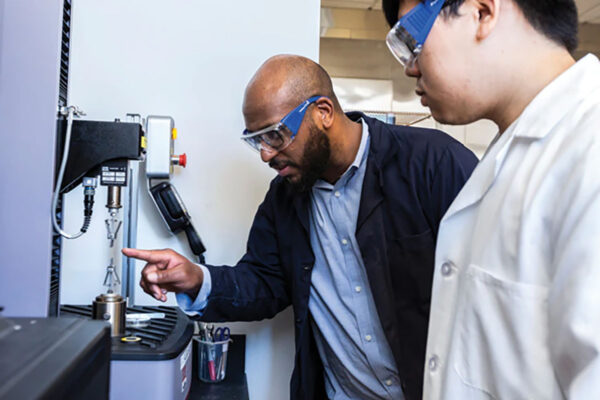
Strengthening soy for better bioplastics
Researchers at Washington University in St. Louis are using surface chemistry to improve the strength of soy and cellulose-based biomaterials.
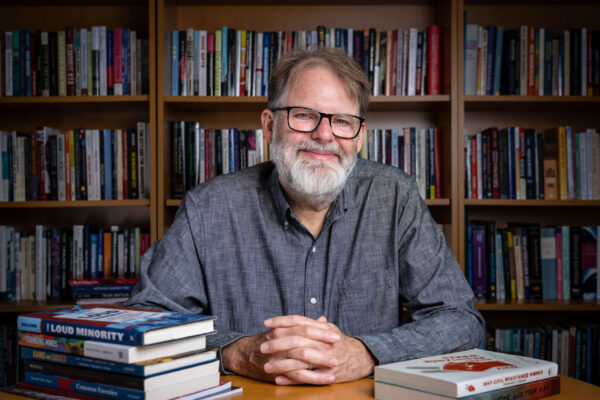
Kenneth Andrews
The past two decades have been marked by unprecedented levels of activism in the U.S., with no signs of slowing down. Historically based research by Kenneth “Andy” Andrews, the Tileston Professor of Arts & Sciences at Washington University in St. Louis, offers insights into how social movements can achieve lasting change.

Emergency communication test Oct. 7
The university plans to test WashU Alerts, its emergency communication system, at 8:55 a.m. Tuesday, Oct. 7. The test will encompass all WashU Alert modes.
Light as data and power source
WashU electrical engineer Mark Lawrence has received a prestigious CAREER Award from the National Science Foundation. He aims to develop sensors and cameras powered by taking advantage of the properties of light.
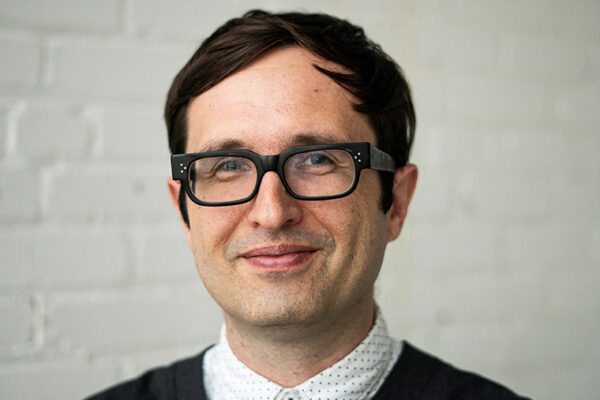
Witt named inaugural Kavita and Krishna Bharat Professor
The Sam Fox School of Design & Visual Arts at Washington University in St. Louis has named Andrew Witt the inaugural Kavita and Krishna Bharat Professor, a role that focuses on the intersection of artificial intelligence with art, architecture and design, effective Jan. 1. The professorship includes a joint appointment at the McKelvey School of Engineering.
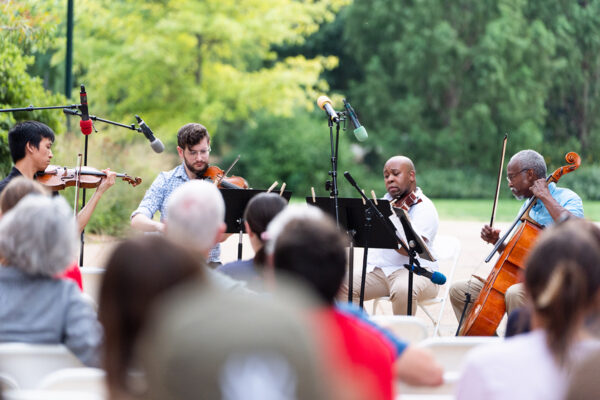
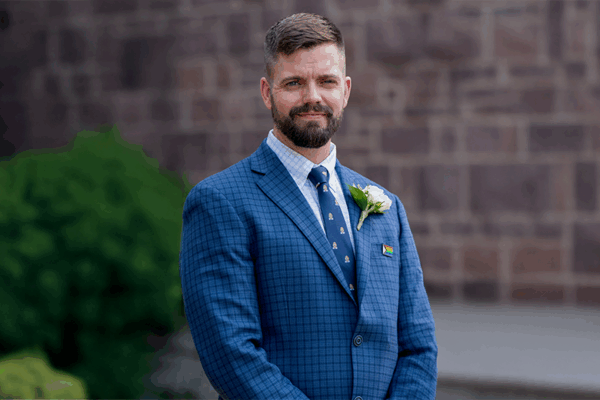
Brown School establishes practicum award honoring Goldbach’s legacy
The Brown School at Washington University in St. Louis is raising funds to create a practicum award honoring Jeremy T. Goldbach, a faculty member and nationally recognized scholar on LGBTQ+ mental health who died of cancer in June at age 42.
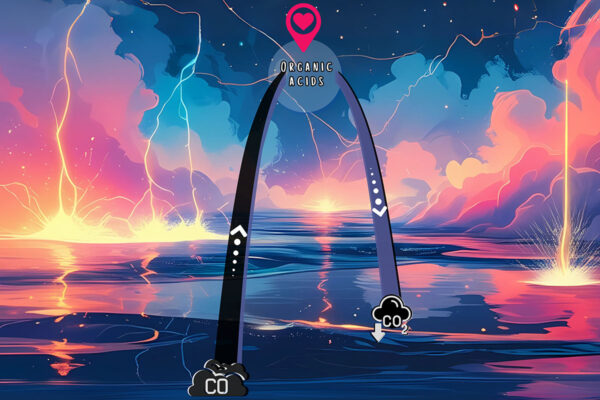
Plasma: The fourth state of matter drives sustainable carbon upcycling
Researchers at Washington University in St. Louis are developing ways to convert carbon monoxide into organic acids useful for industry.

Dai receives $200,000 grant from Alzheimer’s Association
A scientist at Washington University in St. Louis has received a grant from the Alzheimer’s Association to support his research investigating the electrochemistry of neurotoxic protein assemblies.
View More Stories