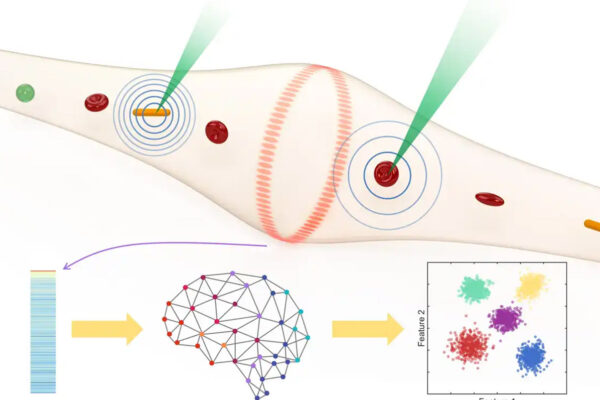
New sensor detects, classifies freely flowing particles without labels
WashU McKelvey Engineering’s Lan Yang and her team have developed a new sensing technique to detect nanoparticles.
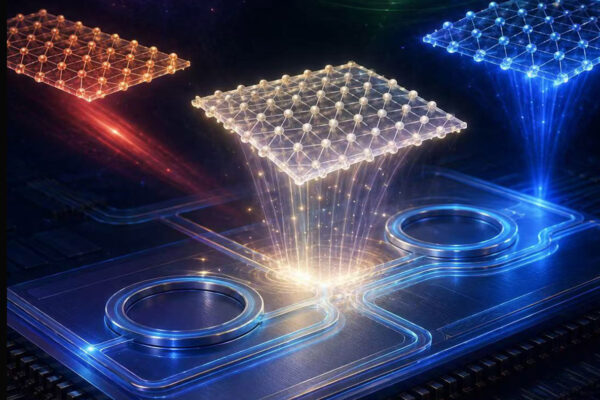
New building blocks expand functions of photonic chips
McKelvey Engineering researchers Sang-Hoon Bae and Lan Yang collaborated to establish a framework for heterogeneous integrated photonic chips, enabling multiple functions on a single chip with greater freedom to combine materials and design devices.
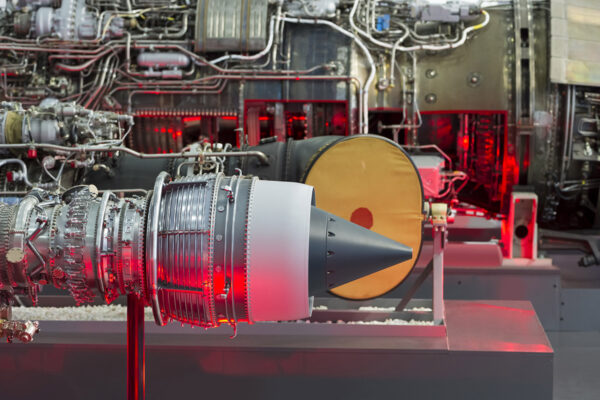
WashU-led team wins $4M DARPA grant to improve fuel injector design
Research led by WashU McKelvey Engineering’s James Friend aims to crack the code of atomization for future aircraft engines.
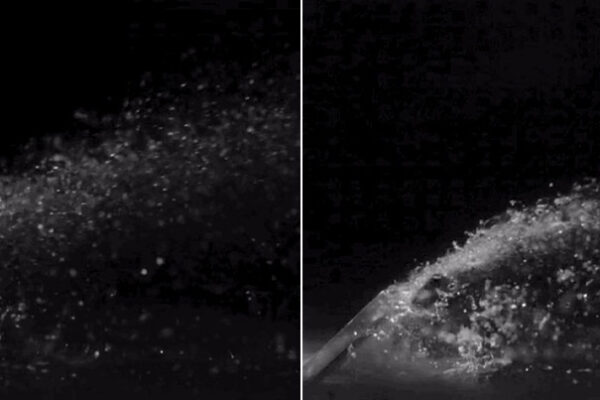
Ultrasound-fueled vapor may be key to fueling detonation-based propulsion engines
Mechanical engineers in James Friend’s lab at WashU McKelvey Engineering received a grant to use ultrasound to make fuel droplets smaller, overcoming some of the challenges of detonation-based propulsion engines.
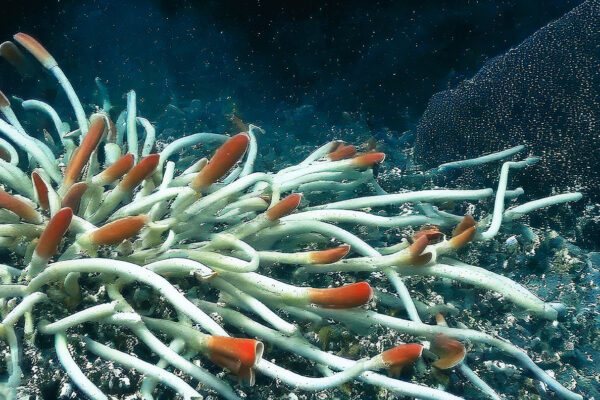
Get by with a little help from (old) friends
WashU researchers found evidence for chemosymbiotic relationships between animals and microbes emerging prior to the Cambrian explosion.
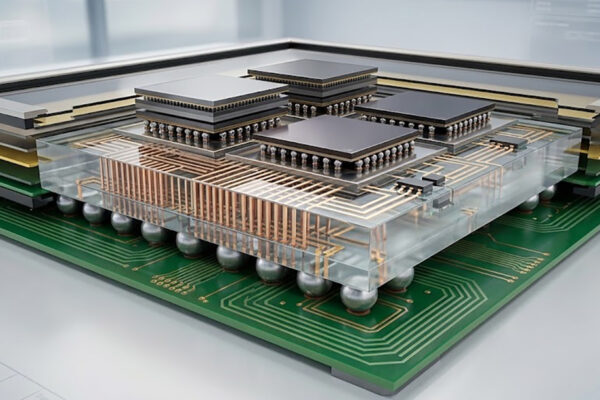
Activating glass for next-generation semiconductor substrates
WashU’s Sang-Hoon Bae plans to use glass to grow 2D crystals with a National Science Foundation CAREER Award.
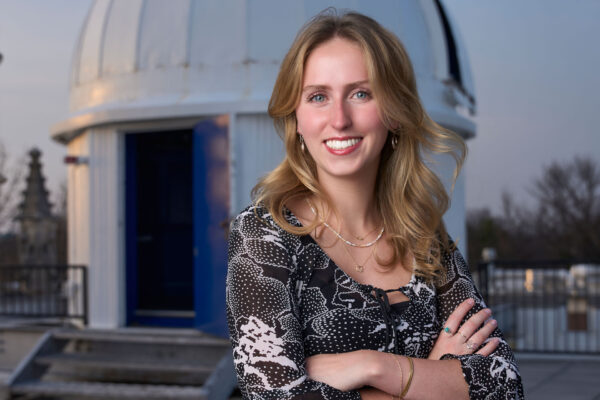
Class Acts: Izzy Caffarelli
Isabella Caffarelli, a senior majoring in applied mathematics and minoring in astrophysics in Arts & Sciences, is looking forward to a new research challenge after she graduates from WashU: helping brain scientists use advanced algorithms to sort and understand neurological data in a cleaner, more coherent way.
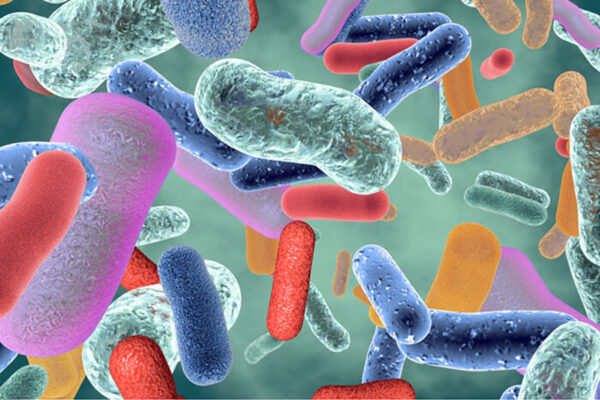
Finding predictability in the teeming world of bacteria
WashU Arts & Sciences researchers clarify when complexity enables prediction in microbial systems.
Ghostly particles: Is dark radiation masquerading as neutrinos?
New research suggests that neutrinos in the early universe may have transformed into a previously unknown form of radiation. A study led by physicist Bhupal Dev in WashU Arts & Sciences offers a new way to explain certain puzzling observations.
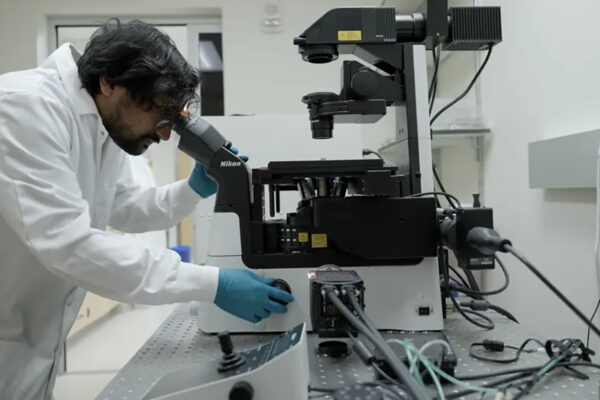
WashU researchers use quantum biosensors to peer into cells’ inner workings
A team including scientists from the WashU Center for Quantum Leaps has harnessed nanodiamonds to take quantum readings of mitochondria. The work could reveal insights about cellular metabolism in health and disease.
Older Stories