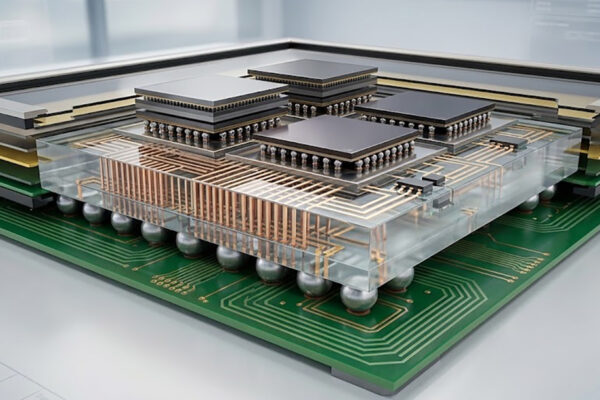
Activating glass for next-generation semiconductor substrates
WashU’s Sang-Hoon Bae plans to use glass to grow 2D crystals with a National Science Foundation CAREER Award.
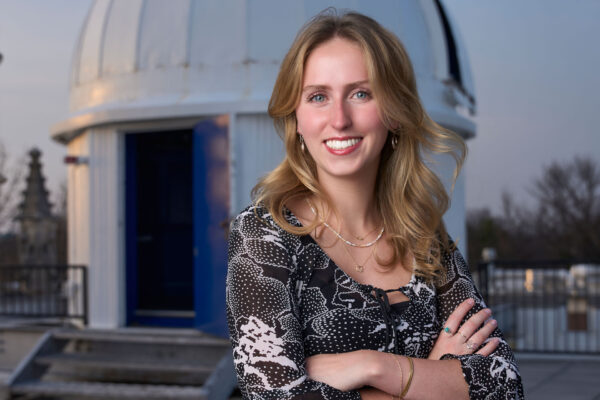
Class Acts: Izzy Caffarelli
Isabella Caffarelli, a senior majoring in applied mathematics and minoring in astrophysics in Arts & Sciences, is looking forward to a new research challenge after she graduates from WashU: helping brain scientists use advanced algorithms to sort and understand neurological data in a cleaner, more coherent way.
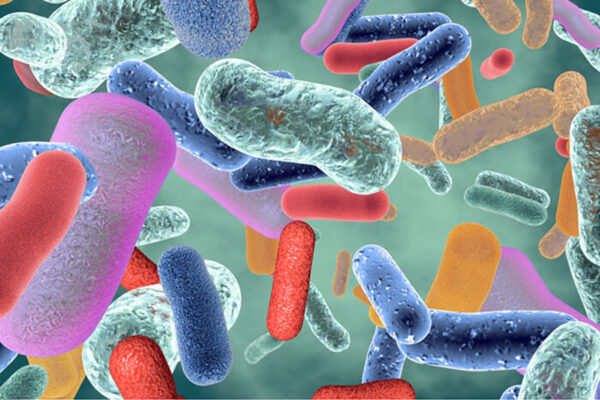
Finding predictability in the teeming world of bacteria
WashU Arts & Sciences researchers clarify when complexity enables prediction in microbial systems.
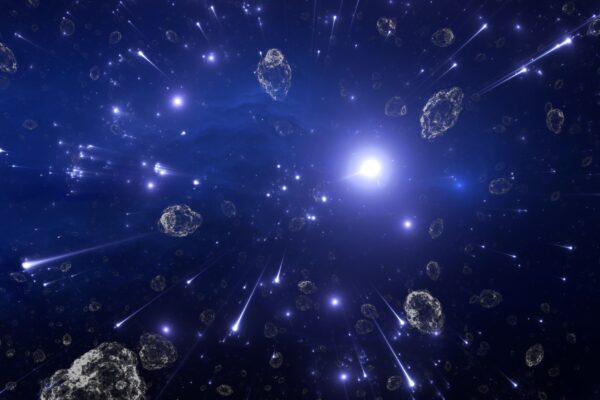
Ghostly particles: Is dark radiation masquerading as neutrinos?
New research suggests that neutrinos in the early universe may have transformed into a previously unknown form of radiation. A study led by physicist Bhupal Dev in WashU Arts & Sciences offers a new way to explain certain puzzling observations.
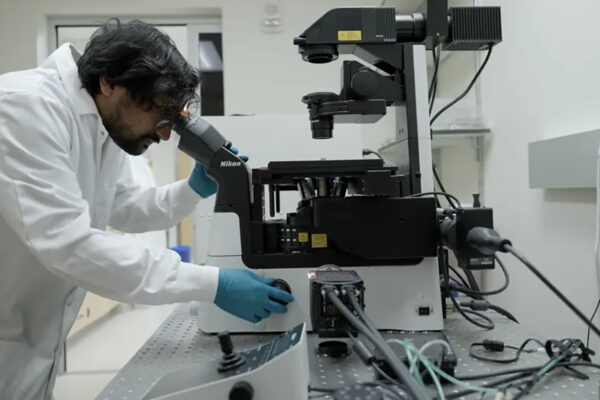
WashU researchers use quantum biosensors to peer into cells’ inner workings
A team including scientists from the WashU Center for Quantum Leaps has harnessed nanodiamonds to take quantum readings of mitochondria. The work could reveal insights about cellular metabolism in health and disease.
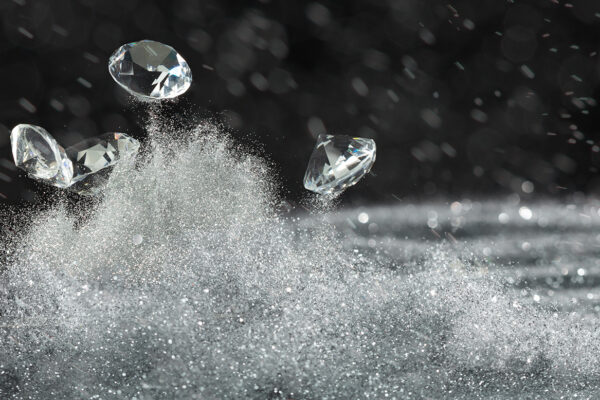
Diamonds are not a geoengineer’s best friend
Researchers at Washington University in St. Louis have found that diamond dust is not a suitable particle for stratospheric aerosol injection that could cool the Earth.
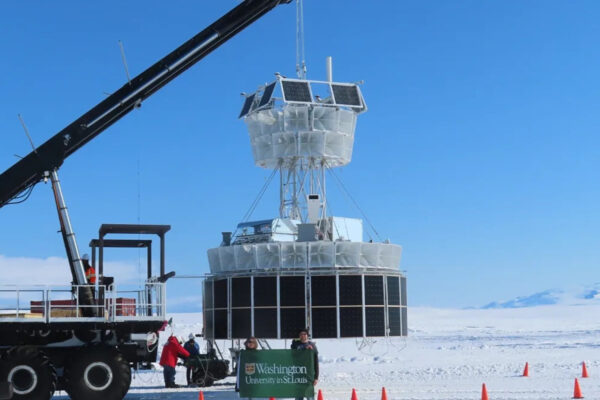
PUEO’s Antarctic flight advances neutrino research
WashU researchers will be looking over data about high-energy neutrinos, retrieved during a balloon flight over Antarctica in January.
Krawczynski wins prestigious award from the American Astronomical Society
Henric Krawczynski, a physicist at Washington University in St. Louis, has received the prestigious 2026 Bruno Rossi Prize in astrophysics.
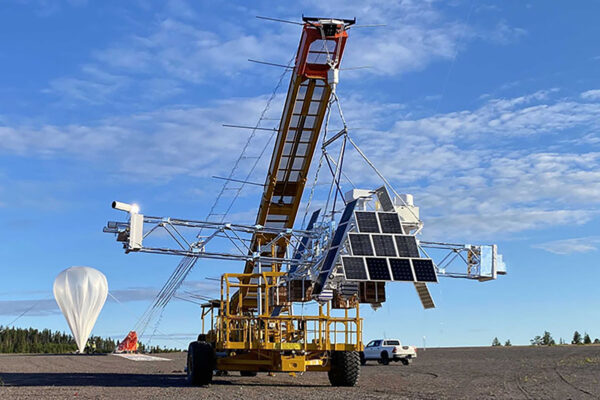
A new angle of study for unveiling black hole secrets
Physicists from Washington University in St. Louis share results from an international collaboration for measuring the hard X-ray polarization from the black hole Cygnus X-1.
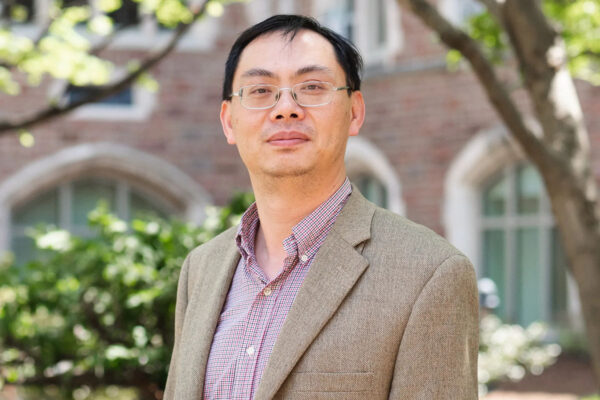
Yang honored with American Physical Society fellowship
Li Yang, the Albert Gordon Hill Professor of Physics at WashU, has been named a 2025 fellow of the American Physical Society.
Older Stories