Researchers at the Center for Social Development (CSD) in the Brown School at Washington University in St. Louis are launching a new initiative to help shape the future of wealth-building policy in the United States, with a focus on giving children stronger financial foundations that can last a lifetime.
Supported by Prudential Financial, the two-year project will assess the nation’s early childhood wealth-building policies; identify gaps between current programs and research-based best practices; and develop practical tools to help policymakers design more effective initiatives.
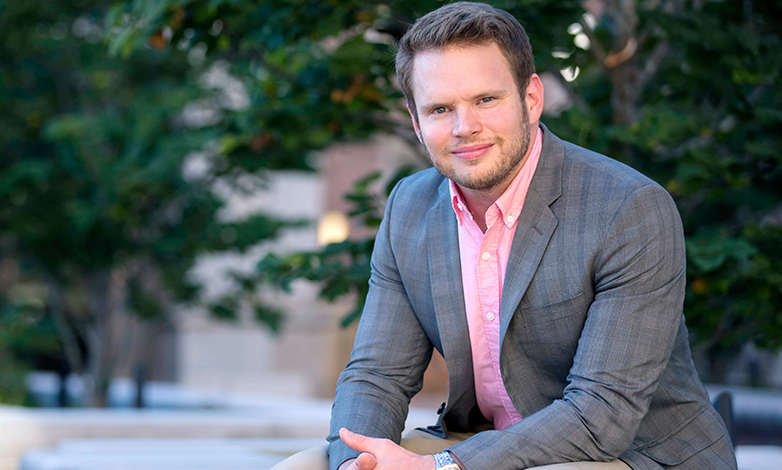
“Our vision is to create an effective, evidence-based continuum of wealth-building opportunities from birth to retirement,” said Stephen Roll, an assistant professor at the Brown School and research director at CSD. “If we could develop the right set of policies that help create wealth for everyone at every stage of their life, and if we could provide the right incentives to participate, that could actually help address issues ranging from wealth inequality to the retirement savings crisis to the critical lack of emergency savings millions of families experience.”
The work is the first major collaborative project bringing together researchers from CSD and the former Social Policy Institute following the integration of the two Brown School teams.
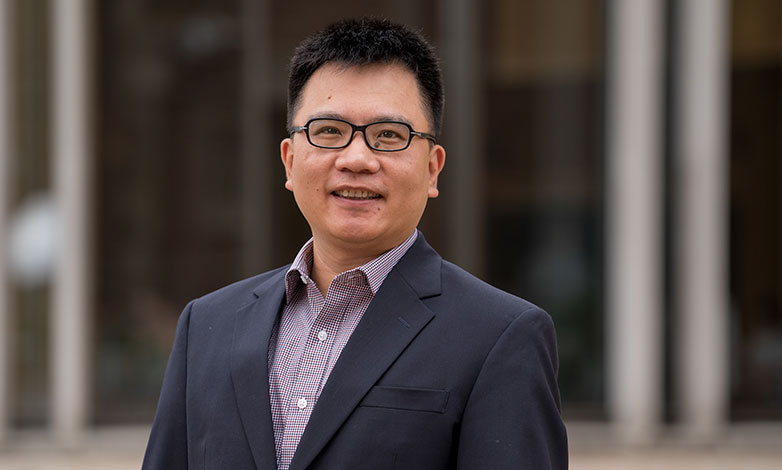
The project builds on the CSD’s years of research while creating a roadmap for the next generation of wealth-building policies, said Jin Huang, the Irving Louis Horowitz Professor in Social Policy at the Brown School and co-director of CSD.
“For more than three decades, CSD has helped shape the policy vision, build the evidence base, and advance the design and diffusion of lifelong and universal asset-building policies that enable families to build wealth and improve long-term financial security,” he said.
Why focus on early childhood?
The project builds on CSD’s long-standing leadership in child development accounts, child savings accounts and other early childhood asset-building strategies, Roll said. While his previous Prudential-supported research focused on retirement savings and the federal Secure 2.0 Act, the new initiative broadens that work to examine how wealth-building policies can be connected throughout a person’s life.
Research from CSD and others indicates early childhood offers the greatest opportunity for long-term impact.
“If you just think about this in terms of the biggest impact of a dollar, giving $1,000 to a child at birth is going to be much more impactful than giving, say, a 45-year-old $1,000,” Roll said. “You have so much more time for it to build. It also gives you more opportunities earlier in life to actually use those funds.”
By early adulthood, he said, those savings could help finance higher education, launch a small business or provide the foundation for a future down payment on a home.
“The idea here is to start with that and really take a step back as researchers and as a field to take stock of the entire landscape of early wealth-building policies in the U.S.,” Roll said. “The field has done very good work over the last 30 years. Now we need to think about an integrated, holistic and strategic plan to actually improve and optimize these programs moving forward.”
What will the project accomplish?
Over the next two years, the research team will develop an assessment tool that policymakers and practitioners can use to evaluate the strengths and weaknesses of early childhood wealth-building policies and identify opportunities for improvement.
The project also will examine implementation of the new federal “Trump Accounts” program, identifying ways the policy could better support children’s long-term financial well-being. Among the questions researchers will explore are how enrollment processes and other program features could be designed to maximize participation and long-term impact.
The project will culminate in a national convening of researchers, policymakers and practitioners to share findings and discuss future directions for early childhood wealth-building policy.
Roll said he hopes the nation’s growing interest in children’s wealth-building policies continues well beyond the current moment.
“My hope is that policymakers recognize the potential of this approach and continue to refine and expand the program to increase the opportunities these kids have once they hit adulthood,” he said. “What we’re trying to do is keep these programs at the forefront of policy discussions, because I think they have incredible potential to change the economic futures of families and their children.”