
Rosa-Molinar receives dual honors from scientific societies
Eduardo Rosa-Molinar, a professor of cell biology and physiology and of neuroscience at WashU Medicine, was recognized by the American Society for Cell Biology and the Histochemical Society for exceptional research and mentorship in imaging science.

Board grants faculty tenure, promotions
At the Washington University in St. Louis Board of Trustees meeting Sept. 25, several faculty members in Arts & Sciences and at WashU Medicine were promoted or granted tenure, effective that day.

Stone awarded $3.7 million to study rare metabolic disorder
Stephen Stone, MD, an assistant professor of pediatrics at WashU Medicine, was awarded a $3.7 million grant from the National Institutes of Health (NIH) to study a genetic condition that causes the body to lose fat in different regions of the body. The disease causes severe insulin resistance, diabetes and high cholesterol.

NIH grant supports study of gut microbes and blood cell production
A collaboration led by WashU Medicine infectious diseases researcher Megan Baldridge, MD, PhD, could lead to new options for vulnerable patients to maintain healthy blood counts.

New discovery may point to clues about how head and neck cancers spread
WashU Medicine faculty and research members of Siteman Cancer Center have identified a previously unknown population of aggressive tumor cells in difficult-to-treat head and neck cancers.
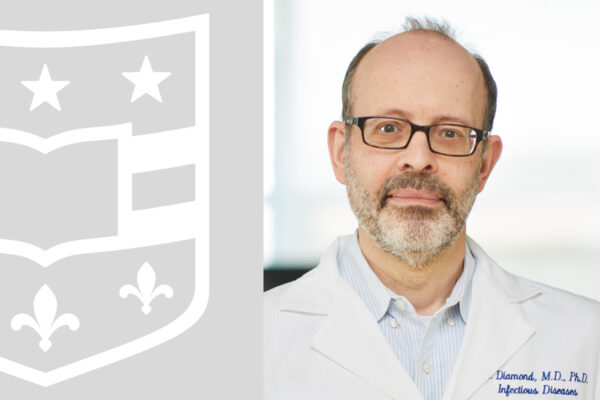
Prize supports hunt for broad-spectrum antivirals
WashU Medicine infectious diseases expert Michael Diamond, MD, PhD, has won a $2.5 million prize to advance the development of drugs to treat debilitating chikungunya and related viruses.

WashU Medicine names new chair of pediatrics
A nationally recognized pediatric endocrinologist, Madhusmita Misra, MD, pioneered research on bone density and metabolic disorders in young women. Her appointment begins Jan. 4.
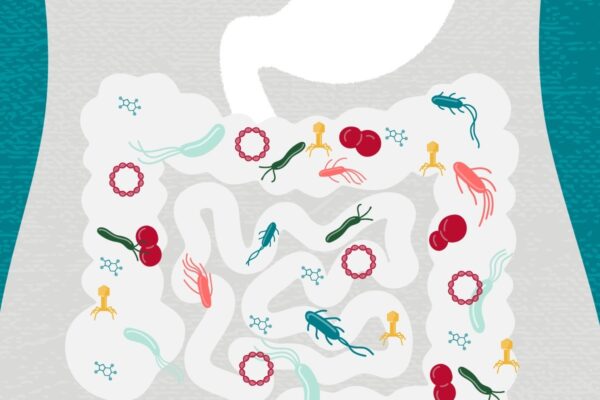
$11 million grant to investigate why resident microbes go rogue
WashU Medicine researchers have been awarded a nearly $11 million grant from the National Institutes of Health (NIH) to decode how gut bacteria turn hostile, leading to dangerous infections.
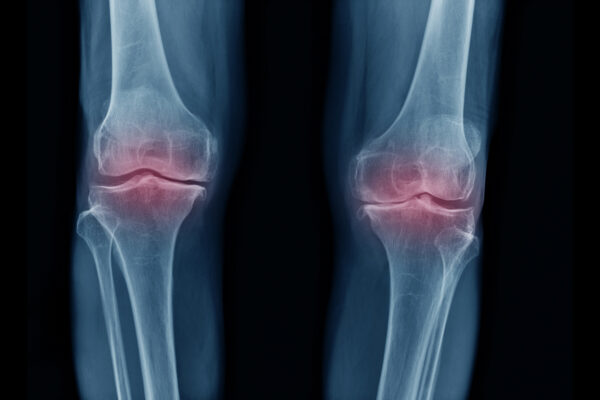
Osteoarthritis therapy study advances with $17 million from ARPA-H
The funding will support a WashU Medicine collaboration with CRISPR Therapeutics and SynGenix, a WashU startup, to move a single-injection treatment to reverse joint damage into clinical trials.
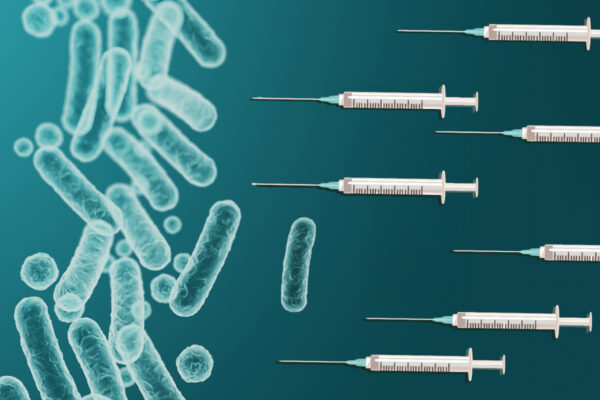
Vaccinating moms protects offspring from deadly superbug
A study in mice by WashU Medicine researchers advances efforts to shield infants from Klebsiella pneumoniae, a dangerous bacterium that causes severe bloodstream infections and is the leading killer of children globally.
View More Stories