
Rogers honored for contributions to neurodevelopment
Cynthia Rogers, the Blanche F. Ittleson Professor of Psychiatry at WashU Medicine, has received the 2025 Joel Elkes Research Award from the American College of Neuropsychopharmacology for her research on early developmental markers of psychiatric risk associated with premature birth.

Built to meet the moment
WashU scholars wrote the textbook on dissemination and implementation and have been building on that expertise ever since. Their work is needed now more than ever.

A welcome instance of hope
Evidence from a small island in Indonesia points to the successful elimination of a parasitic worm that causes a devastating tropical disease.
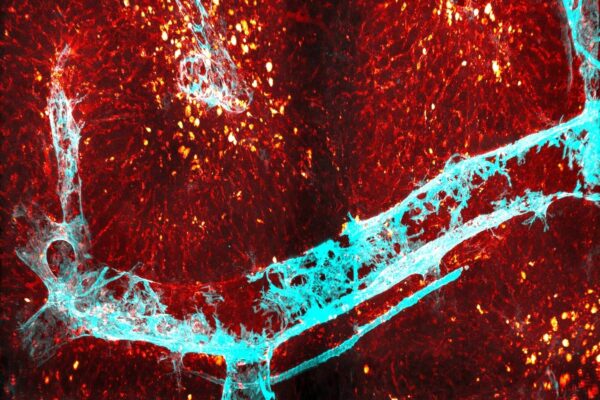
New compound stops common complications after intestinal surgery
WashU Medicine researchers made and tested a new compound in mice that shows promise in protecting the liver from damage and improving nutrient absorption after small bowel resection surgery.
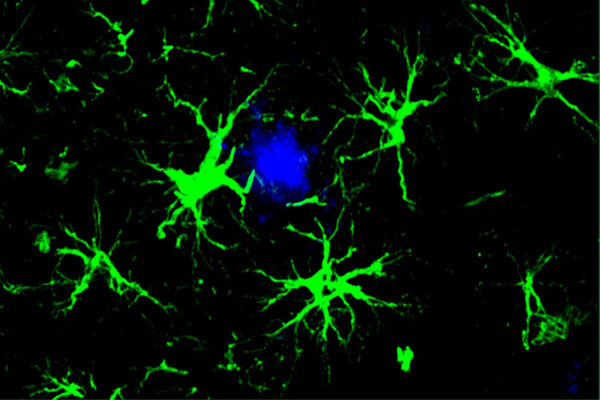
Enhanced brain cells clear away dementia-related proteins
WashU Medicine researchers engineered a new cellular immunotherapy that turns brain cells called astrocytes into super cleaners, efficiently removing amyloid beta plaques from the brains of mice.
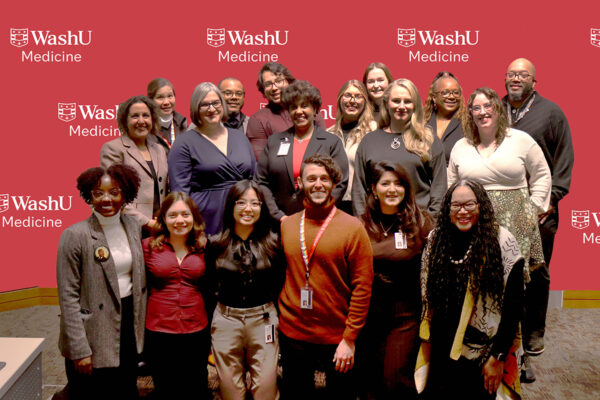
Drum Major Awards recognize faculty, staff, students at WashU Medicine
During WashU Medicine’s 2026 Martin Luther King Jr. Commemoration Week, 22 faculty, staff and students were recognized with Drum Major Awards for embodying King’s work and words.
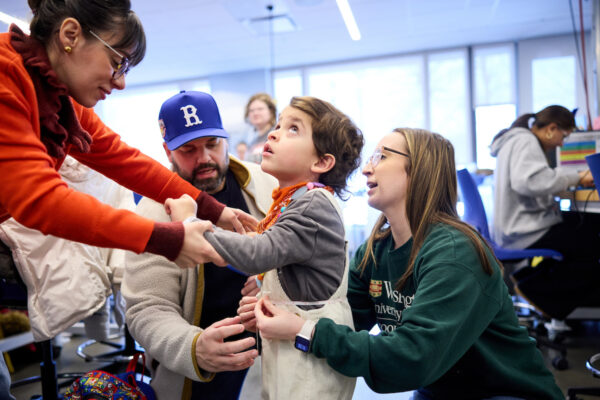
Students’ cross-disciplinary collaboration addresses real-life needs
The annual Assistive Tech Make-a-Thon brings together WashU OT and engineering students to enhance the lives of St. Louisans who have disabilities.
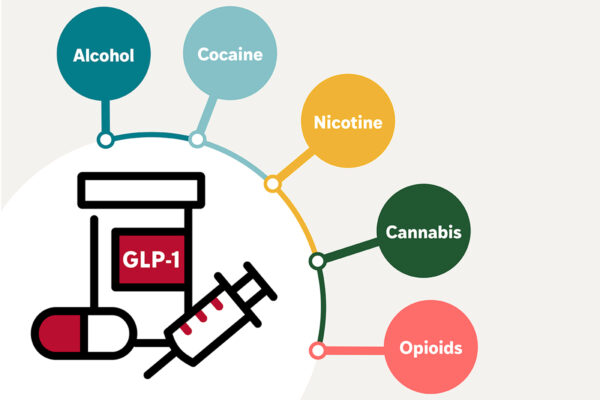
GLP-1 medications get at the heart of addiction: study
WashU Medicine researchers have shown in a new study that GLP-1 medications, typically used for diabetes and weight loss, may be effective at treating and preventing substance use disorders, from alcohol to cigarettes to opioids.
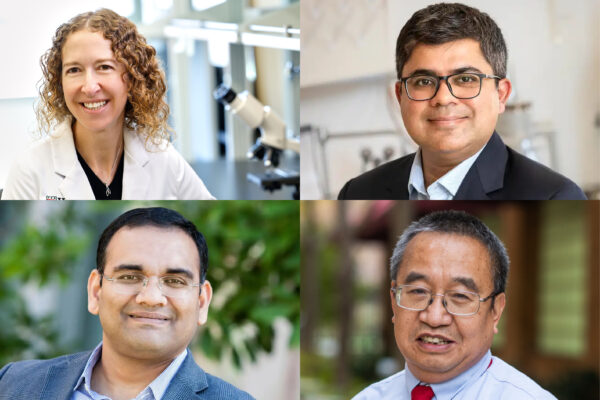
Four named senior members of National Academy of Inventors
Four WashU researchers have been named senior members of the National Academy of Inventors: Rajan Chakrabarty, Vijay Ramani, Christina Stallings and Zhude Tu.
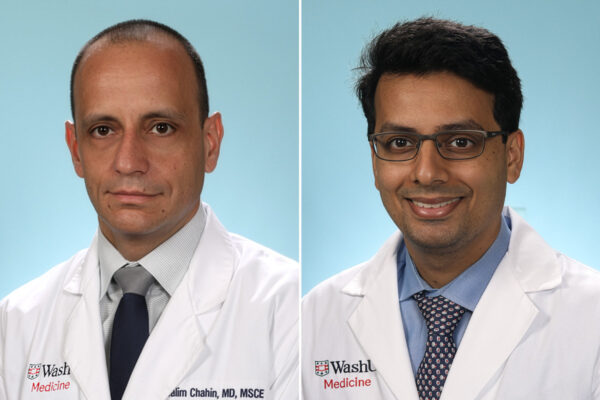
Chahin, Rohatgi named Loeb Teaching Fellows
The 2026-28 Carol B. and Jerome T. Loeb Teaching Fellows at WashU Medicine have been named. They are Salim Chahin, MD (left), an associate professor of neurology, and Ram K. Rohatgi, MD, an assistant professor of pediatrics and of radiology.
View More Stories