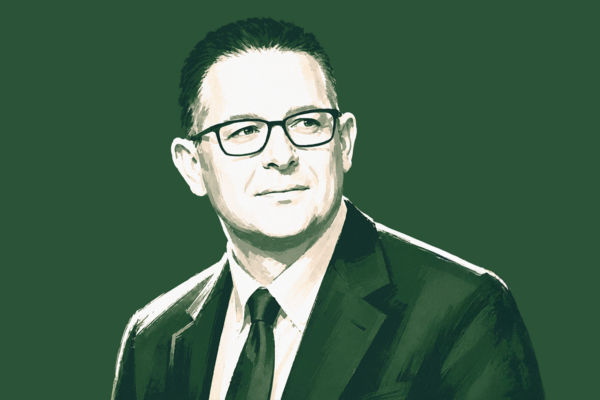
Where AI in healthcare is headed
Philip R. O. Payne, the inaugural chief health AI officer for WashU Medicine and BJC Health, helps explain what artificial intelligence can and can’t do in healthcare and why trust, training and human judgment remain essential.

Iconic illustrator Mary Engelbreit donates collection to WashU Libraries
Beloved illustrator Mary Engelbreit has donated 120 original illustrations and related materials to WashU Libraries. The collection highlights her whimsical style, business acumen and activism and will support research, teaching and a public exhibition planned for July.

How technology is reshaping violence — and what can be done about it
WashU Bursky Public Health researchers examine how digital technology and generative AI are changing violence — and how decades of violence-prevention research can help shape effective responses.

WashU-led team wins $4M DARPA grant to improve fuel injector design
Research led by WashU McKelvey Engineering’s James Friend aims to crack the code of atomization for future aircraft engines.

Book bans limit children’s understanding of themselves and the world
Book bans erase more than stories. They can erase histories and threaten students’ identities, says the Brown School’s Sheretta Butler-Barnes.
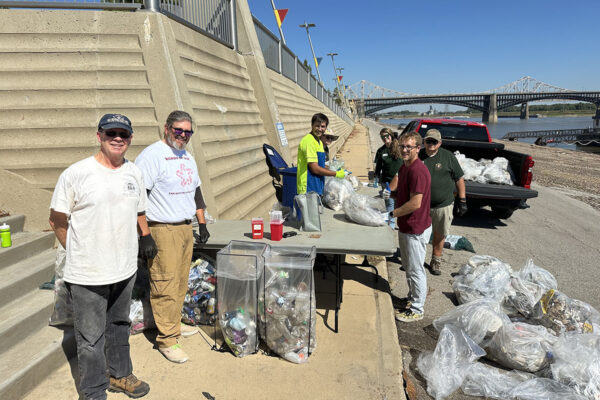
United Way launches annual campaign
The WashU community is encouraged to support the 2026 United Way of Greater St. Louis annual campaign. Launching Oct. 5, the campaign will raise funds to support over 150 local nonprofits and more than 1 million people in the 16-county region.
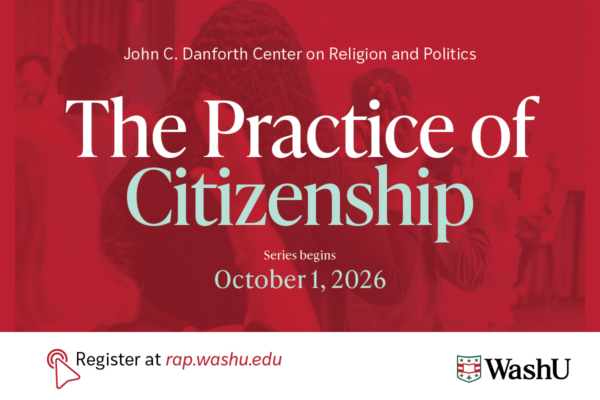
Series to explore practice of citizenship
Presented by the WashU John C. Danforth Center on Religion and Politics. “The Practice of Citizenship” series invites participants to think critically about what it means to be a citizen.
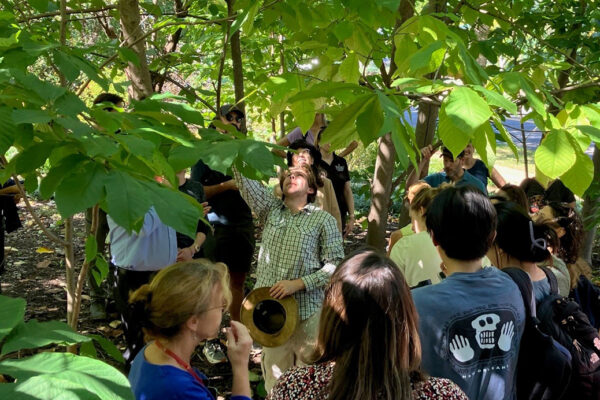
WashU Arboretum holds free tours and events
WashU has launched free public tours of its nationally recognized arboretum, showcasing iconic trees, fall colors and campus biodiversity. WashU is among the rare college campuses to host a Level III arboretum and botanic garden.
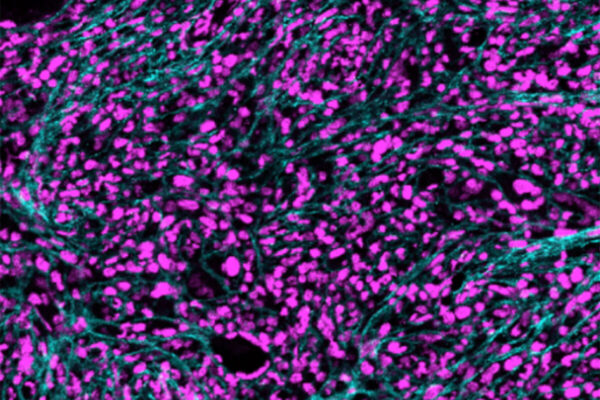
$11.7 million from NIH supports research on inflammation in blood cancers
A grant to WashU Medicine researchers will fund the study of how inflammation drives myeloproliferative neoplasms, a group of blood cancers at high risk of progressing to acute myeloid leukemia.
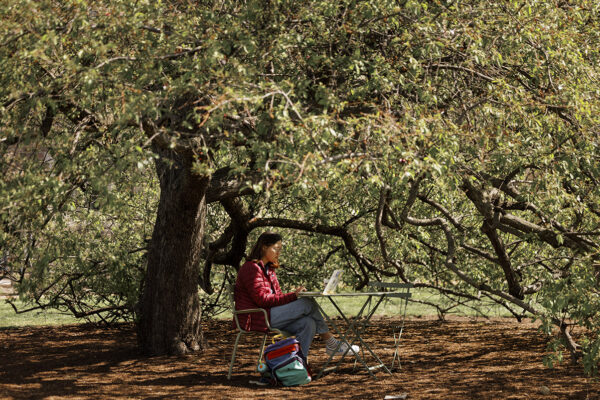
Wild crabapples have genetic potential to improve domestic varieties
WashU plant scientist Ben Mansfeld is studying the genome of wild crabapples to find helpful traits to develop in domestic apple varieties.
View More Stories