
$80 million supports research into exceptional longevity
WashU Medicine researchers have received a grant from the National Institutes of Health (NIH) to continue a study of families with a history of extreme longevity, seeking genetic clues to healthy aging.

Payne elected president of medical informatics organization
Philip Payne, vice chancellor for biomedical informatics and data science at WashU Medicine and chief health AI officer for BJC Health and WashU Medicine, will lead the American Medical Informatics Association.

Specific brain signals rapidly eliminate body fat in mice
A study by researchers at WashU Medicine reveals how the body reprograms stable fat cells to eliminate stubborn fat reserves.
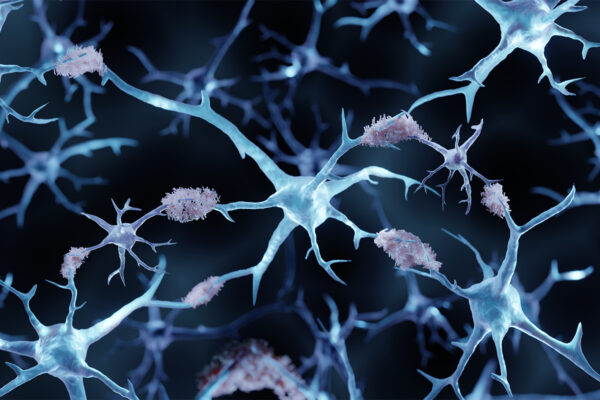
Engineered immune cells help reduce toxic proteins in the brain
Researchers at WashU Medicine and Weizmann Institute of Science designed a CAR-T cell therapy that reduced amyloid beta plaques in the brains of mice, pointing to a promising new approach for Alzheimer’s disease.
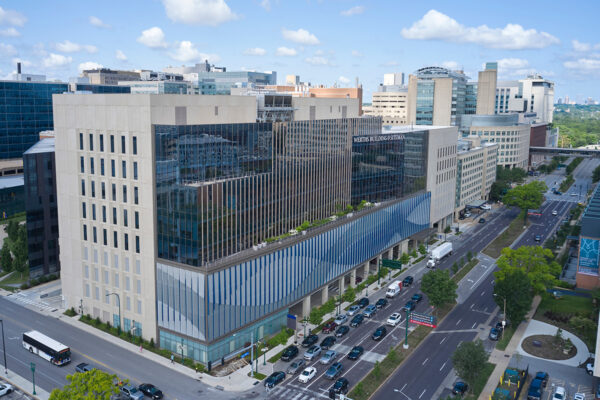
Gary C. Werths Building earns LEED Gold
The nine-story Gary C. Werths Building at Siteman Cancer Center, based at Barnes-Jewish Hospital and WashU Medicine, has earned Leadership in Energy and Environmental Design Gold certification from the U.S. Green Building Council.
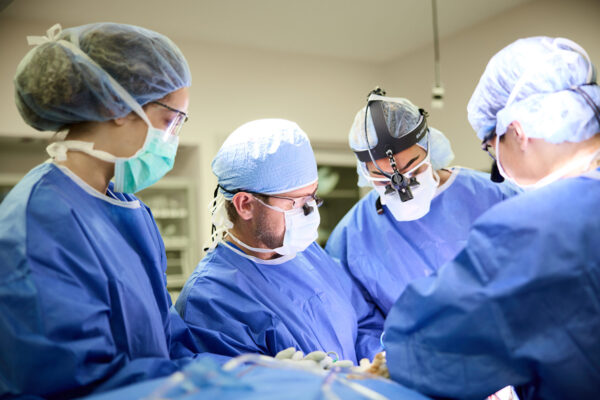
Method spots early signs of infection after breast cancer reconstruction
A new tool developed by WashU Medicine researchers could allow for preemptive treatment of implant-related infections that improves outcomes and reduces patients’ emotional and financial burden.
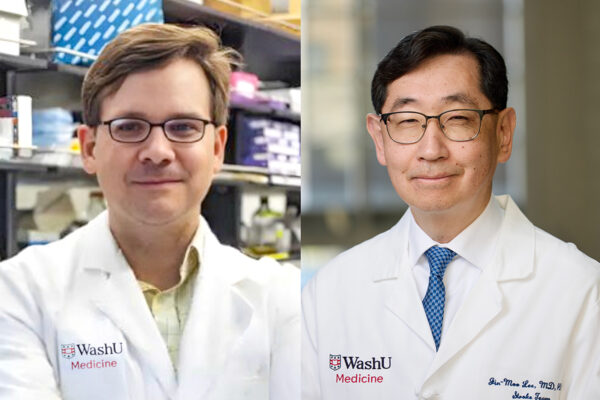
WashU Medicine researchers receive Falk Catalyst Awards
Jin-Moo Lee, MD, PhD, and Jeffrey R. Millman, PhD, at WashU Medicine were selected for the prestigious Falk Catalyst Awards, which supports bold early-stage research with the potential to transform patient care.
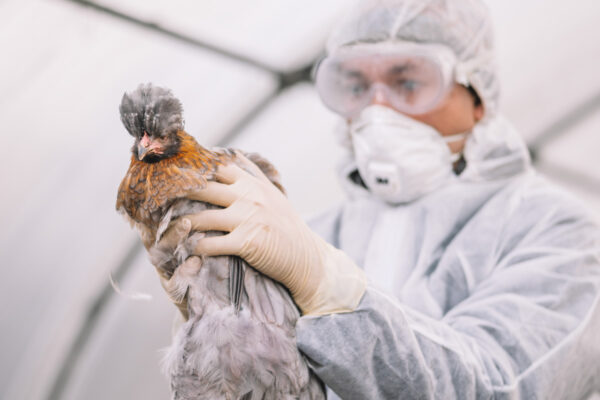
Nasal vaccine combats bird flu infection in rodents
Researchers at WashU Medicine have developed a nasal vaccine against the highly pathogenic H5N1 avian influenza virus, or bird flu, which has jumped from wild birds to farm animals to humans. In rodents, the vaccine elicited a strong immune response and prevented infections in H5N1-exposed animals.
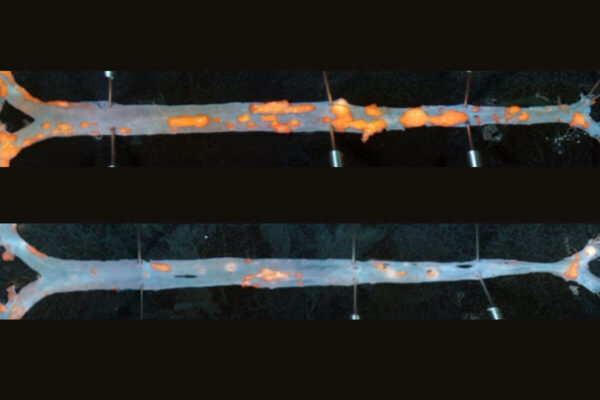
Immunotherapy reduces plaque in arteries of mice
An antibody-based immunotherapy reduces plaque in the arteries of mice, offering a potential new strategy to treat cardiovascular disease, according to a study led by WashU Medicine researchers.

Kannampallil, Wiley named medical informatics fellows
Thomas Kannampallil, chief data scientist and assistant dean for data science at WashU Medicine, and Laura Wiley, an associate professor of neurology at WashU Medicine, have been named 2025 American College of Medical Informatics fellows.
View More Stories