In Brief
- Polyfluoroalkyl substances (PFAS) cause billions in damage to health and the environment. WashU researchers have developed a nontoxic alternative.
- The new coating, called SLIP, can repel water and is resistant to UV degradation.
- The coating can be produced affordably through use of plant waste material and feedstocks.
Polyfluoroalkyl substances (PFAS) are known as “forever chemicals” because of the impact they make on the environment and human bodies. Much of modern manufacturing relies on these substances for safe packaging, fire protection and waterproof coatings.
Despite the billions of dollars in economic burden PFAS place on human health and the environment, the PFAS materials themselves are relatively affordable and abundant. So when WashU chemical engineers wanted to come up with an alternative that meets manufacturing needs, they turned to a different material that is also affordable and abundant: lignin, or plant waste material. In new research published in Matter, researchers from Washington University in St. Louis outline the chemical processes used to turn lignin and fatty acids into a viable PFAS replacement called SLIP, or superhydrophobic lignin-integrated particles.
“We actually use this waste material to turn it into a valuable product,” said Joshua Yuan, the Lucy & Stanley Lopata Professor and chair of energy, environmental and chemical engineering at WashU McKelvey Engineering. Yuan, who serves as director of the NSF Carbon Utilization Redesign for Biomanufacturing (CURB) Energy Research Center at WashU, has long taken inspiration from the natural world to find solutions to replace petrochemical-based materials.
In SLIP, the researchers found a viable waterproof coating to replace PFAS and lose the toxic side effects. “It’s not going to stay in the environment forever and it can be degraded,” Yuan added.
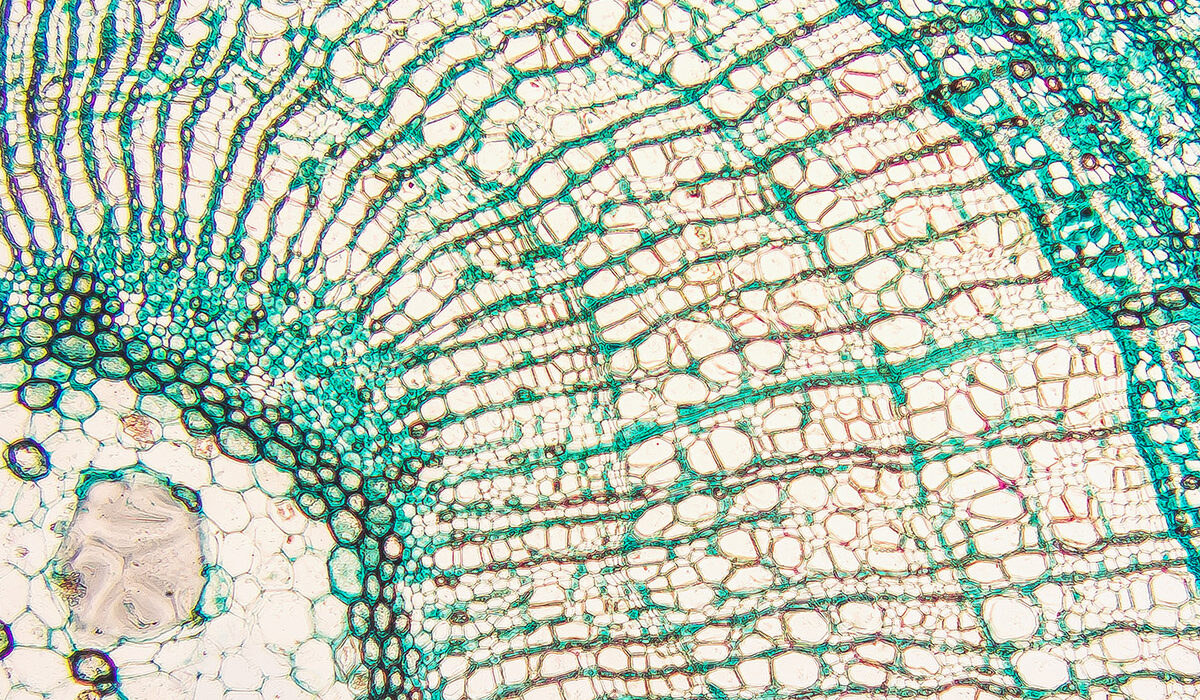
To make SLIP, Yuan and his team, including first authors Puneet Dhatt and Weiwei Li, took inspiration from plant vascular tissue called xylem. Within xylem is a waterproof molecule called suberin, which transports water throughout the plant. The team incorporated suberin’s structure into lignin particles by linking lignin to fatty acids and further added a polylactic acid (PLA) binder. The resulting material demonstrated a highly superhydrophobic performance and included features of mechanical robustness and ultraviolet stability.
That’s not everything PFAS does, but it’s a substantial start, the researchers said, especially considering the sheer number of waterproof coatings used in modern manufacturing.
Tests show water literally bouncing off the new SLIP material. “The water will just run off,” Dhatt said, adding that the material was tested with wood-degrading fungus that showed the coating can break down into harmless organic matter within the expected time period.
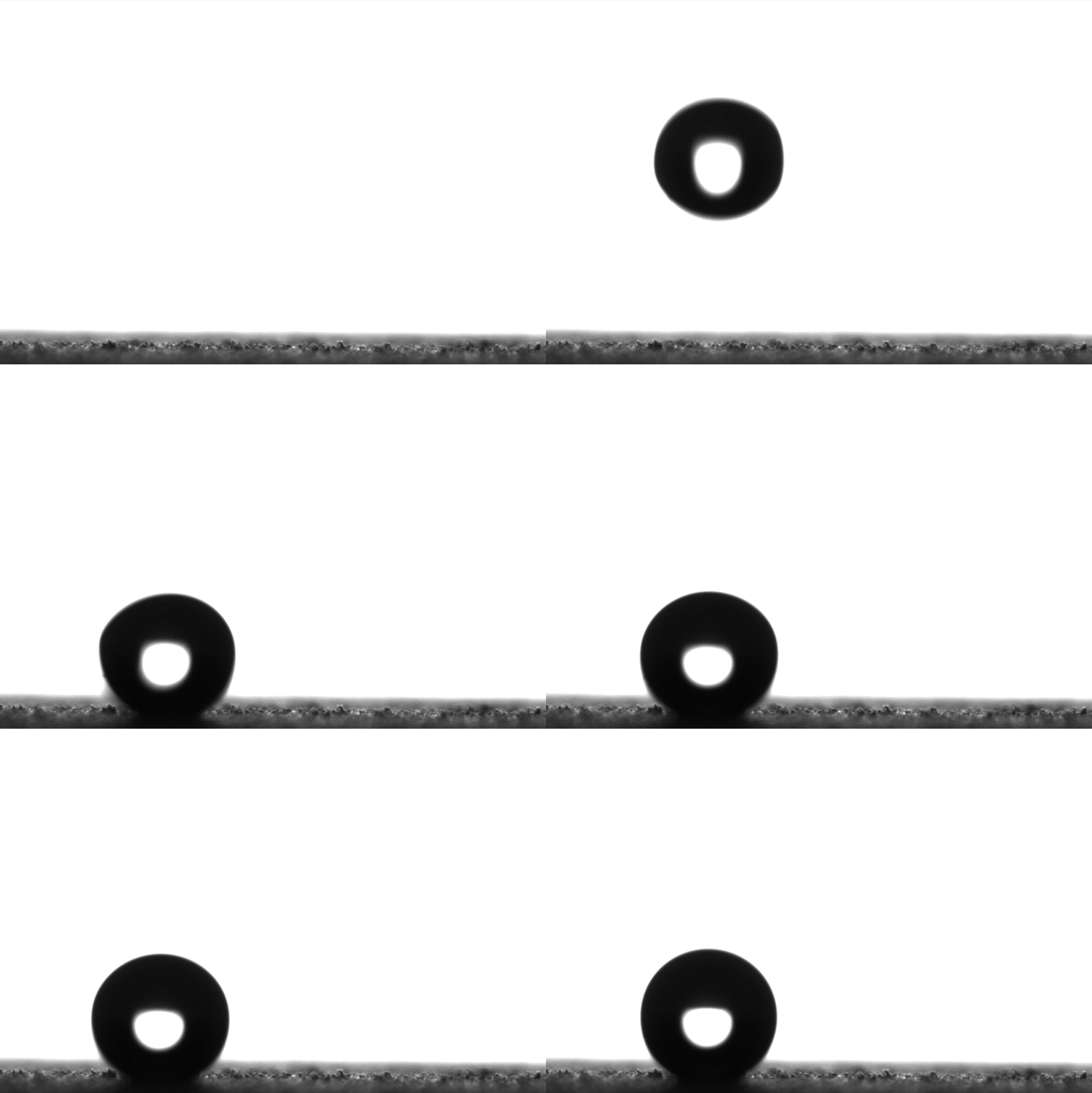
Lignin and fatty acid “evolved to degrade in the environment for a long time,” Dhatt noted, saying that the replacement material could help avoid the societal cost of forever chemicals.
The WashU team collaborated with researchers at Texas A&M University to estimate the cost savings of replacing PFAS. Looking at the global impacts to human health and the environment from forever chemicals, the Texas researchers estimated that total societal damage avoided by replacing forever chemicals with SLIP in waterproofing could reach $1.1 billion annually.
For now, the scientists will continue to add attributes to this new coating. SLIP could be used in packaging and for construction material coatings, but the next step will be to make it oil- and fireproof to vastly expand its applications. The team also is working to scale up the process and integrate it with biorefinery and paper and pulping industries.
“This study represents the perfect example, where we learn from nature and design a sustainable material critical to our society, with a life cycle similar to nature polymers, where everything can degrade without causing harms,” Yuan said.
Dhatt PS, Li W, Chen Y, Meng X, Liu M, Fei C, Ragauskas A, Dai SY, Yuan JS. Bioinspired and biodegradable fluorine-free superhydrophobic coatings. Matter, 2026, 103068. https://doi.org/10.1016/j.matt.2026.103068
Funding support provided through NSF CURB Engineering Research Center (NSF EEC 2330245); and DOE EERE BETO grants to J.S.Y. and S.Y.D.: DE-EE-0008250, DE-EE-0007104, and DE-EE-0009756. Yuan is a fellow of American Association for the Advancement of Science and Royal Society of Chemistry.