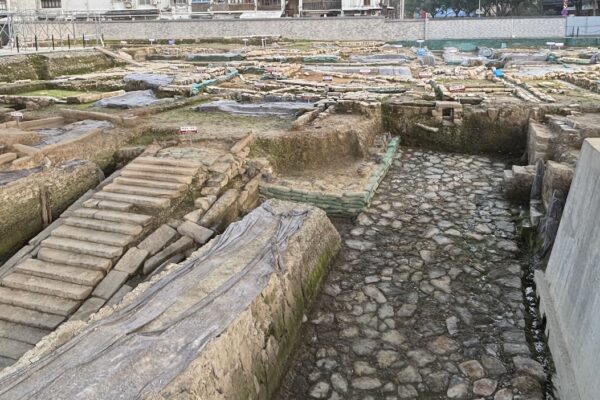
Waterlogged seeds reveal melons’ ancient journey
A new WashU study shows how scientists can use ancient DNA to answer historical questions beyond what artifacts alone can reveal.
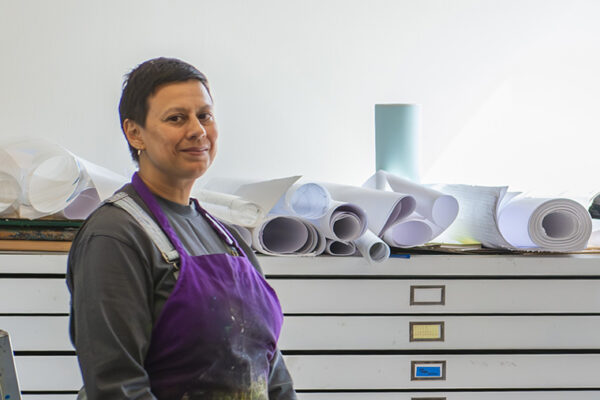
Carolina Caycedo on ‘Growing Deep Roots’
“Growing Deep Roots,” a one-person show by artist Carolina Caycedo, will open Sept. 9 at the WashU Kemper Art Museum. In this Q&A, Caycedo discusses her work, her interest in migration, just energy transitions and the tenacity of repair.
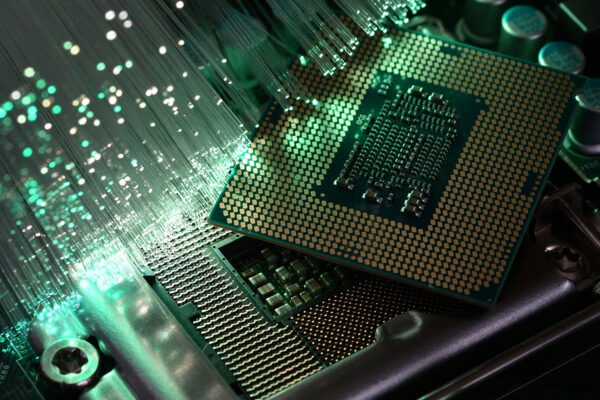
Grant funds hybrid system that could spur vast energy improvements to computing
With a grant from the National Science Foundation, WashU computer engineer Shantanu Chakrabartty will design hybrid neuromorphic and quantum computing systems that could unlock huge energy efficiencies in solving artificial intelligence problems.
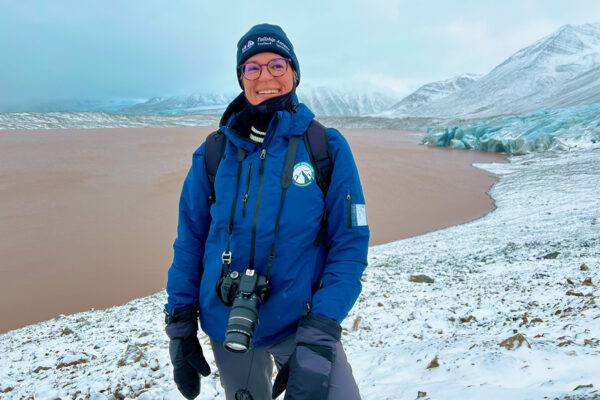
Hester Blum
Hester Blum follows literary questions beyond the archive and into the environments that shaped them. A leading scholar of environmental humanities, Blum is the Lynne Cooper Harvey Distinguished Professor of English in WashU Arts & Sciences.
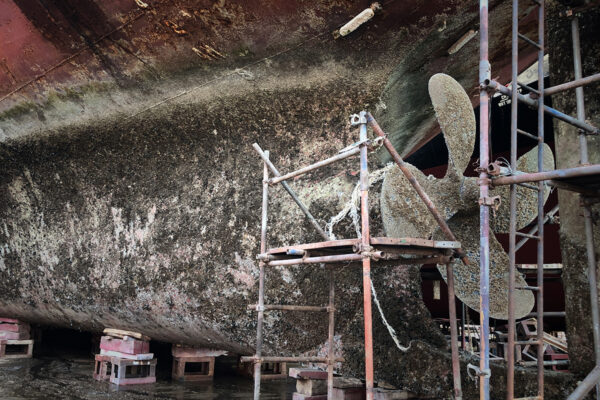
Shake it off
A grant from the Department of Defense will fund WashU research to make materials that deter aquatic organisms from attaching to surfaces. The work could have applications for anything in wet environments including medical devices for the human body and membranes used in desalinization.
Some assembly required, with machine learning
WashU researchers are working on ways to use machine learning to not just make predictions about potential chemical compounds but also to model out the synthesis of those materials.
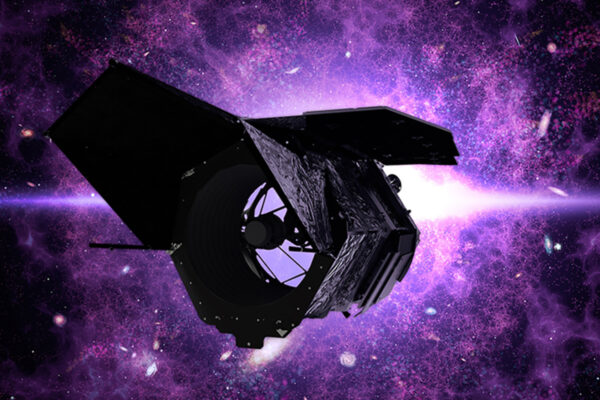
WashU astronomers selected for Roman space telescope programs
Scheduled to launch Aug. 30, scientists will use Roman to settle essential questions in the areas of dark energy, exoplanets and astrophysics. WashU plays a key role in four new projects.
AI agents prompt redesign of web for security, privacy, reliability
With a CAREER Award from the National Science Foundation, WashU’s Umar Iqbal proposes to redesign the web with infrastructures that will allow AI agents to reliably use it.
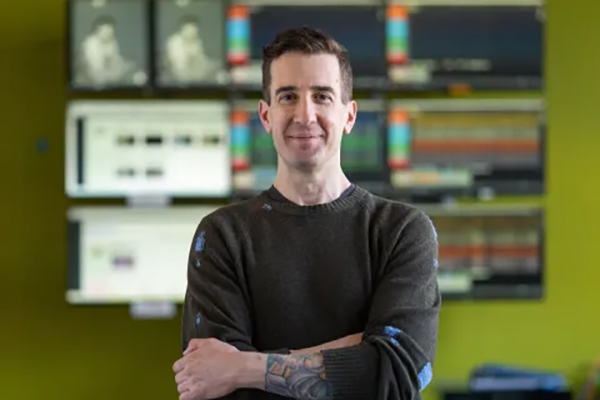
Hengen applies lessons from brain to quantum sensing
Biologist Keith Hengen, in WashU Arts & Sciences, is applying lessons from the brain to next-generation quantum sensors through a U.S. Department of Energy-funded project.
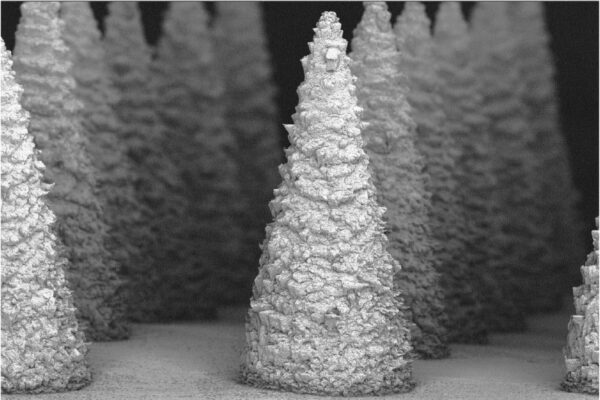
A painless punch with a microneedle patch could detect kidney disease earlier
New research from the lab of WashU McKelvey Engineering’s Srikanth Singamaneni shows the early success of a microneedle patch that can be applied on the skin to capture biomarkers of kidney injury. It may one day support home or point-of-care monitoring.
Older Stories