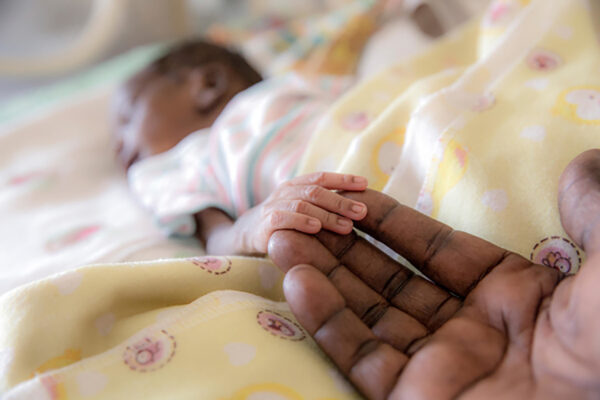
Data science uncovers patterns in health service use linked to child mortality
An interdisciplinary team of researchers at Washington University in St. Louis identified drivers of maternal and child health service use across Africa.
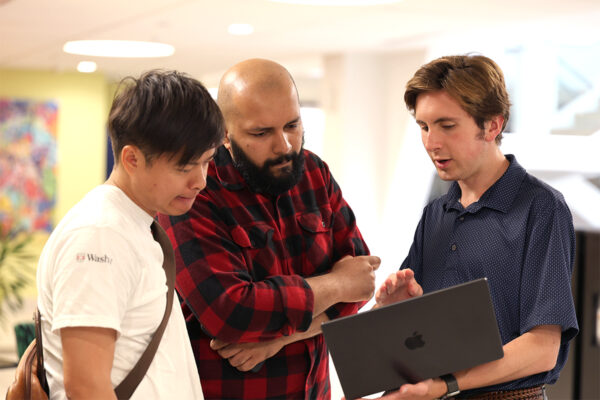
Students in summer program develop AI tools, advance faculty research
This summer, students in WashU’s Digital Transformation Summer Corps developed AI-driven tools and products that advance important interdisciplinary research projects. The new program is part of the Digital Intelligence & Innovation Accelerator, a “Here & Next” initiative.
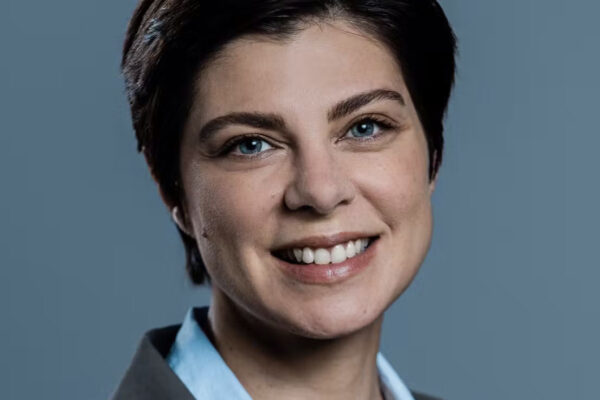
Roccabianca named director of Center for Women’s Health Engineering
Mechanical and materials engineer Sara Roccabianca has been named director of the Center for Women’s Health Engineering in the McKelvey School of Engineering at Washington University in St. Louis.
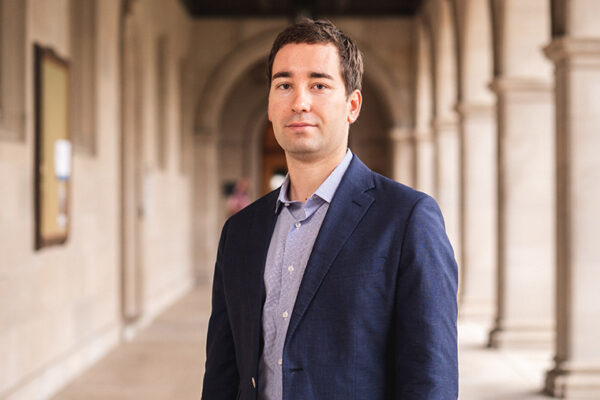
When physics meets ecology
Mikhail Tikhonov, an associate professor of physics in Arts & Sciences, is using mathematical tools to deepen our understanding of microbial ecology and evolution.
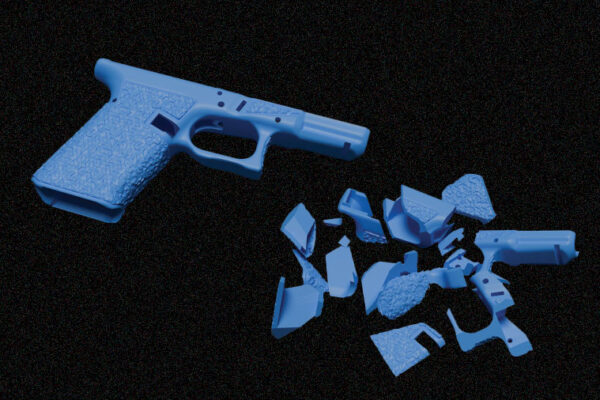
Unique fingerprints in 3D printing may foil adversaries
A researcher at Washington University in St. Louis developed a way to create an embedded fingerprint in 3D-printed parts that would withstand the item being broken, a potential way to track “ghost guns.”
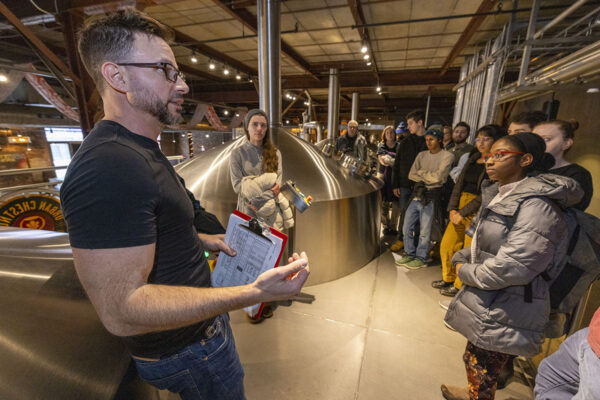
Up to $5.2M in federal funds will enable WashU to develop new biomanufacturing capabilities
Researchers at Washington University in St. Louis are working on giving biomanufacturers a competitive edge by solving the challenge of continuous fermentation.
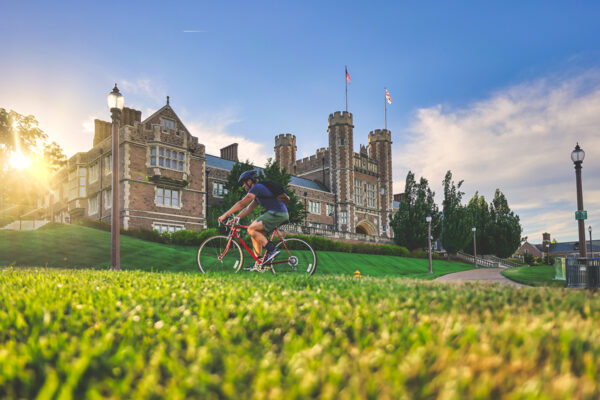
WashU earns gold accreditation for sustainability
For the third cycle in a row, WashU receives a prestigious sustainability recognition.
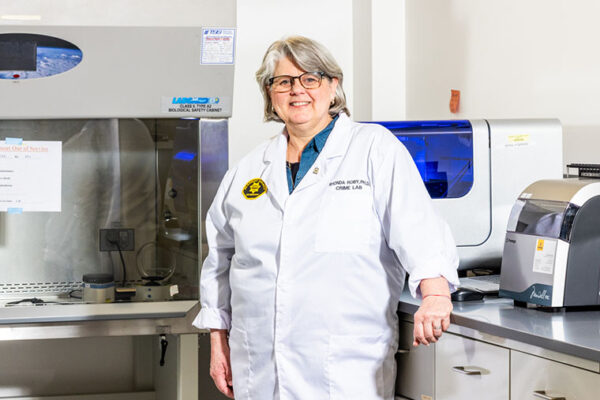
Forensic pioneer
Rhonda Roby has become one of the country’s foremost experts in mitochondrial DNA, solving some of the biggest forensic questions of our time.

The heaviness of water
As the western U.S. faces decreasing water supplies, WashU alumni are helping negotiate how this precious resource will be managed and shared in years to come.
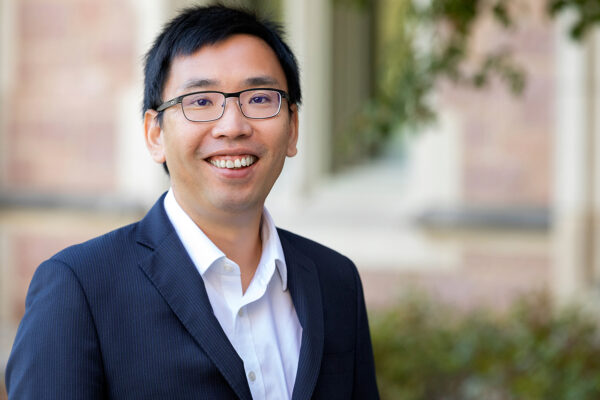
Jiao named ACS fellow
Feng Jiao, a professor at Washington University in St. Louis, was elected a 2025 American Chemical Society fellow.
Older Stories