
Six honored for nursing excellence
Six WashU Medicine nurses were recognized with 2026 Excellence in Nursing awards from St. Louis Magazine, and an additional 12 were selected as finalists.
Mental health care before, after surgery improves recovery in older adults
A clinical trial led by WashU Medicine researchers found that combining mental health coaching with medication optimization reduced post-surgery anxiety and depression in older adults.
The student becomes a master
Three-time WashU alumnus S. Hassan A. Akbari credits the connections he maintained with mentors for shaping his career in medicine.
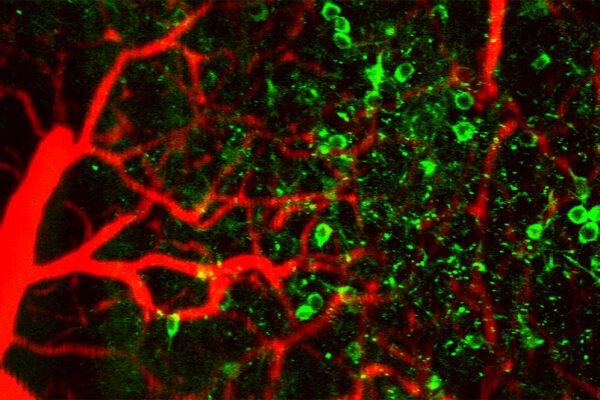
Oxygen delivery on display
Biomedical researchers at WashU McKelvey Engineering have developed a new imaging technique that captures the dynamic coupling between the brain’s vasculature and its neurons. The new microscopy tool could help lead to breakthroughs in studying stroke and dementia.
Nasal spray vaccine protects against bird flu in mice
WashU Medicine researchers led by Jacco Boon show that a novel H5N1 vaccine confers robust protection regardless of prior seasonal flu immunity.

The doctor is in …
One podcast episode at time, Margaret Duncan, MD ’21, is striking a balance between creative pursuits and her medical practice.
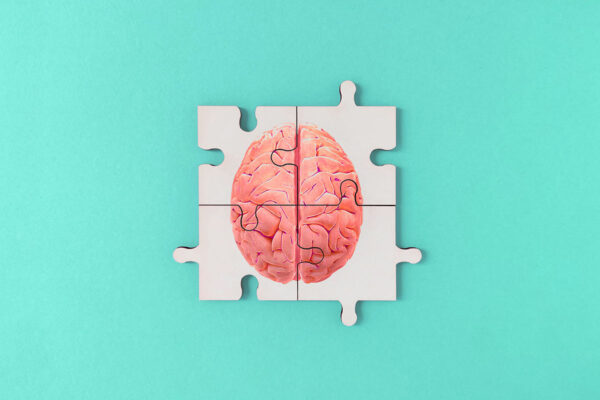
Barch receives $3 million to study hallucinations, delusions in schizophrenia
A team of WashU researchers has received a more than $3 million grant from the National Institutes of Health (NIH) to study the mechanisms underlying hallucinations and delusions in schizophrenia.
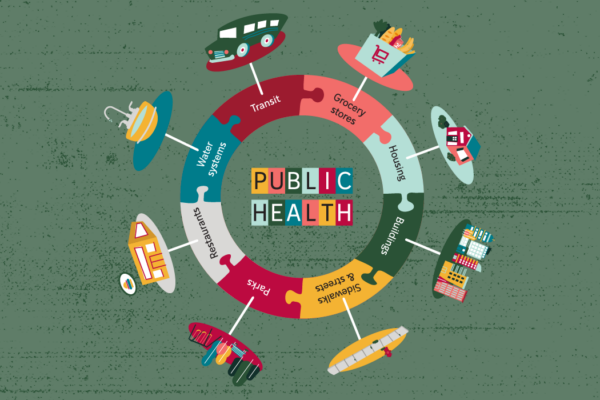
What’s in a sidewalk?
A graduate public health course examines the effects of built environments, from local crosswalks to global cityscapes.
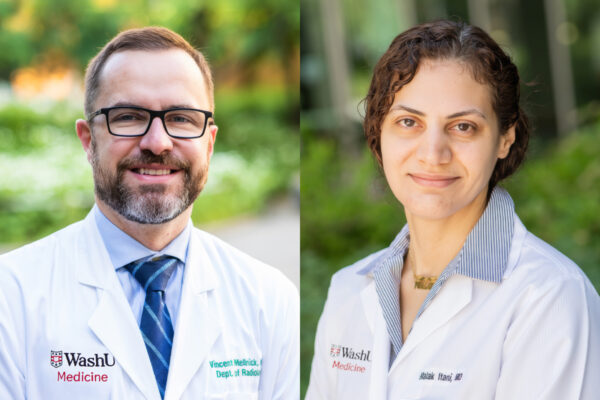
Mellnick, Itani named to radiology senior leadership positions
Vincent Mellnick, MD, has been named senior vice chair and division director of academic practice and Malak Itani, MD, has been named section chief of abdominal imaging. Both are faculty members in WashU Medicine Mallinckrodt Institute of Radiology.
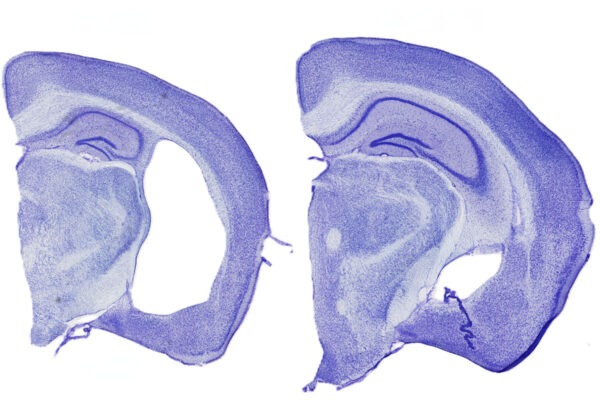
Key path to Alzheimer’s-like brain damage starts outside the brain
WashU Medicine researchers have found in mice that blocking immune cells in the body’s lymph nodes significantly reduces neurodegeneration. The discovery reveals a previously unsuspected pathway that could potentially halt or slow the progression of Alzheimer’s and related diseases.
Older Stories