
The future of America’s health
Shrinking public health funding, workforce shortages and misinformation are straining systems. A WashU forum explores how leaders can safeguard preparedness and sustain population health systems.

Rural Missourians more likely to lack health insurance than urban residents
A WashU analysis highlights how geography, employment and Medicaid changes shape health insurance access across Missouri communities.
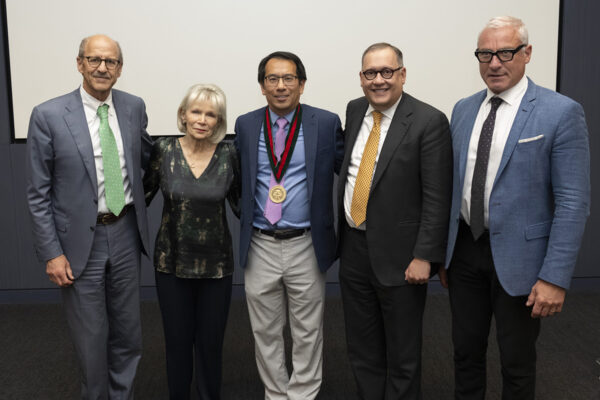
Wang named Robert C. Packman Professor
David Wang, an acclaimed microbiologist and virologist at WashU Medicine, is known for his work identifying new viruses and understanding their roles in human diseases.

Built to meet the moment
WashU scholars wrote the textbook on dissemination and implementation and have been building on that expertise ever since. Their work is needed now more than ever.

Nearly half of young adults report loneliness in eight-country study
A multinational survey led by WashU public health researchers reveals strong links between social isolation and depression and anxiety, underscoring growing global mental health concerns.

Index provides flu risk for each state
Researchers at WashU have developed vulnerability maps highlighting regions across the United States with varying levels of socioeconomic vulnerability to influenza-like illness.

Steensma installed as E. Desmond and Mary Ann Lee Professor
Public health scholar and entrepreneur Joseph T. Steensma bridges research and real-world impact, translating science into scalable solutions that address environmental and population health challenges.
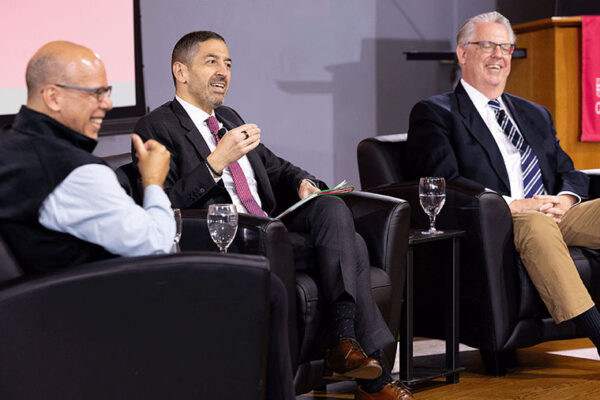
Olin to host ‘Business of Being Well’ March 31
WashU Olin Business School will host its annual spring symposium, aimed at improving health outcomes. The daylong event offers participants business-driven perspectives on health and the chance to connect with peers from WashU and beyond.

App aids substance use recovery in vulnerable populations
A mobile app developed by WashU Medicine researchers is effective at helping patients with substance use disorder who are in unstable housing situations take steps toward recovery, a new study found.
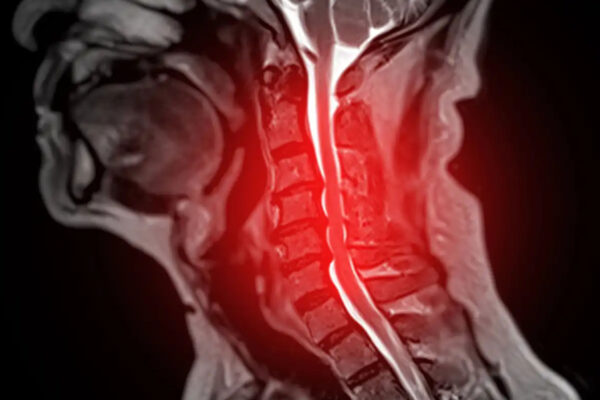
Clinically informed AI outperforms foundation models in spinal cord disease prediction
Machine learning researchers at Washington University in St. Louis used artificial intelligence to help with early detection of spinal cord disease.
Older Stories