The Future of Free Speech
In this episode, WashU’s Sandro Galea, dean of the Bursky School of Public Health, and Jacob Mchangama, a research professor at Vanderbilt University, explore the essential role freedom of speech plays in a democracy.
Jacob Mchangama
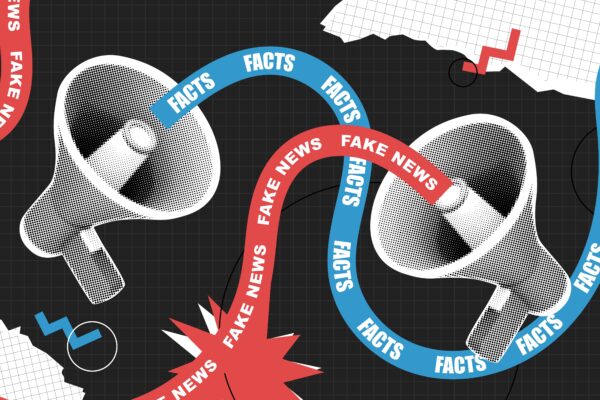
Strong reading skills may help teens resist misinformation
Students with stronger reading skills are better able to spot misinformation online — and that may be especially important for teenagers from disadvantaged backgrounds, according to a new study from the Brown School.
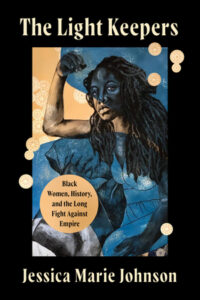
The Light Keepers
Black Women, History, and the Long Fight Against Empire
Jessica Marie Johnson, AB ’04, associate professor of history at Johns Hopkins University, showis that there is nothing finished or settled about how Black women understand time, trauma, and survival.
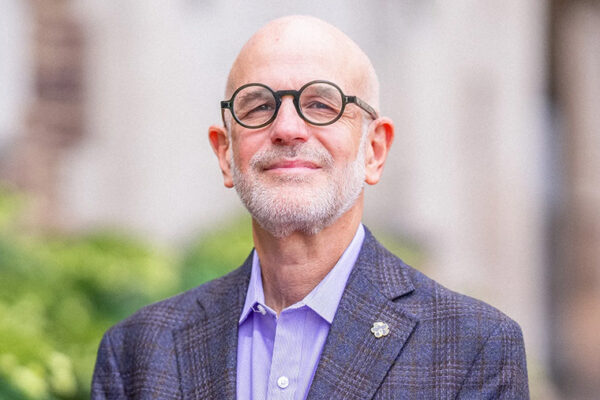
Judaken named Frankel Institute fellow
Jonathan Judaken in WashU Arts & Sciences has been named a 2026-27 fellow at the Frankel Institute for Advanced Judaic Studies.
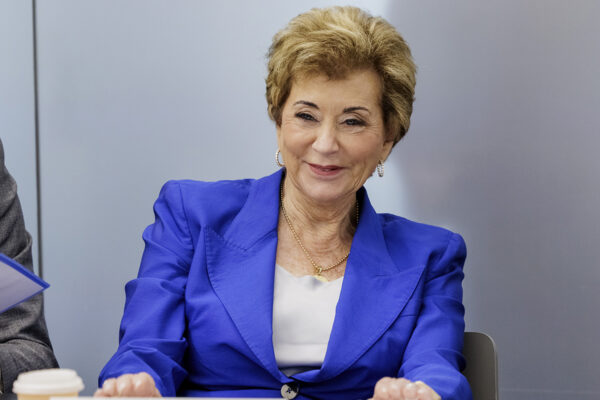
US education secretary visits WashU
As part of her travel to universities across the country, U.S. Education Secretary Linda McMahon visited WashU Sept. 16.
Inequality and Opportunity in America
What are the main drivers of inequality in America, and how can we increase opportunity? WashU’s Sandro Galea sits down with Stanford’s Lukas Althoff to explore the role education may have in solving these issues.
Lukas Althoff
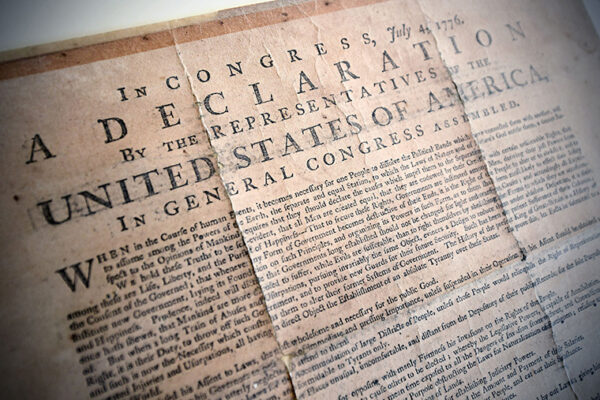
Why did the colonies declare independence?
People join movements for many reasons. The American Revolution was no different, says Peter Kastor, a professor of history at WashU. “They all agree on liberty. They disagree on what it means.”

Commemorating 250 years of American independence
As the nation prepares to celebrate the 250th anniversary of the Declaration of Independence signing, experts at Washington University in St. Louis are reflecting on the events and ideas that shaped this nation and their continued relevance today.
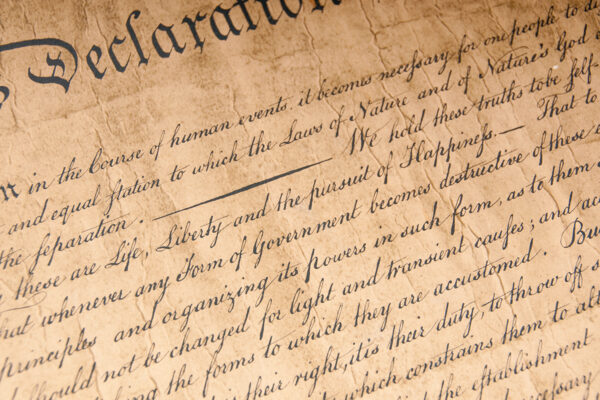
Free speech and judicial independence in the age of revolution
The right to free speech and judicial independence — two foundational values our nation is built upon — were born of the founders’ distrust of unchecked power, according to Andrew D. Martin, chancellor of Washington University in St. Louis and an expert in judicial politics.
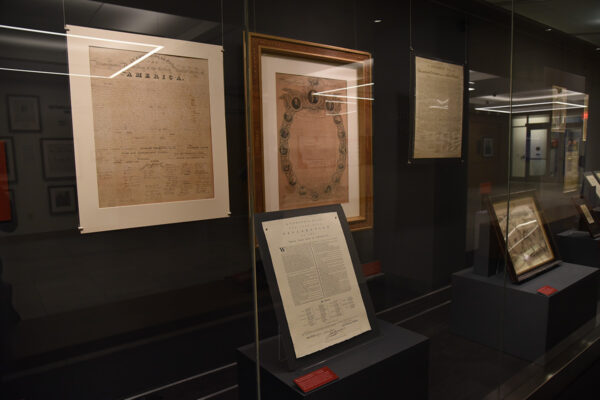
WashU hosts Declaration celebration
WashU Libraries host “Unalienable Rights: America at 250,” a celebration of the 250th anniversary of the nation’s founding, at 2 p.m. July 2 at Olin Library. The free event features a talk about the Declaration and children’s activities.
Older Stories