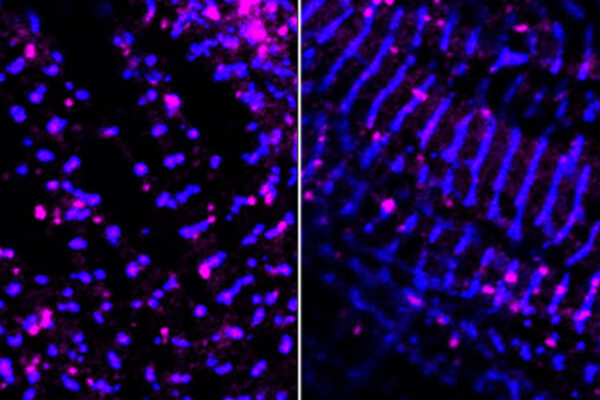
Probing a paradoxical drug response for irregular heartbeat
Research in Jon Silva’s lab at WashU McKelvey Engineering highlights the importance of genetic testing for precision medicine.
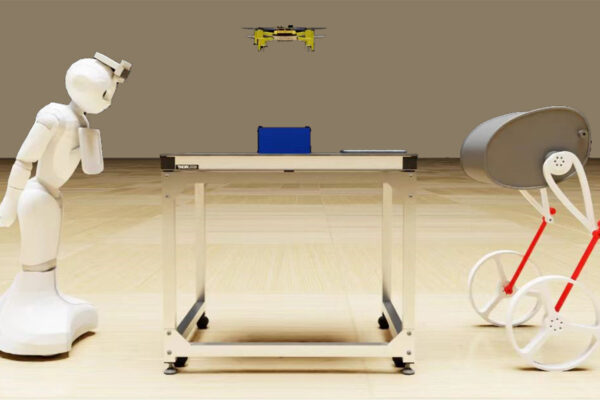
Robots learn by imitating other robots
A multi-institutional team, including Chongjie Zhang at WashU McKelvey Engineering, developed a new method that enables robots to achieve intentions shown by their peers.
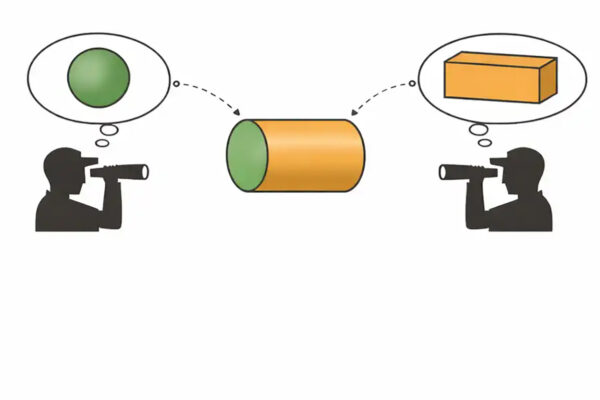
An inside look at drone swarm behavior
Researchers in the McKelvey School of Engineering at WashU have developed a new method to understand information in complex systems, which can be applied toward development of unmanned aerial vehicles.

WashU scientists join 40-year study tracking changing tropical forests
WashU Arts & Sciences biologists Toby Pennington and Jonathan Myers contributed to an ambitious study on South America’s tropical forests, revealing important shifts in biodiversity.
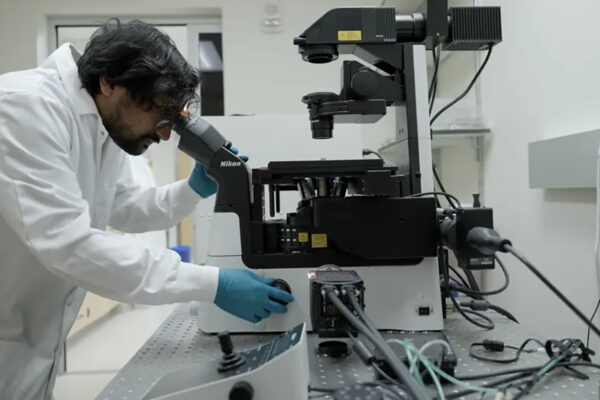
WashU researchers use quantum biosensors to peer into cells’ inner workings
A team including scientists from the WashU Center for Quantum Leaps has harnessed nanodiamonds to take quantum readings of mitochondria. The work could reveal insights about cellular metabolism in health and disease.
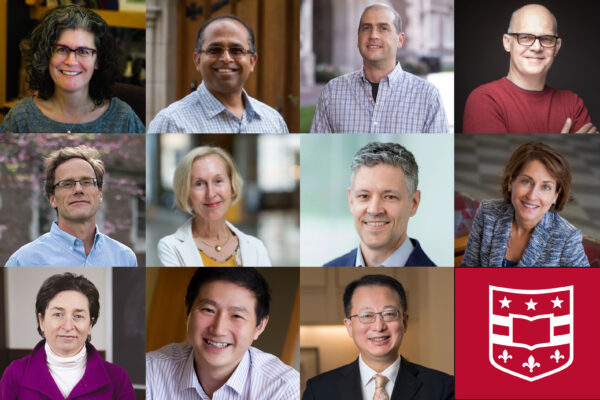
Eleven WashU faculty elected to AAAS
Eleven WashU faculty members are among the new fellows selected by the American Association for the Advancement of Science, one of the most distinct honors in the scientific community.
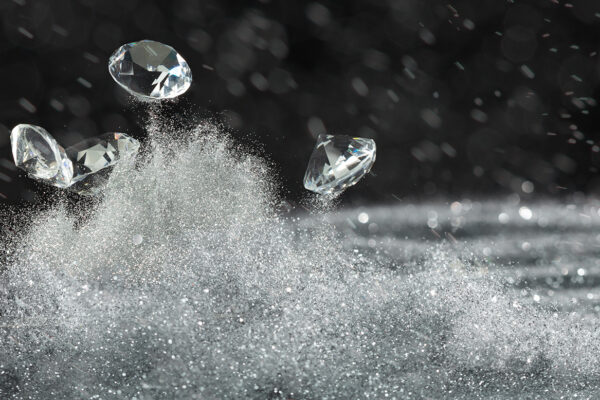
Diamonds are not a geoengineer’s best friend
Researchers at Washington University in St. Louis have found that diamond dust is not a suitable particle for stratospheric aerosol injection that could cool the Earth.

Surgical AI adapts to changing patients
A new adaptive model created at WashU improves surgical predictions across evolving patient populations.

Dai named to Forbes ’30 Under 30′ list
WashU engineering researcher Yifan Dai was named to Forbes’ “30 under 30” science list for contributions to global cellular physiology.
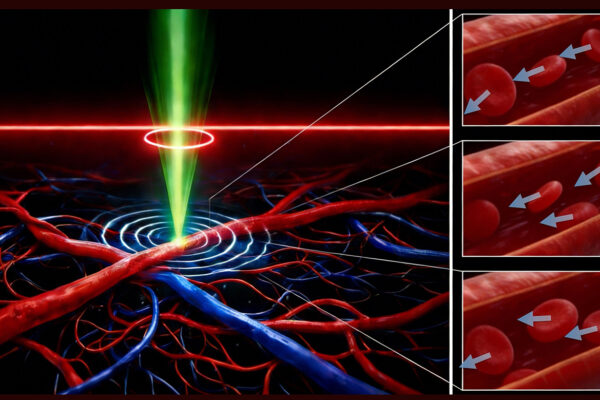
Tracking single red blood cells as they move through the brain
Super-resolution functional photoacoustic microscopy, a new technique developed at WashU, allows researchers to image blood flow and oxygenation at single-cell resolution. The research could provide insight into microvascular health and disease, such as stroke, vascular dementia and Alzheimer’s disease.
View More Stories