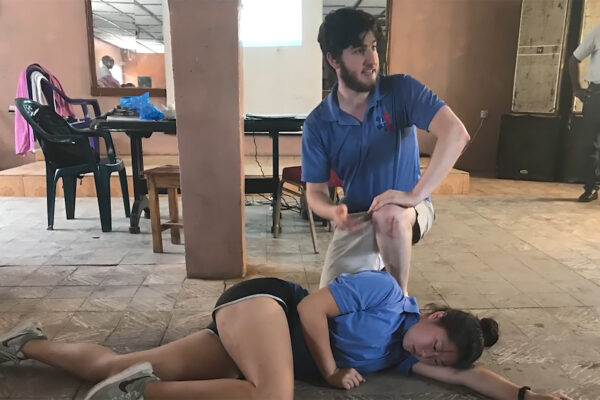
Teaching emergency medicine in Sierra Leone
McKelvey School of Engineering student Zach Eisner traveled to Sierra Leone, a nation with no emergency medicine, to teach 1,000 residents how to stop bleeding, conduct CPR, splint a broken bone and transport an injury victim on a motorcycle. “The taxi driver, the teacher, the person on the street — these are the people who, with the right training and support, can save lives,” Eisner said.
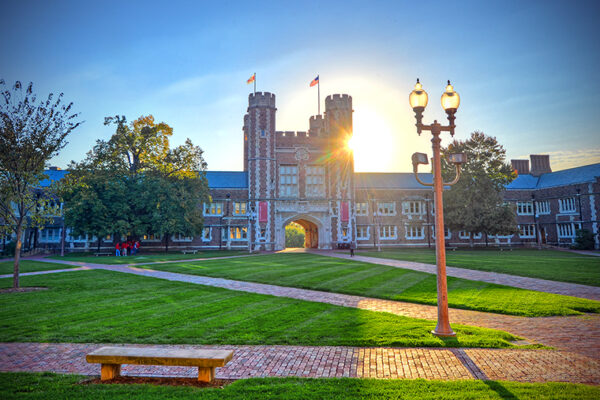
Board of Trustees grants faculty appointments, promotions
At the Washington University in St. Louis Board of Trustees meeting Oct. 4, more than a dozen faculty members were appointed or promoted with tenure or granted tenure, effective Oct. 4 unless otherwise indicated.
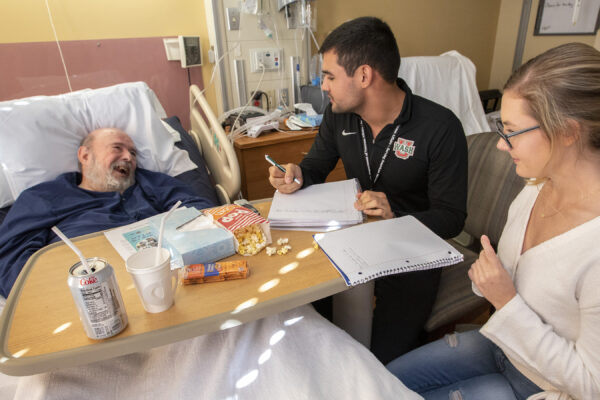
Connecting veterans to personalized care
Undergraduates in the Medicine and Society program in Arts & Sciences are helping St. Louis veterans create a version of their life story to be included in their official medical file. The innovative program is taking off around the nation.
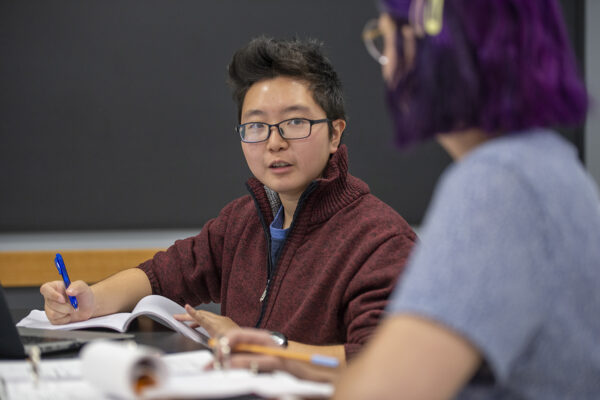
‘This is the resource I always wished I had’
In launching the St. Louis Queer + Support Helpline (SQSH), senior Luka Cai is providing the local community the support they never received as a queer teenager in Singapore. Cai and co-founder Riott Kochman, a Brown School student, will receive a Holobaugh honor for SQSH at the annual James M. Holobaugh Honors Ceremony Nov. 11.
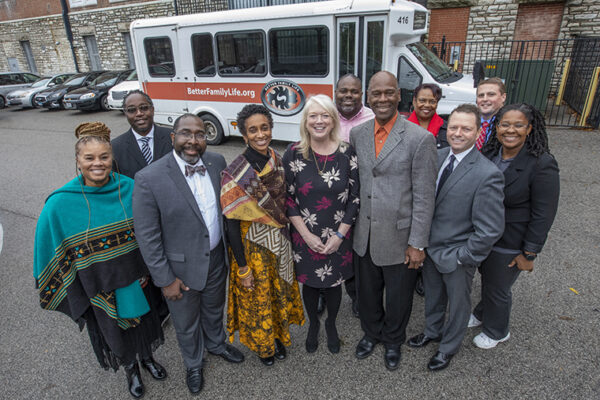
University delivers shuttle to Better Family Life
Washington University and its shuttle provider, Huntleigh Transportation Services, donated a shuttle to longtime community partner Better Family Life. The organization will use the shuttle to create and expand services for residents and young people attending Better Family Life after-school programs and summer camps.

WashU Experts on the U.S. withdrawal from the Paris Agreement
Washington University in St. Louis climate change experts react to the Trump administration decision to withdraw from the Paris Agreement on climate change.
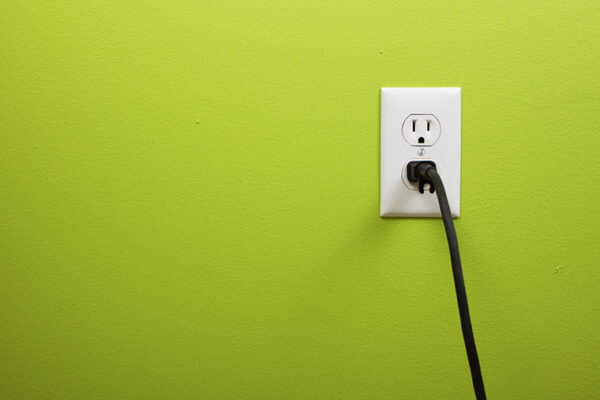
Straight from the source
Arpita Bose, assistant professor of biology in Arts & Sciences, has published new work that reveals how one kind of bacteria “eats” electricity by pulling in electrons straight from an electrode source. The research is published Nov. 5 in mBio.
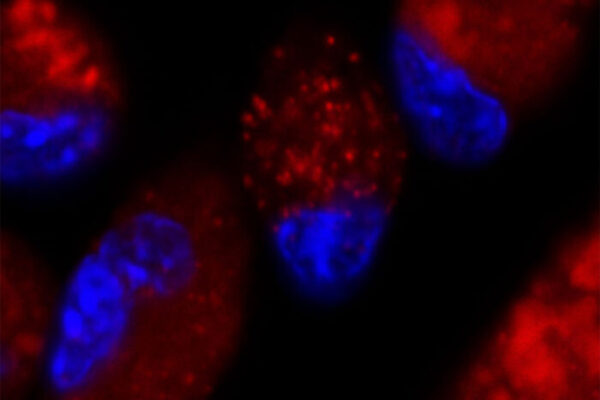
New clues found to help protect heart from damage after heart attack
School of Medicine scientists have found a way to spur heart immune cells to promote healing after a heart attack or other cardiac injury. Such a strategy could help prevent the usual inflammation that follows a heart attack and is a common driver of heart failure.
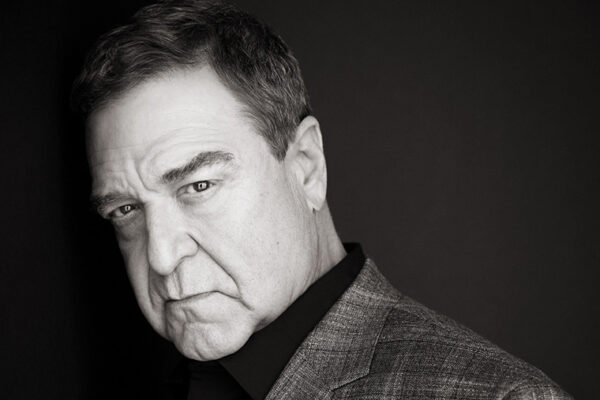
Actor Goodman to headline Founders Day Nov. 2
Award-winning actor and St. Louis native John Goodman will be the keynote speaker for Washington University in St. Louis’ annual Founders Day celebration Saturday, Nov. 2, at St. Louis Union Station Hotel. During the event to celebrate the university’s founding in 1853, distinguished alumni, faculty and supporters are honored.
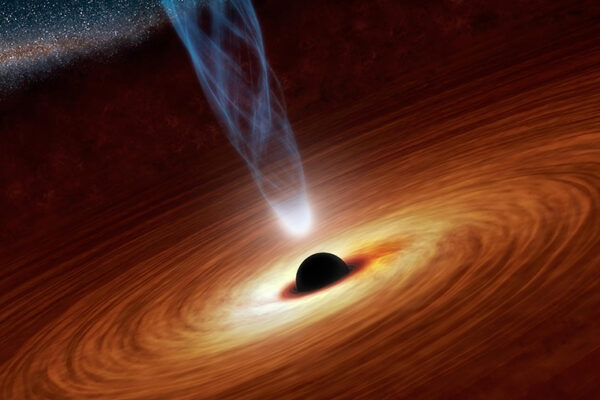
Kip Thorne explores the ‘warped side’ of the universe
Nobel laureate Kip Thorne will visit Washington University to deliver a public talk on Thursday, Nov. 7. Thorne’s work in theoretical physics examines gravitational waves, the Big Bang and what these phenomena tell us about the dynamics of the universe.
View More Stories