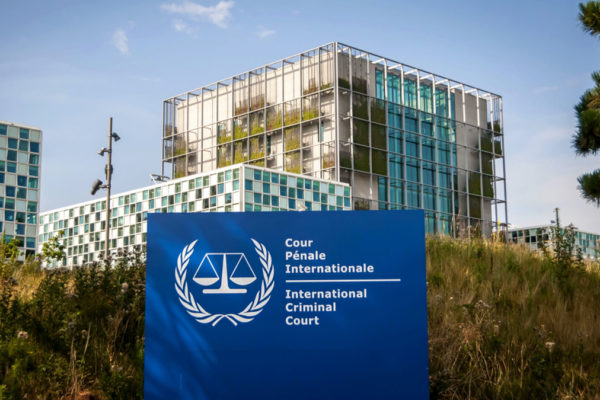
ICC sanctions threaten academic freedom, legal education
The United States imposed sweeping new sanctions against the International Criminal Court (ICC) Oct. 9, following up on sanctions imposed last year. They are threatening academic freedom, limiting opportunities for law students and making it harder for scholars to engage with international legal institutions, WashU law professor Leila Sadat argues.
In plants, sense of time is connected with sense of danger
A well-known clock gene helps plants sense salt and respond to it, according to new research from biologist Xuehua Zhong in WashU Arts & Sciences. The findings could help scientists develop more resilient crops.
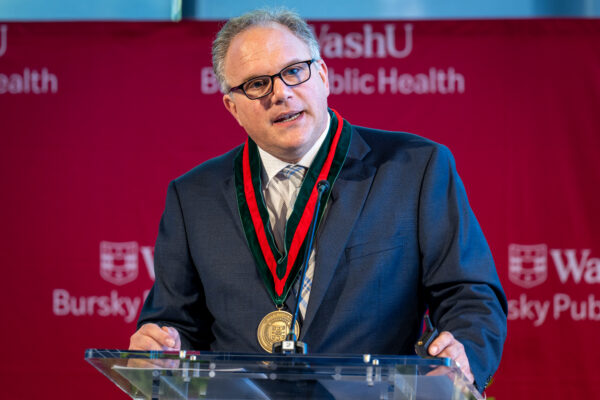
Spielman installed as Lauren and Lee Fixel Distinguished Professor
Economist David Spielman brings global expertise in food policy and agricultural innovation to Bursky Public Health, advancing research connecting food systems and health.
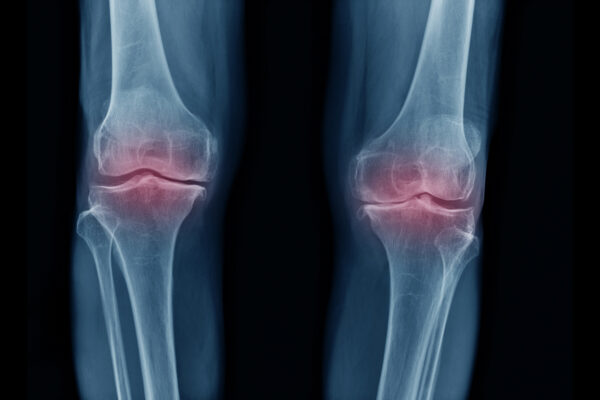
Osteoarthritis therapy study advances with $17 million from ARPA-H
The funding will support a WashU Medicine collaboration with CRISPR Therapeutics and SynGenix, a WashU startup, to move a single-injection treatment to reverse joint damage into clinical trials.
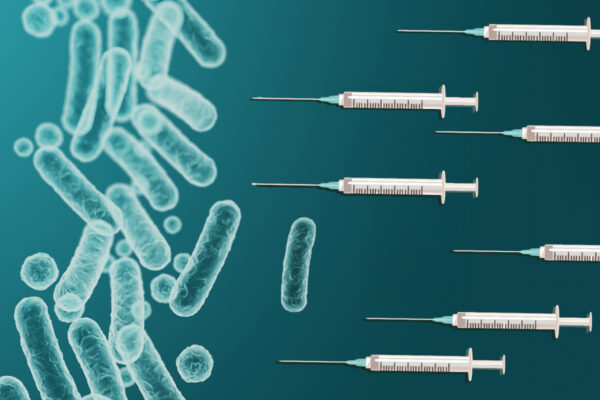
Vaccinating moms protects offspring from deadly superbug
A study in mice by WashU Medicine researchers advances efforts to shield infants from Klebsiella pneumoniae, a dangerous bacterium that causes severe bloodstream infections and is the leading killer of children globally.
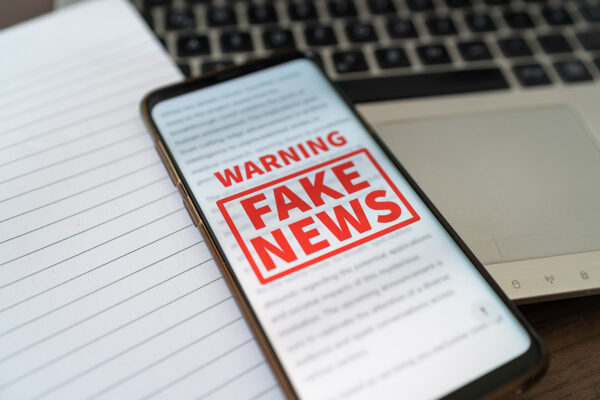
Using AI to fight election misinformation works, WashU research finds
Artificial intelligence could help counter election misinformation at the same speed that false narratives spread, according to new research from WashU and Caltech.
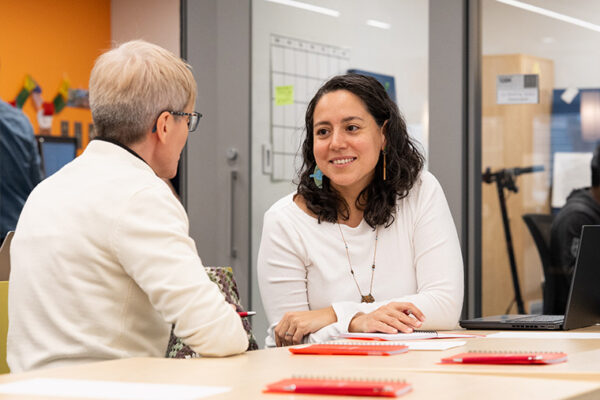
‘The opportunity to engage’
WashU Arts & Sciences will host its second annual Teaching Innovation Showcase Oct. 22. In this Q&A, three participating faculty — Michael Olson, B. Duygu Özpolat and Zhiling Zheng — discuss their projects and teaching philosophies.
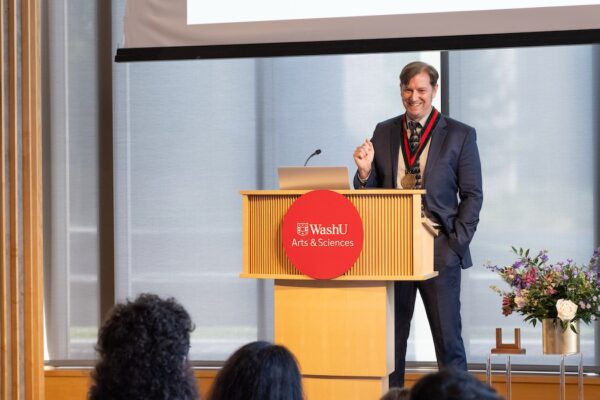
Wick installed as Robert G. and Maxine W. Scheibe Professor of Mathematics
Brett D. Wick, chair of the Department of Mathematics in Arts & Sciences, has been installed as the inaugural Robert G. and Maxine W. Scheibe Professor of Mathematics.
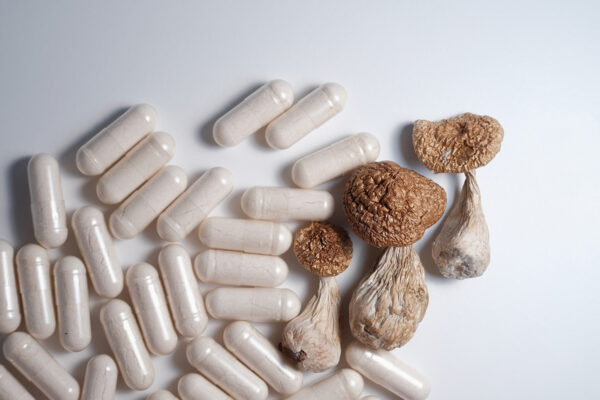
Psilocybin providers follow safety guidelines, study finds
A “mystery shopper” study by WashU researchers found that licensed psilocybin centers in Oregon — the first U.S. state to legalize regulated, supervised use of the psychedelic drug — consistently followed recommended client-screening practices. But the cost of treatment may keep it out of reach for many.

In the clouds
Under a new grant from the NSF, a WashU team will use AI and statistics to study the impact of aerosols on marine low clouds. That knowledge can help communities protect health and prepare for extreme weather.
View More Stories