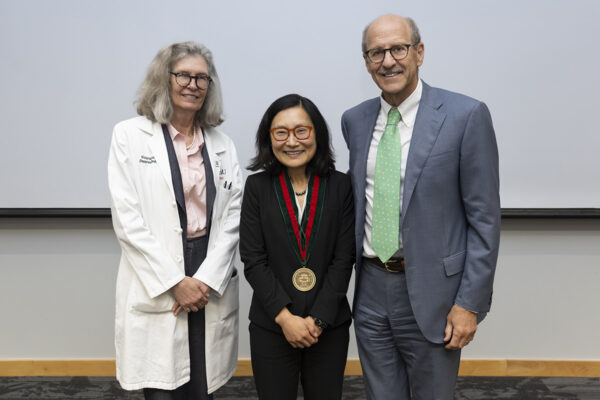
Lee named inaugural Selma and Herman Seldin Distinguished Professor of Medicine
Janet S. Lee, MD, a physician-scientist in the Division of Pulmonary & Critical Care at WashU Medicine, is internationally recognized for groundbreaking research in acute lung injury.
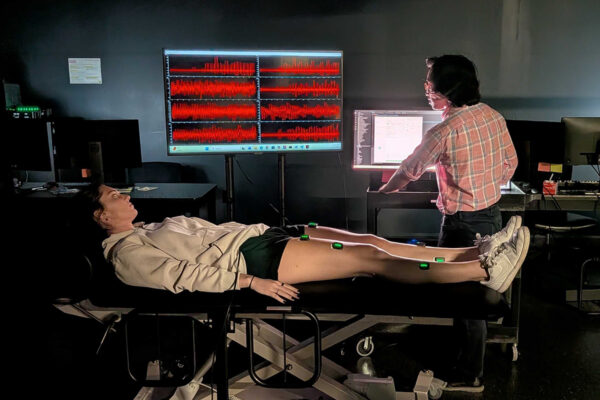
Ready to fire
WashU biomedical engineers in Ismael Seáñez’s lab are evaluating which strategies and treatments are the most effective for spinal cord injuries.
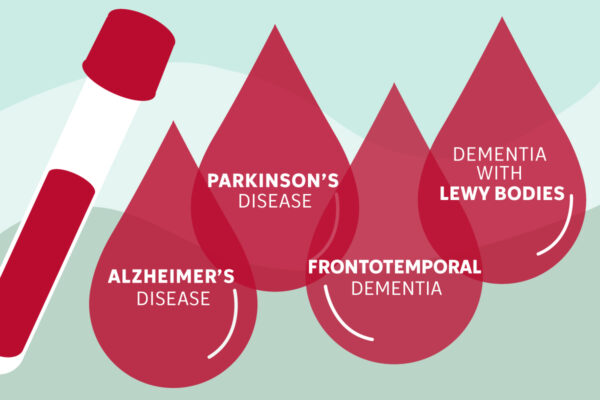
Blood test powered by AI could transform diagnosis of dementia
A tool developed by WashU Medicine researchers can accurately distinguish among several major neurodegenerative diseases — including Alzheimer’s, Parkinson’s, frontotemporal dementia and dementia with Lewy bodies — as well as detect when these conditions overlap, potentially improving early diagnosis, monitoring and treatment.
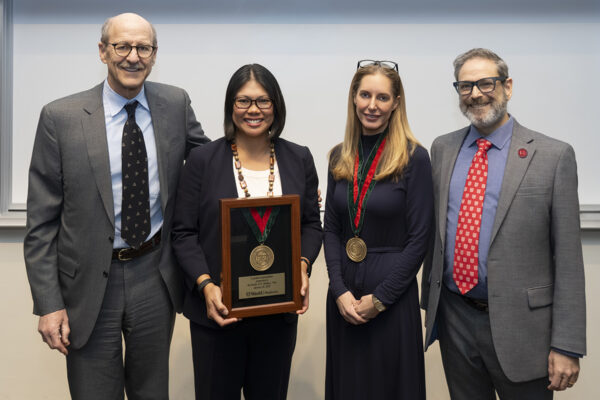
Drewry installed as inaugural Llorin-Roa professor
Anne M. Drewry, MD, a nationally recognized leader in critical care medicine, has been installed as the inaugural Llorin-Roa Professor of Anesthesiology at WashU Medicine.
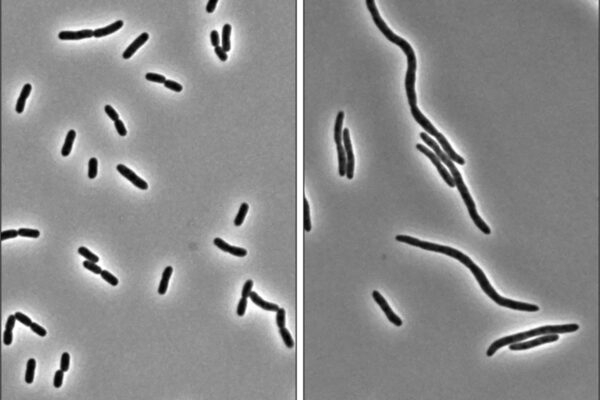
WashU research shows how pH conditions can dramatically change how bacteria respond to treatment
Biologists in WashU Arts & Sciences discovered that pH conditions can dramatically change how bacteria respond to antibiotics.
The Future of Science and the Replication Crisis
Is science facing an identity crisis? On this Ideas Matter, WashU’s Sandro Galea talks with Stanford University’s John Ioannidis about science’s ongoing replication crisis and the impact of AI.
John Ioannidis
Novel tool uncovers a common genetic cause of peripheral neuropathy
A cost-effective screening tool developed by WashU Medicine researchers allows for broader genomic testing for patients with peripheral neuropathy of unknown cause.
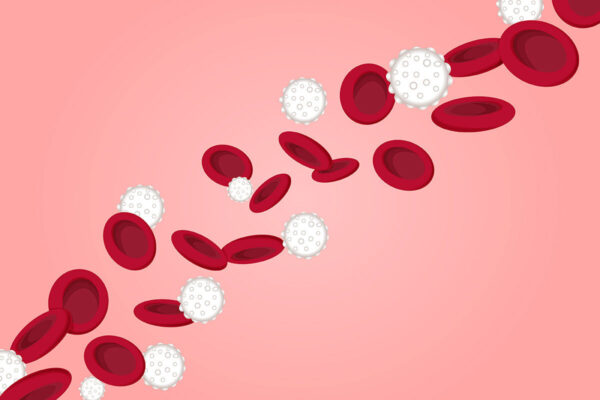
Gene-edited stem cell transplant shows promise for aggressive blood cancers
A new study led by WashU Medicine researchers shows that, for blood cancer patients, a genetically engineered stem cell transplant helps prevent toxic side effects and potentially improves the effectiveness of therapies.
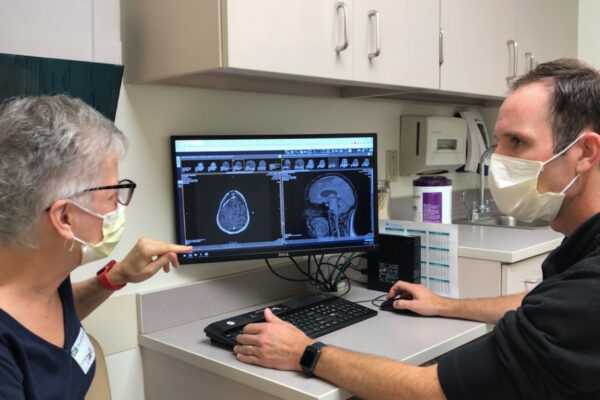
Personalized vaccine shows promise against aggressive brain cancer
A WashU Medicine-led clinical trial has found that a personalized vaccine to treat glioblastoma appears to increase recurrence-free survival in a subset of patients after surgery.
Genome-wide screen yields new gene therapies to protect against retinal degeneration
WashU Medicine researchers at the Bright Center for Human Vision have developed gene therapies that help retinal cells clear toxic proteins in mouse and human models of retinitis pigmentosa, an inherited degenerative condition that causes blindness.
Older Stories