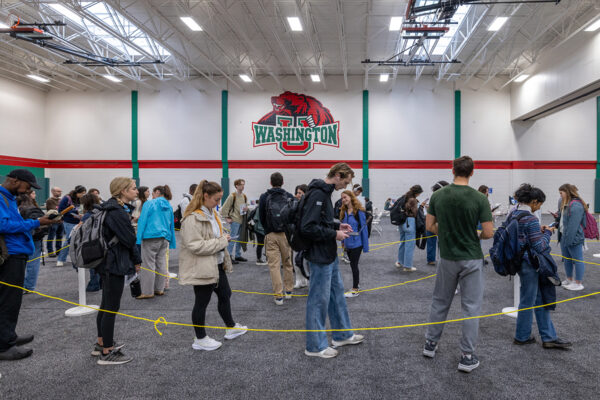
Gephardt Institute volunteers promote voting access
Early voting has started in Missouri, and the general election is Nov. 3. Until then, members of the Voter Champions Network and WashU Votes, both initiatives of the Gephardt Institute for Civic and Community Engagement, remain hard at work connecting students, faculty and staff to voter information.
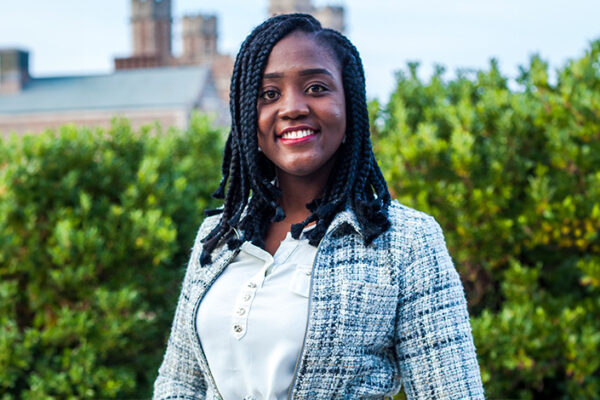
Nartey wins 2026 APHA Public Health Social Work Student Award
Portia Nartey, a doctoral student in social work at the WashU Brown School, has been selected to receive the 2026 Public Health Social Work Student Award from the American Public Health Association.
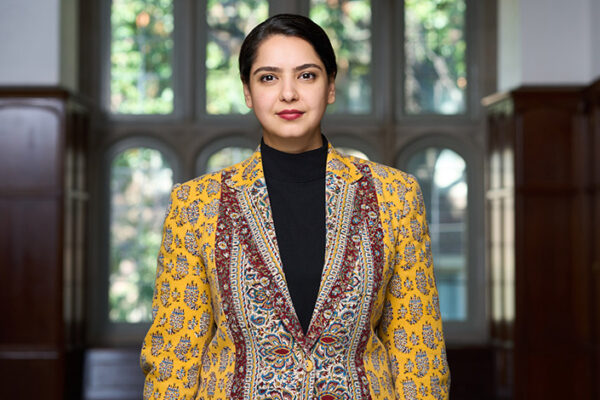
Naseh to receive International Institute of St. Louis award
Mitra Naseh, an assistant professor at the Brown School, will receive the Beacon Award for Recognition of Excellence in Community from the International Institute of St. Louis.
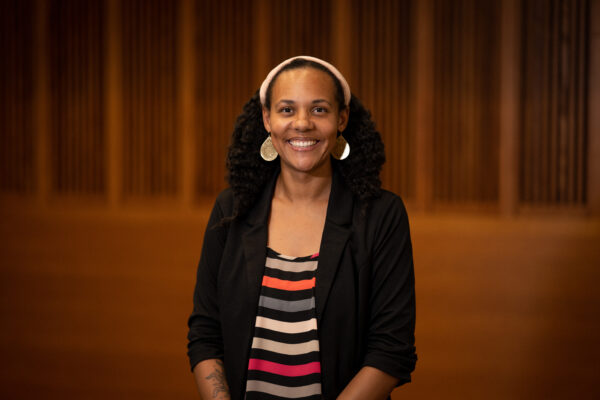
Leath earns award from brain science professionals
WashU Arts & Sciences’ Seanna Leath has received an award from the Federation of Associations in the Behavioral and Brain Sciences.
Supreme Court case tests limits of online privacy
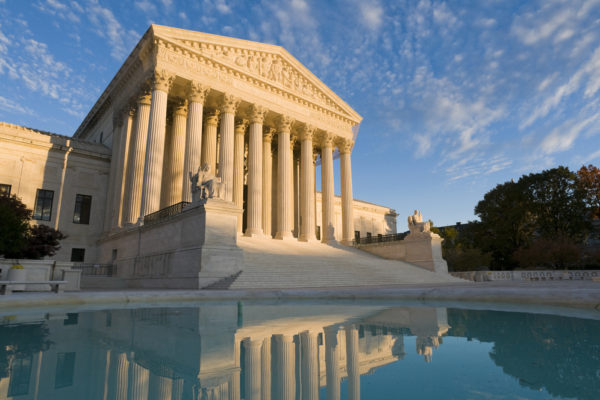
A dispute before the U.S. Supreme Court over the Video Privacy Protection Act could have significant implications for surveillance-based advertising and the future of internet privacy, says Neil Richards, a privacy law expert at Washington University in St. Louis.
ICC sanctions threaten academic freedom, legal education
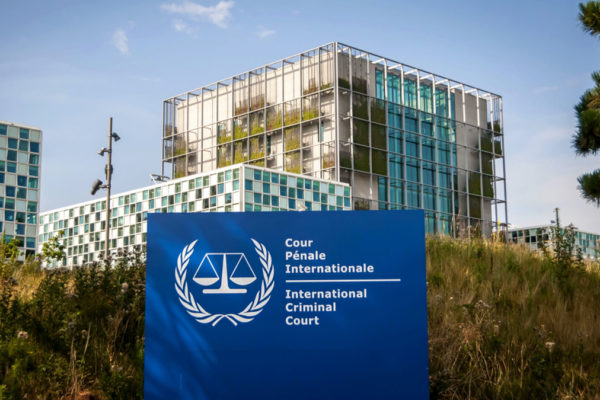
The United States imposed sweeping new sanctions against the International Criminal Court (ICC) Oct. 9, following up on sanctions imposed last year. They are threatening academic freedom, limiting opportunities for law students and making it harder for scholars to engage with international legal institutions, WashU law professor Leila Sadat argues.
Using AI to fight election misinformation works, WashU research finds
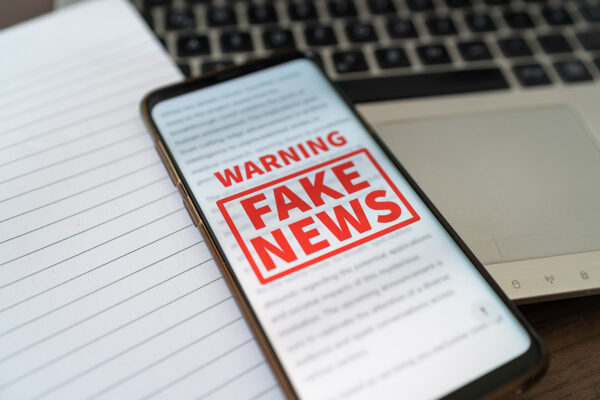
Artificial intelligence could help counter election misinformation at the same speed that false narratives spread, according to new research from WashU and Caltech.
The Future of Free Speech
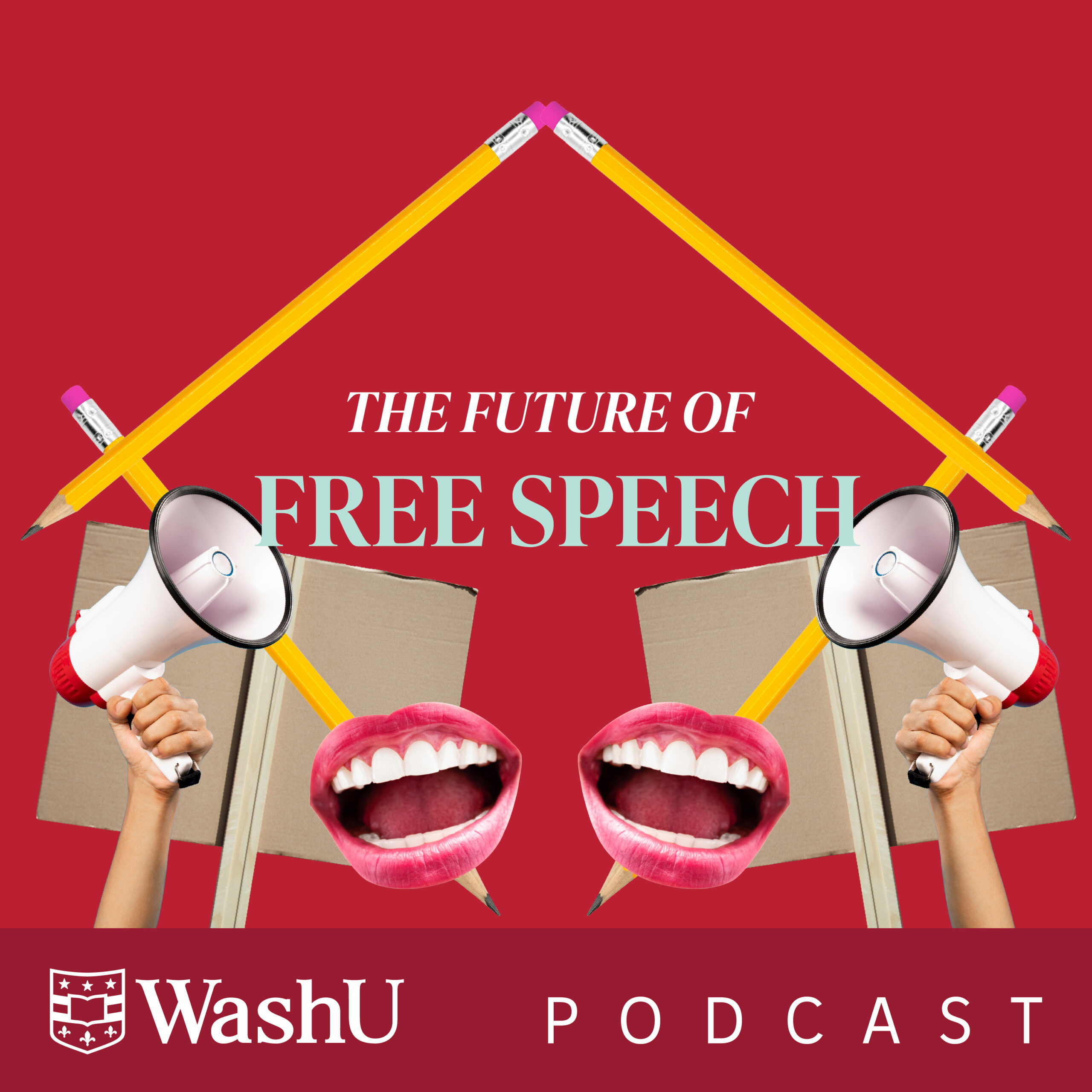
In this episode, WashU’s Sandro Galea, dean of the Bursky School of Public Health, and Jacob Mchangama, a research professor at Vanderbilt University, explore the essential role freedom of speech plays in a democracy.
Jacob Mchangama
Strong reading skills may help teens resist misinformation
Students with stronger reading skills are better able to spot misinformation online — and that may be especially important for teenagers from disadvantaged backgrounds, according to a new study from the Brown School.

WashU research helped shape important step with Trump Accounts
Research from the WashU Brown School’s Center for Social Development helped lay the groundwork for a major change to the federal government’s new Trump Accounts program: automatic account creation for eligible children, which the administration announced Sept. 29.
Older Stories