For about an hour, Ariel Hernandez-Leyva held a scientific secret. A discovery only he had uncovered.
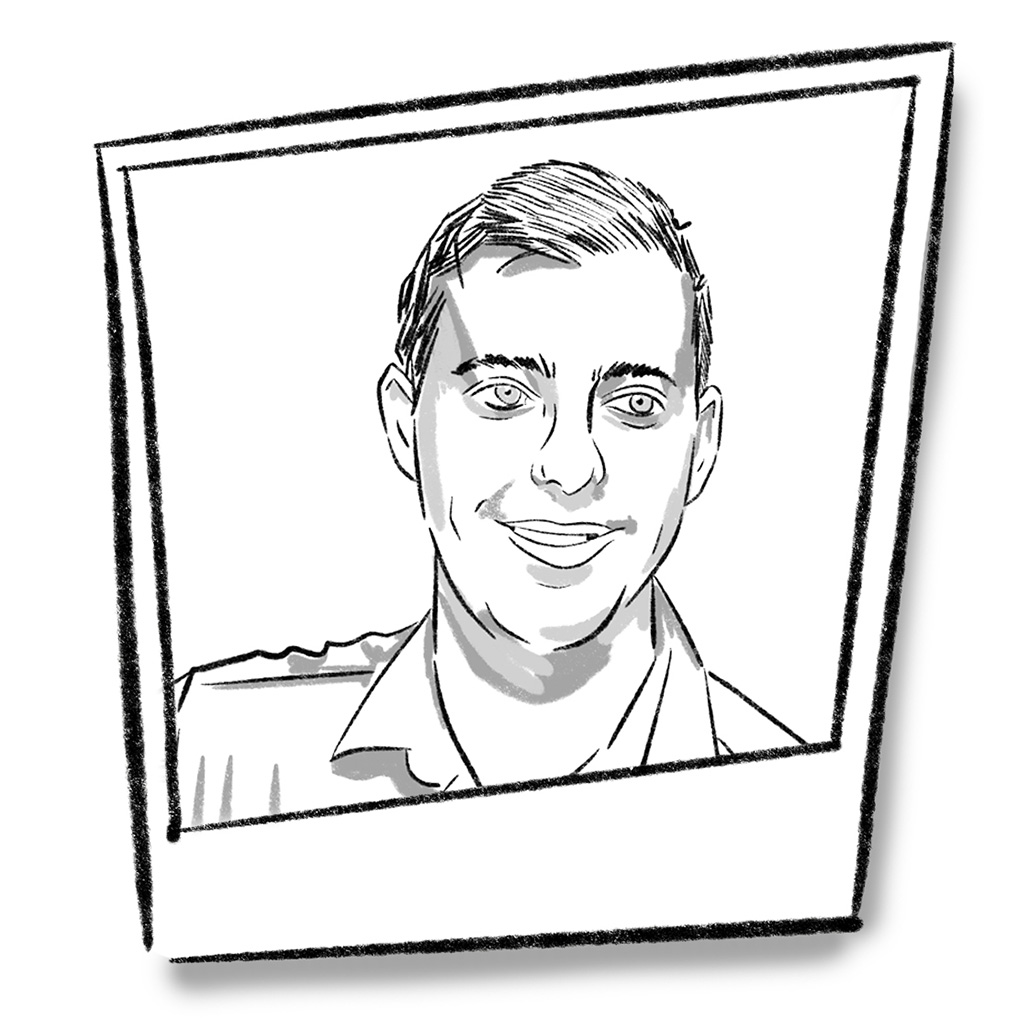
At the time, more than a decade ago, he was an undergraduate at Yale University, working long hours in a biology lab studying cytokinesis, the final stage of cell division. One spring afternoon, while using a high-resolution fluorescence microscope to observe a yeast cell split in two, Hernandez-Leyva identified not one but two contractile rings cinching the cell like an ever-tightening belt to divide its contents. This was shocking because one contractile ring is thought to drive cytokinesis and ensure the correct distribution of chromosomes and organelles.
He confirmed his finding with the lab’s postdoc, who was delighted, as was the principal investigator. While later noted in a study on cytokinesis, the newfound phenomenon proved valuable on a foundational level. Such incremental scientific steps can contribute to bigger-picture scientific findings.
“I had this moment where I was alone in the lab and realized I was the only person with this knowledge,” he recalled. “It felt weird, exciting and a lot of fun. I knew I wanted to experience this again.”
Secure in his goals, Hernandez-Leyva entered the Medical Scientist Training Program (MSTP) at WashU Medicine in 2016, an institution known globally for its basic science research and MD/PhD program. He aspired to become a physician-scientist with expertise in the gut microbiota, which refers to the trillions of bacteria, viruses and other microorganisms living in the intestines. Researchers at WashU Medicine have contributed fundamental insights on the role of the gut microbiome in health and disease and continue to lead the field.
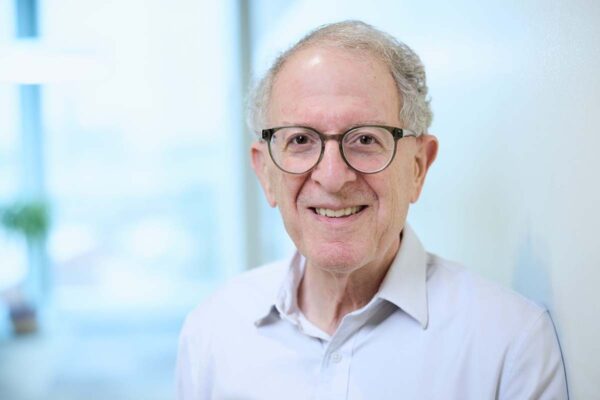
Earlier this year, Hernandez-Leyva again had the chance to reexperience the thrill of discovery. He was the first author on a study — published in the prestigious journal Cell Metabolism — revealing that breath can carry clues to gut microbiome health, particularly among children. He conducted research in the lab of his mentor, Andrew L. Kau, MD, PhD, an associate professor in the John T. Milliken Department of Medicine. Kau is also a graduate of the MSTP program at WashU Medicine and trained as a postdoctoral researcher in the lab of Jeffrey I. Gordon, MD, the Dr. Robert J. Glaser Distinguished University Professor at WashU Medicine who is widely regarded as the founder of gut microbiome research.
In May, Hernandez-Leyva is set to achieve his goal of becoming a physician-scientist by earning a medical degree and a PhD in computational and systems biology from WashU Medicine. And in July, he will begin a residency in pathology at Beth Israel Deaconess Medical Center, a teaching hospital in Boston affiliated with Harvard University.
What was your research experience like at WashU Medicine?
I joined Dr. Kau’s lab because I wanted to learn about the microbiota, and I am grateful I did because I had many opportunities for hands-on learning and was mentored every step of the way. When I started in the lab, up came this project exploring the relationship between breath and the microbiota.
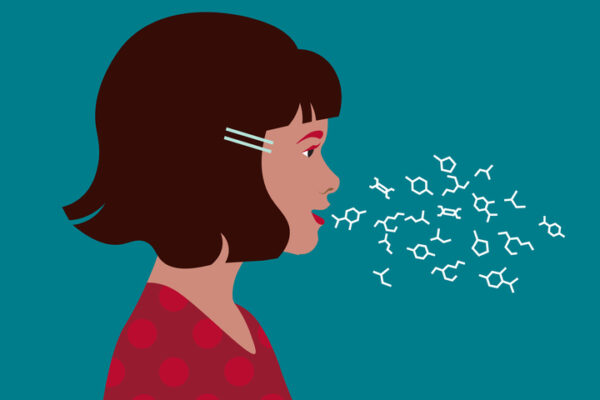
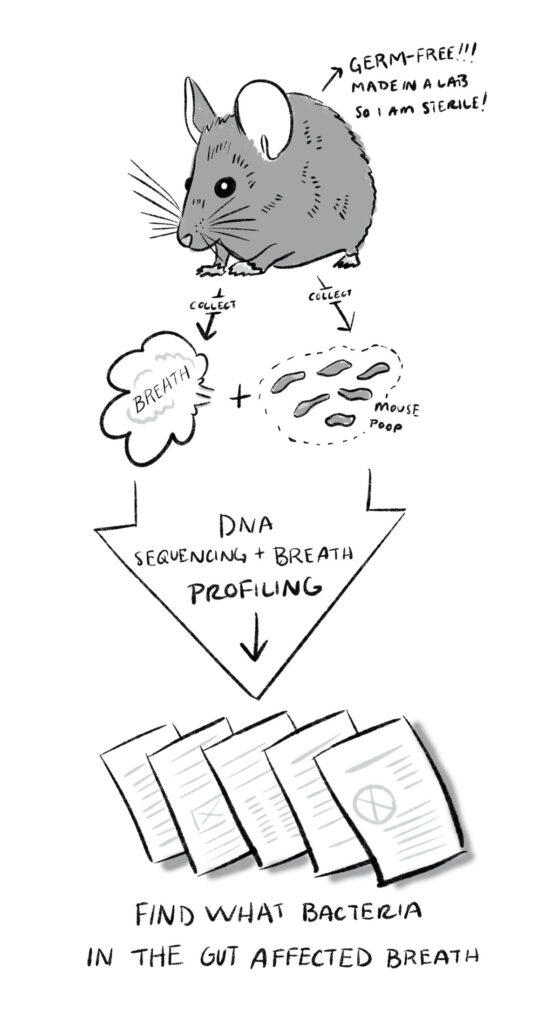
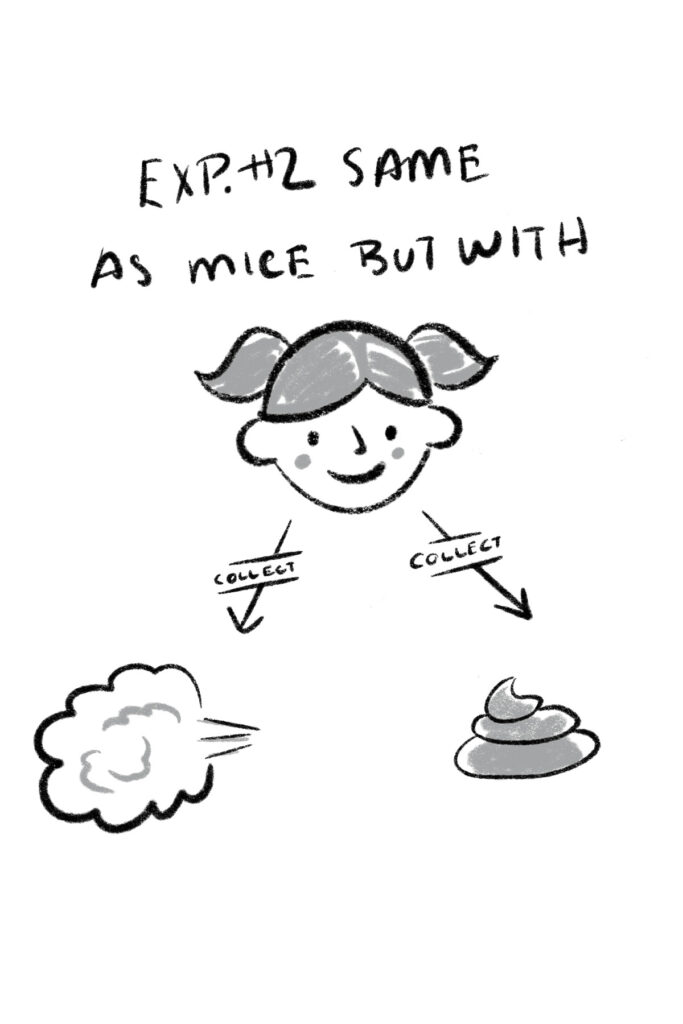
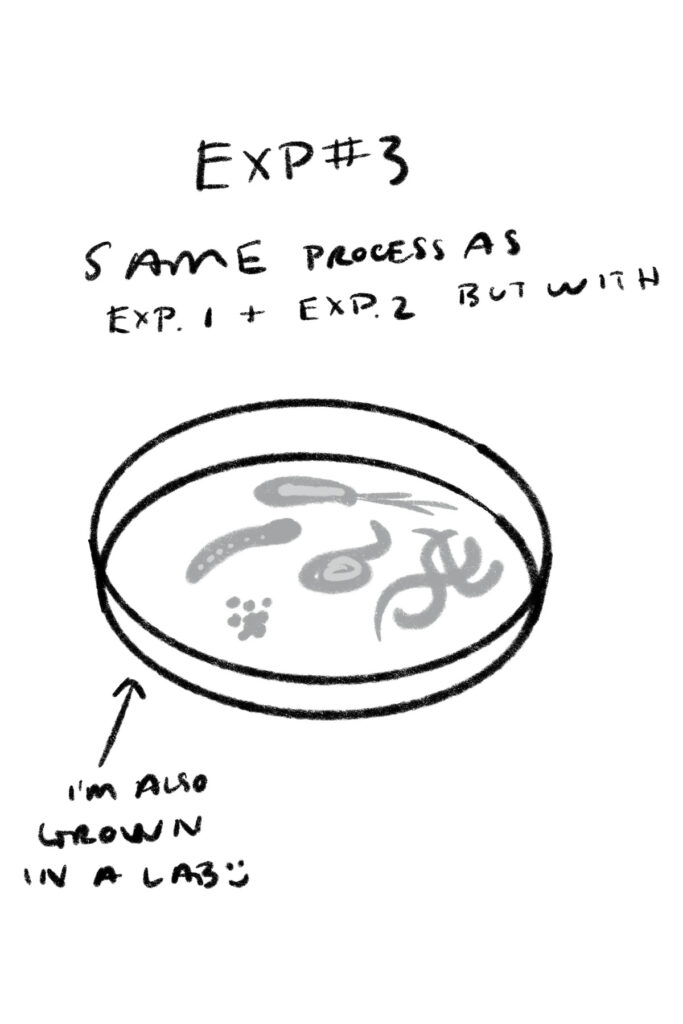
We knew that bacteria in the gut can produce volatile organic compounds that interfere with healthy microbes and can cause disease. But we wanted to know if we could identify those compounds in breath. To answer this, we conducted a series of experiments. As part of a clinical study, I helped analyze breath and the gut microbes from children’s stool samples to see if the compounds exhaled in breath are associated with those in the gut, and they were.
We took it a step further and found that breath samples from children with asthma may predict the presence of harmful bacteria linked to the condition. We hope that such findings will lead to a quick, non-invasive breath test to monitor and diagnose gut health issues. It’s all very exciting, and I would like to continue with this research.
Why did you want to specialize in pathology?
As a pathologist, I’ll be analyzing specimens like tissues, cells and body fluids to diagnose diseases while investigating their causes and consequences. It is like a puzzle I can help solve by collaborating with a wide range of scientists and clinicians. WashU Medicine has always put a high priority on working with peers, including those in different departments, schools and even institutions. Sharing expertise and skills encourages problem-solving and innovations that can lead to improved patient care.
Research is critical for medical advancements. What is an important aspect of the research process that the public must understand?
The processes of discovery and development often take unpredictable and inconvenient turns. Not to mention, the process is often subject to influences outside of a scientist’s control. Academic medical research can be so foundational that it doesn’t link directly to a pathology or therapeutic, yet it is still a necessary step in the process. You must first ask the question and see where the paths take you. Sometimes, that path can lead to nowhere. But disproving a theory is also an important step in moving a project forward and motivating new avenues of exploration.