While other high schoolers spent their weekends debating fantasy football picks or teaming up in online games, Hongzhe (Zachary) Wen was studying financial markets, trading cryptocurrency and building his portfolio one careful decision at a time.
Early on, Wen discovered he had a knack for understanding the market. But his hobby was very time-consuming.

“Doing manual trades takes a lot of time. I would sit in front of my computer for days, never going anywhere else, studying how the lines were moving, how the market was going, and reading the news. It occurred to me that there had to be a way to automate trades and make my work more efficient. That’s what led to my interest in financial engineering,” Wen said.
Wen plans to graduate in May with a bachelor’s degree in finance and financial engineering from Olin Business School. Financial engineering uses mathematical methods, computational algorithms and engineering tools to build models that will optimize and automate trades — essentially turning market intuition into action. After interning at well-known cryptocurrency company Coinbase, Wen plans to begin his career there as an institutional sales analyst.
At WashU, Wen’s interests evolved into a mission. Wen wanted to do more than make money. He wanted to prove that cryptocurrency has practical applications that can transform how financial markets function by improving transaction efficiency while maintaining the safety of traditional payment methods. To make that case, he would need more than trading success. He would need the research to prove it.
Below, he discusses his research and what the future holds.
What inspired your interest in cryptocurrency?
I learned about cryptocurrency from my dad, who worked as a crypto miner. At the time, cryptocurrency was an emerging field that not many people were taking seriously. When people think of cryptocurrency, they think of scams or a quick way to make money. But I recognized the potential for it.
What led to your interest in research?
As a freshman in high school, I worked with my teacher, Xuan Luo, on a material science paper that we published in the peer-reviewed journal Applied Sciences. I thought it was so cool to be able to validate your idea in a theoretical framework.
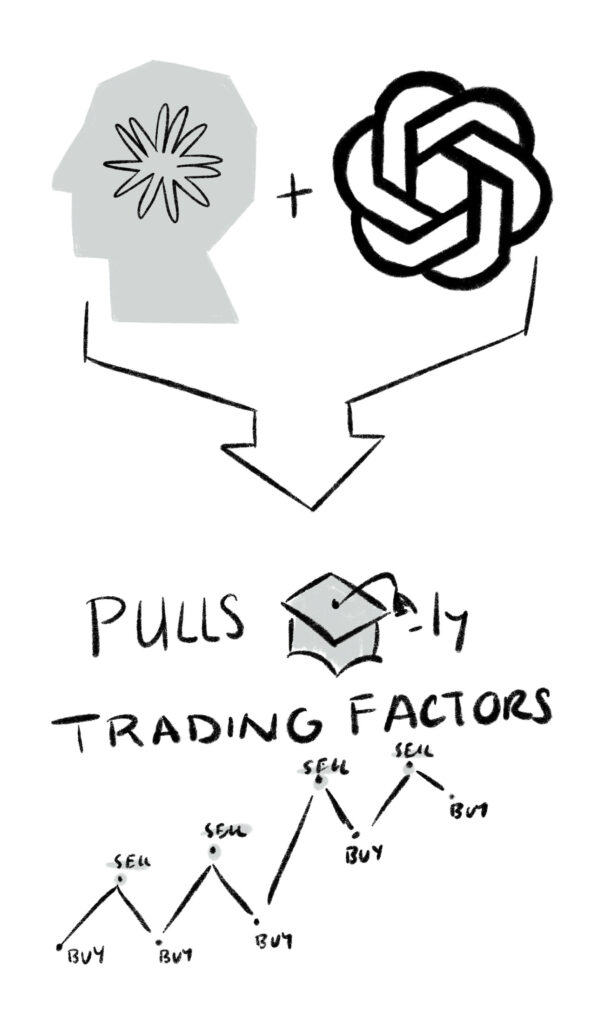
That experience changed how Wen thought about trading, as the markets became a source of research questions.
During my time at WashU, I’ve authored or co-authored four scholarly papers that are under review and have several others in the works. Collectively, my research demonstrates the potential for integrating digital assets into the financial mainstream while addressing associated risks through innovative and adaptable approaches.
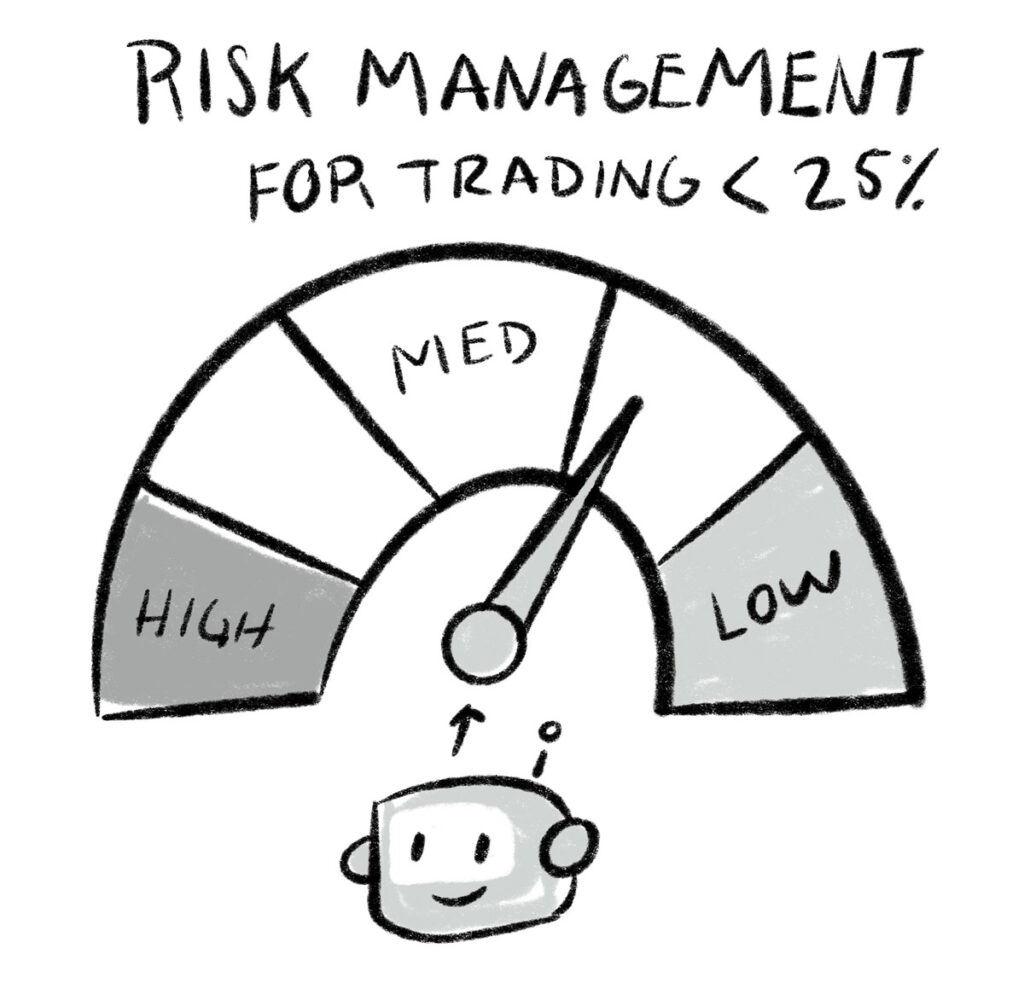
Specifically, I’ve proposed a hybrid financial model that combines traditional banking safeguards, like central bank reserves, with digital finance technologies to enhance systemic resilience and stability. My work also emphasizes the importance of developing robust risk management strategies, whether through conservative treasury policies, adaptive strike selection in options trading, or liquidity backstops for stablecoins.
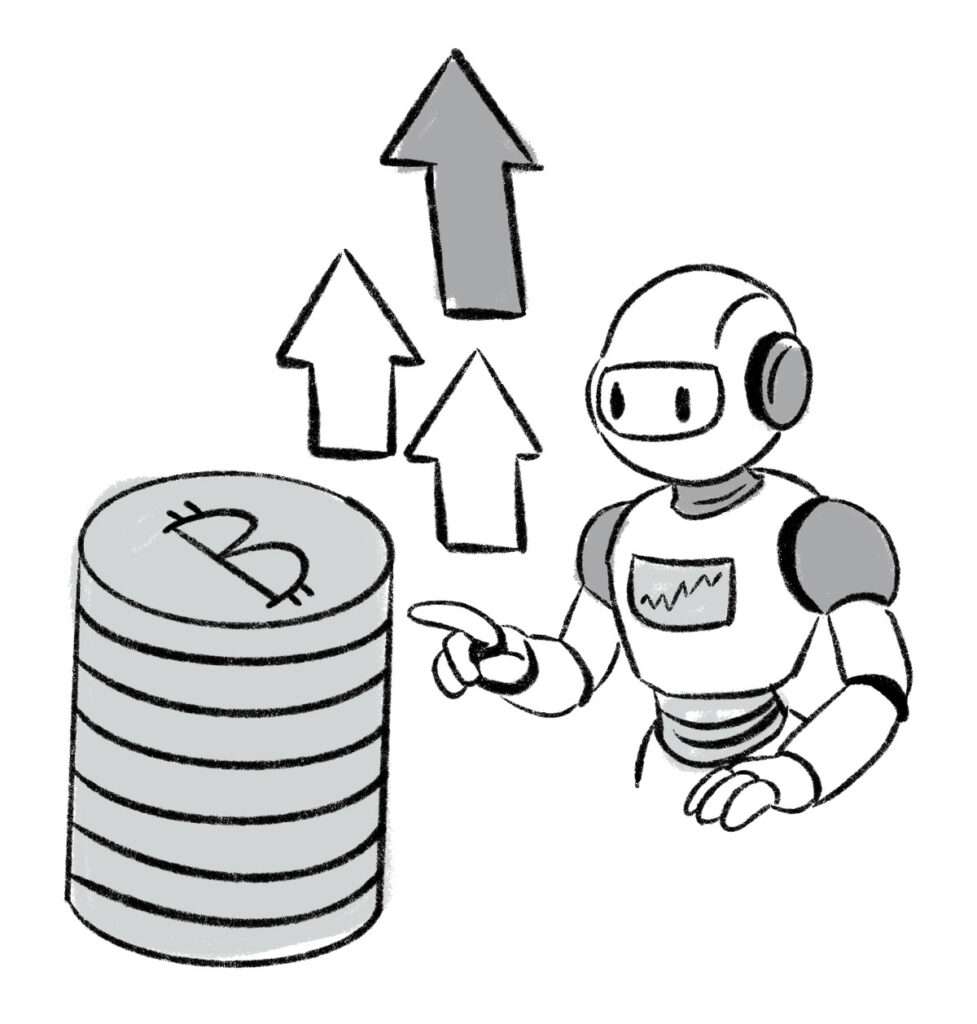
I’ve also built and tested an automated cryptocurrency trading bot that uses quantitative strategies — such as momentum, grid and sector-specific trading — to optimize portfolio performance and strategy. The bot reduced the drawdowns of the portfolio by 15%.
How has WashU helped you reach your goals?
My adviser, Anna Russo, has been super supportive. She was one of the first people to show interest in my work. She encouraged me to pursue my research questions and helped connect me with faculty members, like Grant Clayton and Sakya Sarkar, who shared my interest in cryptocurrency. They’ve really guided me through the ideas I had about research and startups.
WashU’s overseas program was really special, too. As an exchange student in the AsiaPac Internship Program, I spent time at the University of Technology Sydney in Australia and the Hong Kong University of Science and Technology last spring. This gave me the chance to collaborate with other scholars and people working on cryptocurrency and foreign exchanges outside of school and the U.S.
Do you think you’ll ever pursue a doctorate since you enjoy research so much?
I do not plan to get a PhD at this point. I want to start my own company, so an MBA would be more helpful. I will never stop doing research, though. I believe conducting research is the most efficient way to acquire knowledge, especially in a rapidly evolving field like cryptocurrency. So, from that perspective, I will still do as much academic work as possible.