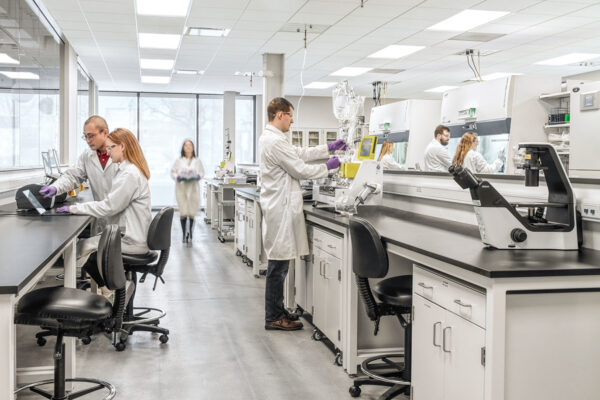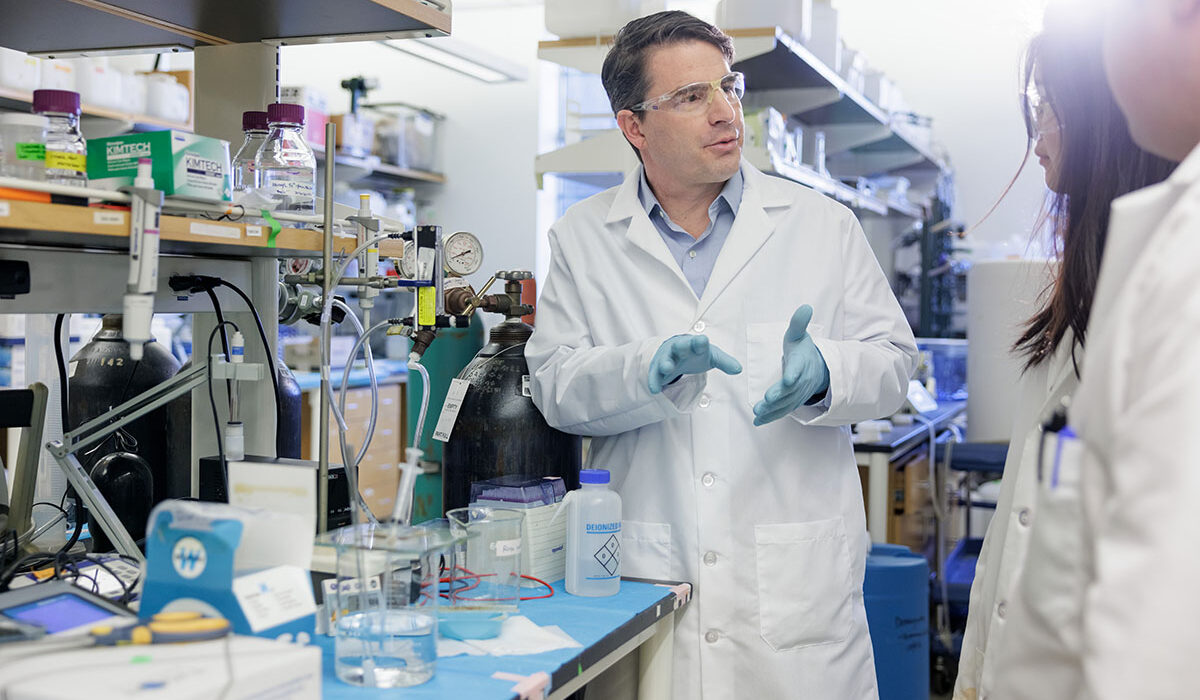
A leading employer and investor in the St. Louis region, Washington University in St. Louis contributed $9.8 billion to the local economy in fiscal year 2025, which ended in June. WashU also brought more than $1 billion in external research dollars to the region, money that has led to significant advances in medicine, technology and public health as well as new jobs and businesses in the region.
“As one of the largest employers in the St. Louis region, we’re proud to be an economic anchor, attracting talent to the region, providing and supporting thousands of jobs and partnering with local organizations to strengthen the fabric of our community,” said Chancellor Andrew D. Martin. “That local impact is amplified by the federal funding we receive, which makes it possible for us to continue advancing our mission in service to both our region and the nation.”
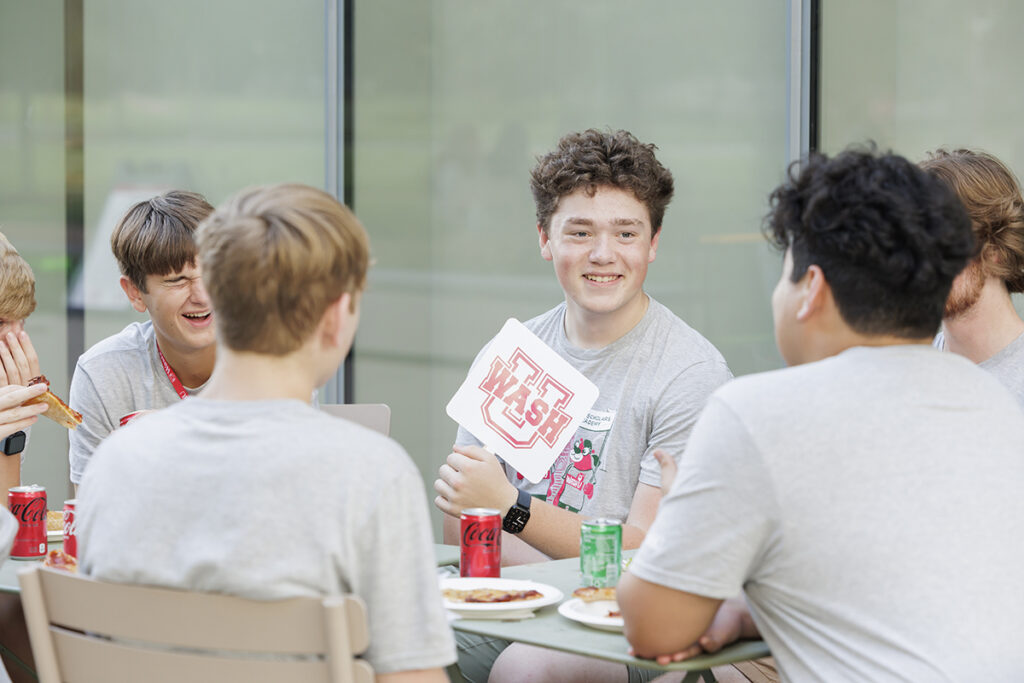
In 2025, WashU directly contributed $4.1 billion to the local economy, including $2.6 billion in employee salaries, $334 million spent on local goods and services and $196 million on construction. In addition, WashU students spent $217 million at local businesses. Every dollar WashU spends in the community generates another $1.25 in regional economic activity.
In addition to bolstering St. Louis’ economy, the university enriches its residents as an employer and an educator. With 23,434 employees, WashU is the region’s second-largest employer. WashU also provides a range of educational opportunities to its neighbors, from the College Prep Program and Rural Scholars Academy, which help high school students navigate the college application process, to the School of Continuing & Professional Studies, which offers degrees and certificate programs to learners who are balancing their education and professional development with work and personal responsibilities.
The university also has expanded access to students in the region through its no-loan financial aid policy and the WashU Pledge, which provides a free WashU education to lower-income students from Missouri and southern Illinois. In 2025, the average aid package for students from Missouri and southern Illinois totaled $66,918. Meanwhile, the WashU Pledge has served 351 students since its launch in 2020.
A trusted provider for health care, WashU Medicine physicians deliver care at BJC HealthCare’s nationally ranked Barnes-Jewish and St. Louis Children’s hospitals and the nationally ranked Siteman Cancer Center. They also serve patients at BJC’s 12 community hospitals and more than 130 WashU Medicine clinical locations across Missouri and southern Illinois. In 2025, WashU Medicine providers cared for patients in more than 3.4 million visits, including 1,898,728 for outpatient specialty care, 1,054,333 for inpatient care at BJC hospitals and 471,561 for community-based primary care. One of those patients was Martin Mwita Jr., the first patient in the St. Louis region to receive an innovative gene therapy for sickle cell disease.
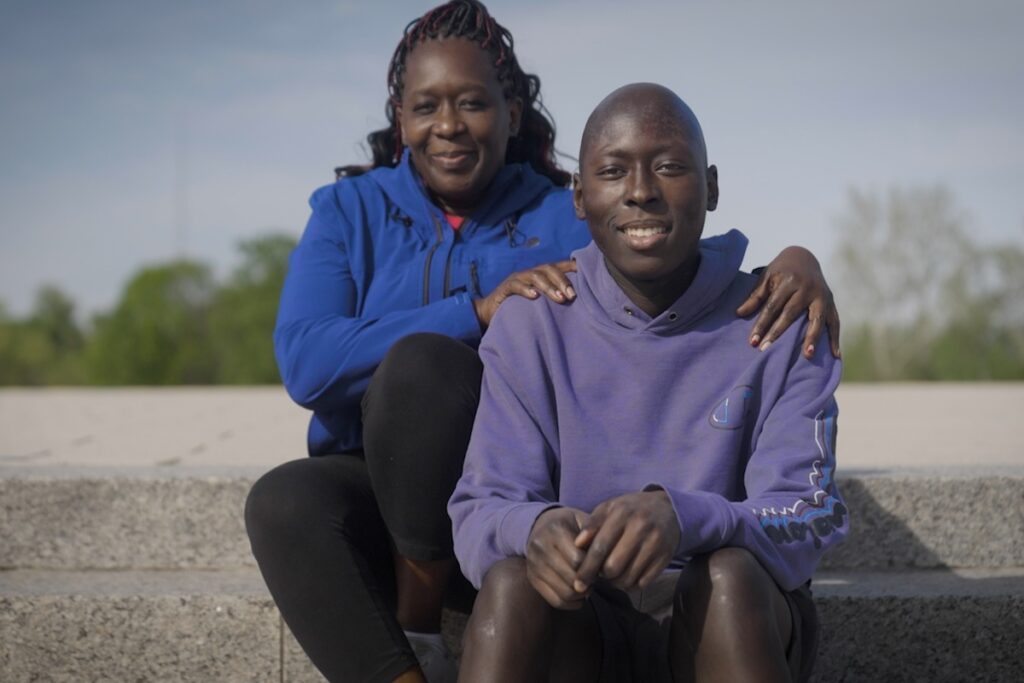
“WashU is leading the way in bringing groundbreaking therapies to our patients,” said David H. Perlmutter, MD, executive vice chancellor for medical affairs and the George and Carol Bauer Dean of WashU Medicine. “Our goal is to ensure that the benefits of world-class discovery reach every patient, every family and every community we serve.”
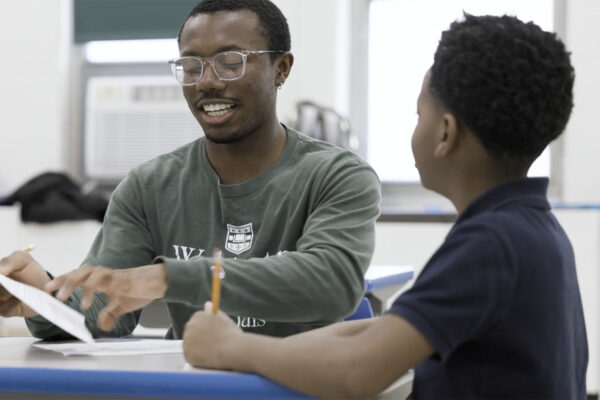
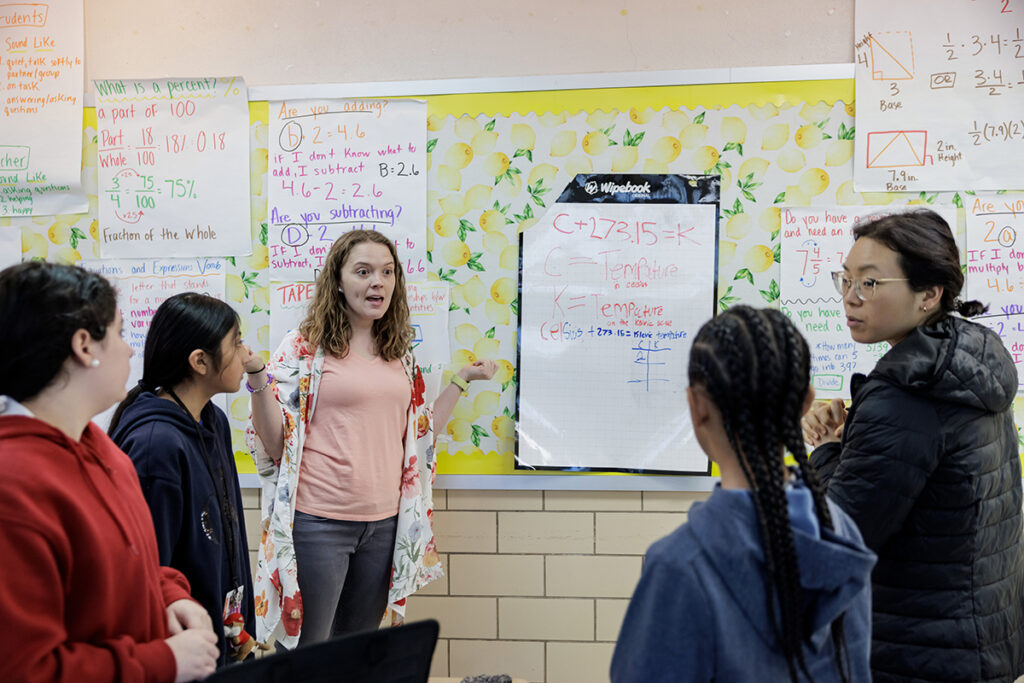
In 2025, WashU continued to work alongside educational institutions, nonprofits and neighborhoods to strengthen the region’s physical, civic and cultural infrastructure. One example is WashU’s Institute for School Partnership, which supported more than 5,000 educators and 189,000 students through quality instructional programs such as mySci and Math314.
“If you want a great city, you have to have great schools, and the way you do that is one teacher, one educator, one school at a time,” said Victoria May, ISP executive director. “It takes time and trust to build relationships that are authentic and sustainable. You have to show up in a spirit of collaboration.”
In addition, WashU partnered with Great Rivers Greenway to plan the Brickline Greenway; Forest Park Forever to transform historic Steinberg Rink; Integrated Health Network to provide accessible and affordable health care to medically vulnerable St. Louisans; and Go! St. Louis to stage the annual Greater St. Louis Marathon. Other partners include Arch Grants, Bi-State Development, College Bound, the Donald Danforth Plant Science Center, the Missouri Botanical Garden and the Saint Louis Zoo.
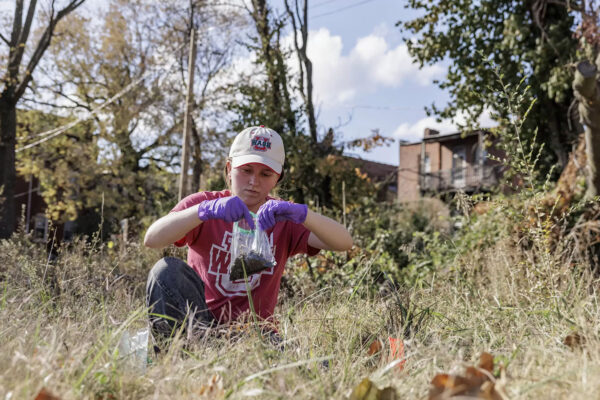
WashU also stepped up to help neighbors in the aftermath of the deadly May 16 tornado, organizing 15 community outreach projects and donating 1,148 volunteer hours. That commitment continues today with the launch of CLEAN STL, which is assessing soil and air quality in areas affected by the tornado. CLEAN STL is the inaugural project of the WashU Public Exchange, a new initiative of the Brown School.
“We bring together WashU’s best minds and ideas that can move the needle for St. Louis and beyond. It truly exemplifies how a university can partner authentically with its home city to turn research into actionable solutions,” said Dorian Traube, the Neidorff Family and Centene Corporation Dean of the Brown School.
Chancellor Martin said WashU students, faculty, physicians and employees will continue to seek ways to strengthen the St. Louis region in the ongoing fiscal year even as it navigates unprecedented struggles, including cuts in federal funding, a new endowment tax and structural budget challenges that led to job cuts.
“It’s no secret we face challenging times and widespread pressures across higher education,” Martin said in an earlier message to the WashU community. “While there are many uncertainties, I believe in WashU’s strength as an institution and especially in its people. I am proud of what we’ve accomplished during the past six years and of what we will achieve next together.”
To learn more about WashU’s impact, read the Community Impact Report.