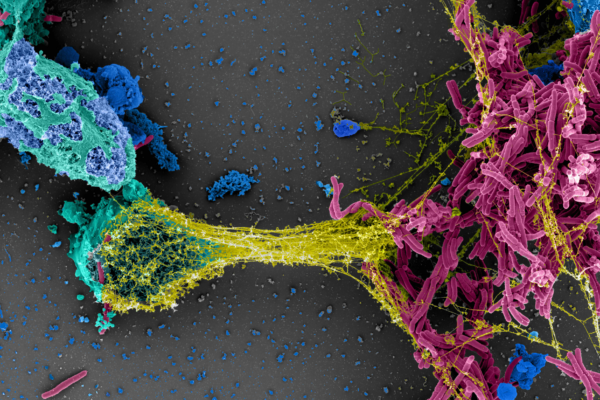
New Transcend Initiative to address mycobacteria threats
A new Transcend Initiative seeks to address and fight life-threatening mycobacterial infections.
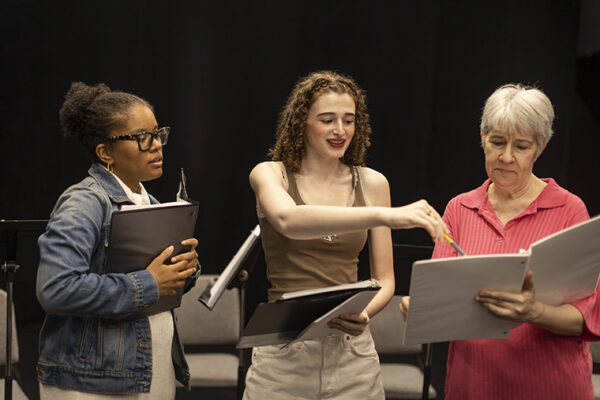
Hotchner Festival highlights WashU playwrights
Three new plays by Chinonso Anyanwu, Anna Schwartz and Frauke Thielecke will receive world premiere staged readings Sept. 19 and 20 as part of the 2026 A.E. Hotchner Playwriting Festival.

American parents need comprehensive work-family plan
A reported proposal by Vice President JD Vance redirecting childcare subsidies to married couples with a stay-at-home parent will not address fundamental challenges in the market, including soaring costs and limited availability, according to WashU sociologist Caitlyn Collins.

The student becomes a master
Three-time WashU alumnus S. Hassan A. Akbari credits the connections he maintained with mentors for shaping his career in medicine.
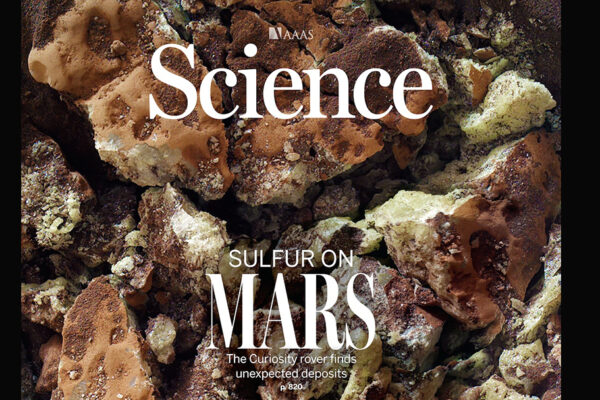
Pristine sulfur preserves a snapshot of ancient Mars
WashU researcher Scott VanBommel led the team studying the Curiosity rover’s unexpected discovery of pure sulfur, which offers new clues to conditions on Mars roughly 3 billion years ago.
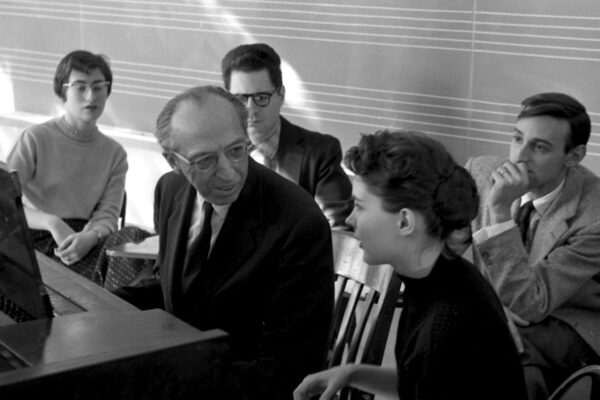
The day Aaron Copland came to town
Ronald Krieger, AB ’59, shares a vivid memory of meeting composer Aaron Copland at WashU in 1958.
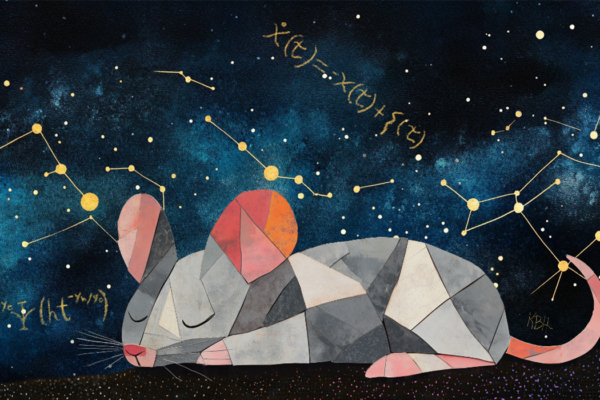
Catching ZZZs
Biologist Keith Hengen’s research is getting deeper into sleep, unraveling the great mystery of slumber’s purpose in the brain and the body.
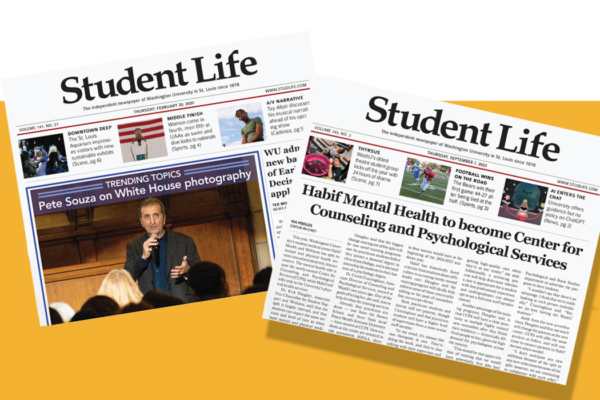
Above the fold
The journalists of WashU’s ”Student Life” take campus lessons into careers in national news.
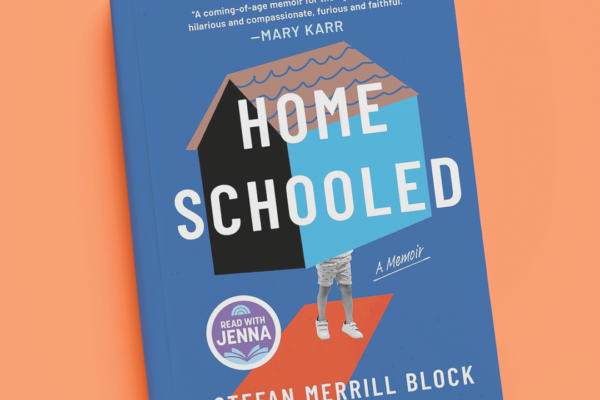
Boy, interrupted
“Homeschooled,” by Stefan Merrill Block, AB ’04, sheds a heartrending light on his educational upbringing.
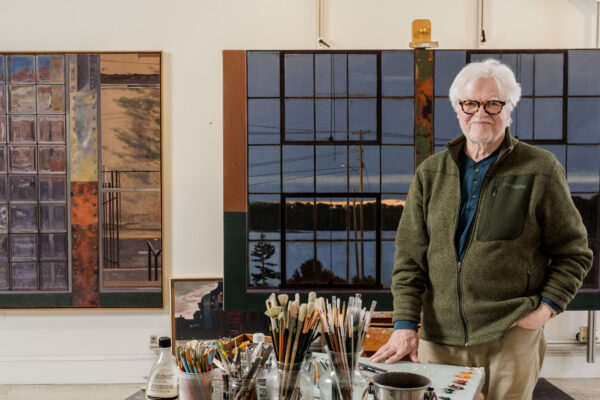
The artist’s way
WashU was a window to the world in the acclaimed career of contemporary painter John Moore.
View More Stories