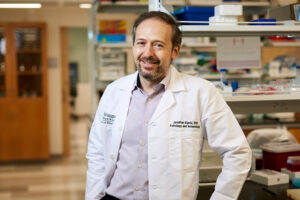
Jonathan Kipnis, a professor and a BJC Investigator at the School of Medicine, has been named an academic editor of the Journal of Experimental Medicine.
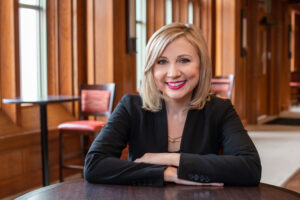
Amanda Pope carries the mission of the university in her leadership role. She shares how her journey from cancer diagnosis to survivorship inspired her to serve the employees who keep the university running smoothly.
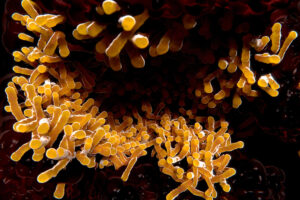
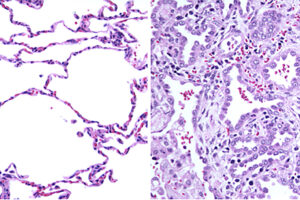
Researchers at Washington University School of Medicine have discovered a molecule in the lungs of tuberculosis (TB) patients that reflects the levels of TB-causing bacteria in the lungs. The findings may represent a step toward more tailored treatment regimens and better patient outcomes.
Randall Martin, at the McKelvey School of Engineering, was awarded a three-year NASA grant to analyze fine particulate matter data, work that will help in air quality management.
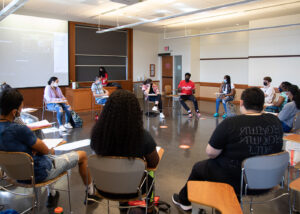
This year’s Day of Dialogue and Action sessions will be held virtually March 29 and 30. They will address the university’s commitment to diversity, equity and inclusion during the COVID-19 pandemic.
Greet students by name. Avoid grading on a curve. Try not to schedule exams right after a break. A new guide from the Center for Teaching and Learning at Washington University in St. Louis offers instructors concrete ways to support students’ well-being without adding to their workload.
New research from Washington University School of Medicine has solved the medical mystery of why a 2-year-old child — seemingly healthy at birth — succumbed to an undiagnosed rare illness.
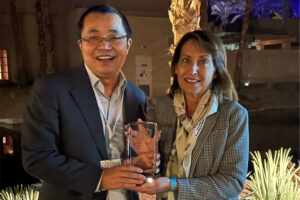
Lori Setton at the McKelvey School of Engineering was recognized by the Biomedical Engineering Society for excellence in leadership and service to the cell and molecular bioengineering community.
The Women’s Society of Washington University seeks nominations for the Harriet K. Switzer Leadership Award, given to graduating senior women who have made a significant contribution to WashU. The nomination deadline is Feb. 11.