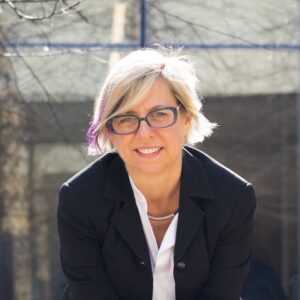
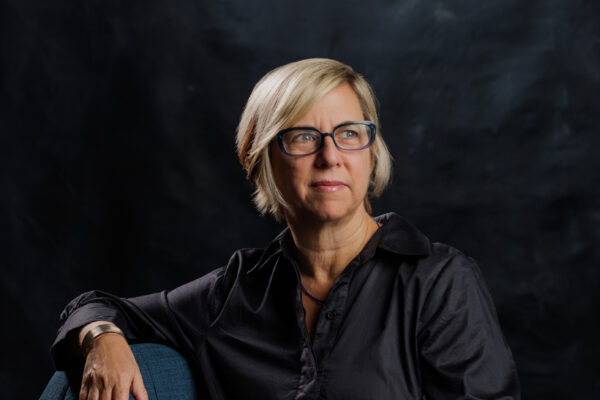
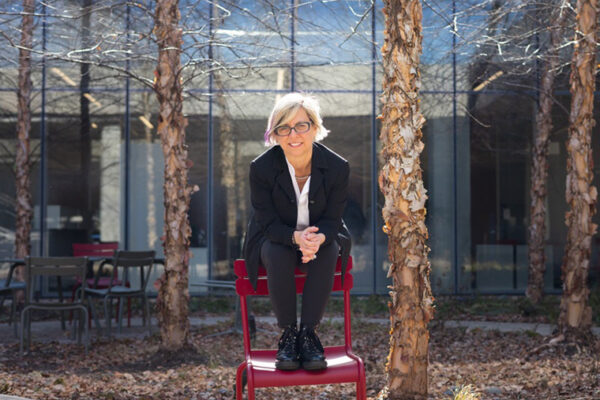
Samuels teaches architecture and urban design studios and seminars on infrastructural urbanism, urban history and theory, and alternative sustainability metrics. She is the founder and director of Infra_OPTS, an independent consulting firm working in St. Louis and Los Angeles focused on the design, mapping, and metrics of public infrastructure to create more equitable cities. She is currently developing an infrastructure equity scorecard pilot project with the Los Angeles Bureau of Engineering and Mayor’s Office.
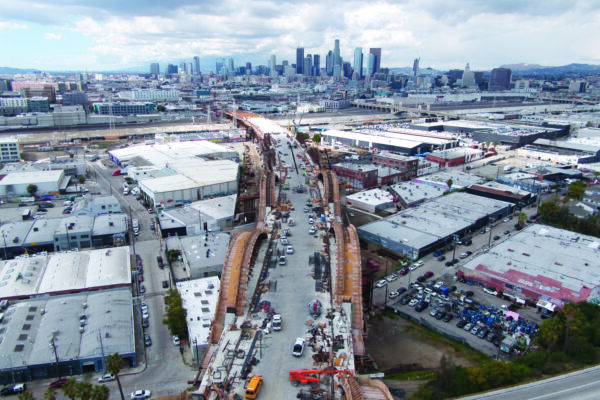
Samuels was co-principal investigator on a grant from The Divided City initiative, funded by the Mellon Foundation, entitled “Mobility For All By All”, which aims to increase the social and environmental benefits of the multibillion-dollar proposed St. Louis MetroLink expansion for residents living along the alignment. Emphasizing innovative challenges and real-world collaboration in her teaching, recent studio partners have included the Land Art Generator Initiative at Fly Ranch, Virgin Hyperloop One (Los Angeles/Las Vegas), Food Forward (Los Angeles), and local partners Bi-State Development Research Institute (St. Louis) and Dutchtown South Community Corporation (St. Louis).
The MAK Center for Art and Architecture and the SOM Foundation have named Linda C. Samuels, a professor and chair of urban design at the WashU Sam Fox School, as 2026 researcher-in-residence.
As St. Louis continues to rebuild following a massive tornado in May 2025, Linda C. Samuels considers what matters most for successful recovery.
Linda C. Samuels, a professor and chair of urban design in WashU’s Sam Fox School of Design & Visual Arts, has been named the school’s inaugural director of sustainable design and environmental justice.
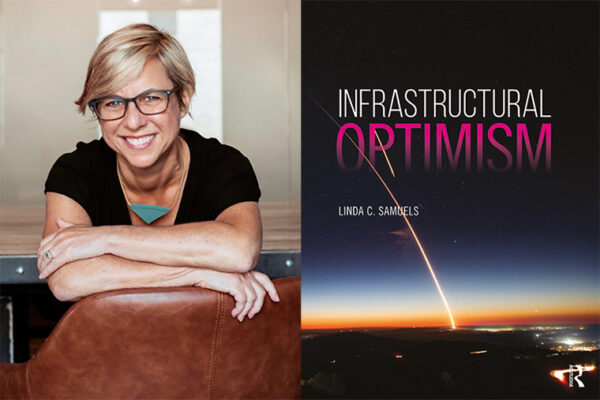
“Infrastructural Optimism” by Linda C. Samuels, a professor of urban design at the Sam Fox School of Design & Visual Arts, has been long-listed for the inaugural Pattis Family Foundation Global Cities Book Award.
In cynical times, optimism gets a bad rap. But in her new book “Infrastructural Optimism,” Linda C. Samuels argues that optimism is not simply a reflexive emotional state, but a critical driver of public investment, societal progress and — perhaps — democracy itself.
With speeds of nearly 700 miles per hour, hyperloop technology has the potential to revolutionize land-based transportation. But with that revolution comes new challenges for both urban destinations and rural environments. This spring, students and faculty from the Sam Fox School of Design & Visual Arts worked with Virgin Hyperloop One to investigate the impacts and potentials of the proposed Missouri route from St. Louis to Kansas City.
The sharing economy is revolutionizing how consumers engage services and utilize resources. Could it also help solve the problem of hunger?