
Rejuvenated immune cells can improve clearance of toxic waste from brain
Rejuvenating the immune cells that live in tissues surrounding the brain improves fluid flow and waste clearance from the brain — and may help treat or even prevent neurodegenerative diseases such as Alzheimer’s and Parkinson’s, according to a study by researchers at Washington University School of Medicine.
Thirsty wheat needed new water management strategy in ancient China
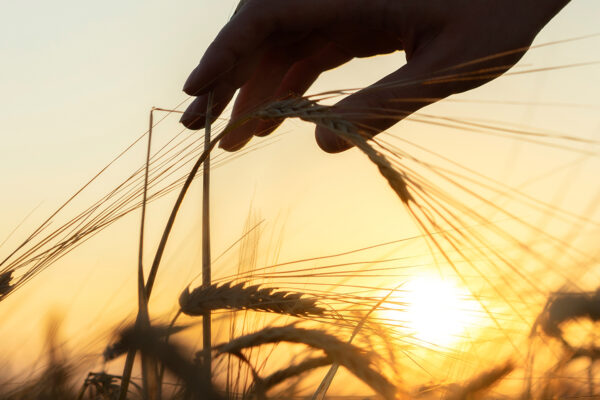
Research from the laboratory of archaeologist Xinyi Liu in Arts & Sciences shows that a practice of purposeful water management, or irrigation, was adopted to help cultivate wheat in northern China about 4,000 years ago.
Board grants faculty appointments, tenure
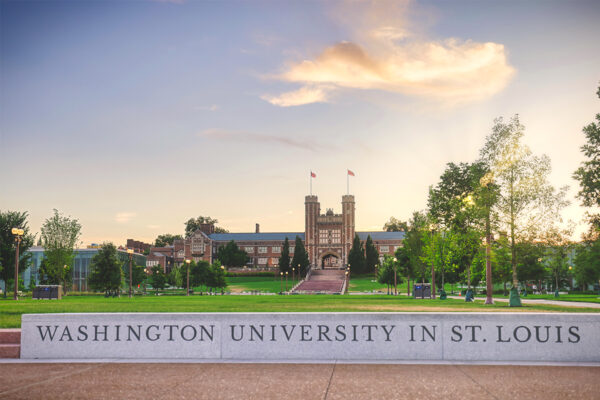
At the Washington University in St. Louis Board of Trustees meeting Oct. 7, numerous faculty members were appointed with tenure or granted tenure.

2022 Global Incubator Seed Grant winners announced
Twenty research projects involving Washington University in St. Louis faculty and international collaborators recently were funded through the Global Incubator Seed Grant program.

Occupational therapy clinic breaks ground in Delmar Maker District
Over the last year, a team of architects, medical professionals and engineers from Washington University in St. Louis and Chicago-based architecture firm Skidmore, Owings & Merrill have explored questions about building design and people’s health through interdisciplinary design studios and seminars. Now that research is bearing fruit. On Nov. 11, a new Smart Home for Occupational Therapy Healing — aka SMOOTH House — will break ground in St. Louis’ Delmar Maker District.

Researchers bring Body U to schools with HHS grant
The U.S. Department of Health and Human Services has awarded researchers Ellen Fitzsimmons-Craft and Denise Wilfley a grant to help improve outcomes for eating disorders in adolescent girls.

Election Day is Nov. 8
On Election Day is Tuesday, Nov. 8, and the Athletic Complex is ready to welcome students, faculty and staff who are registered to vote in St. Louis County. Polls are open from 6 a.m.-7 p.m. Also, join in a party with live music and free food.
Understanding, treating pain, reducing opioid use, aim of $11.7 million grant
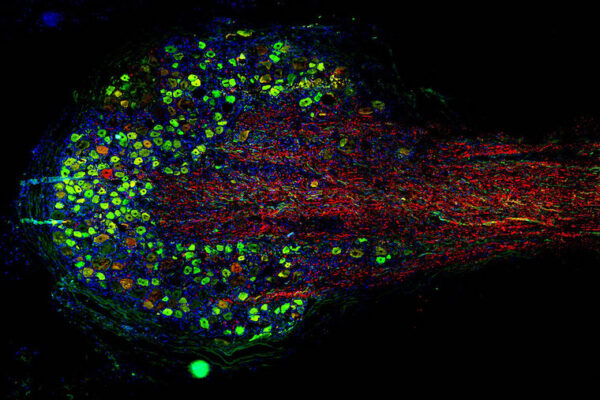
School of Medicine scientists have received a five-year $11.7 million grant to study human genes and nerve cells to better understand how cells transmit pain and to find new ways to treat it.
Center for Biomolecular Condensates launches
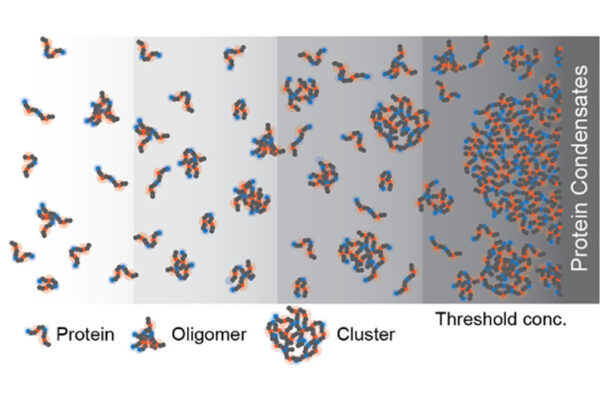
A new multidisciplinary center focused on biomolecular condensates — distinct molecular communities that make up the building blocks of life — has launched at the McKelvey School of Engineering.

Twitter controversy highlights corporate brand risk
If changes at Twitter conflict with businesses’ values, it’s time for companies to re-evaluate use of the social media platform, said Olin Business School marketing expert Michael Wall.
View More Stories