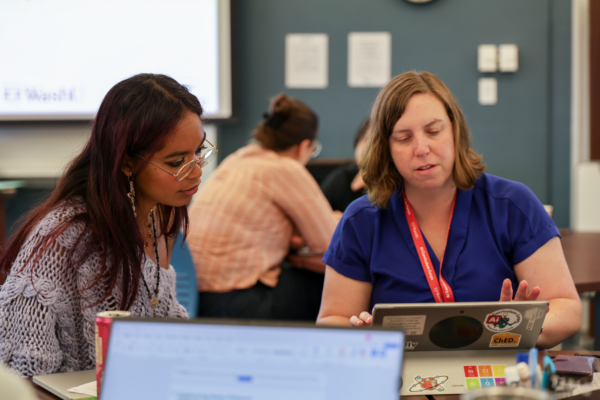
WashU builds momentum through AI initiative
As the fall semester approaches, WashU’s AI initiative is driving academic innovation across schools and disciplines.
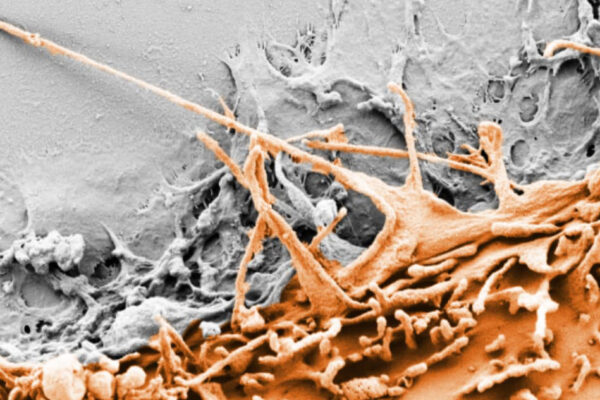
Tiny feet on cells sense defects, stall migration to heal wounds
Research from Amit Pathak’s lab at WashU McKelvey Engineering shows how cells can sense even the smallest defects, or micro-injuries — work that could help develop treatments for wound healing and cancer.

Bobick to conclude McKelvey Engineering deanship in 2027
Aaron F. Bobick, dean of the McKelvey School of Engineering and the James M. McKelvey Professor at Washington University in St. Louis, will conclude his deanship on June 30, after successfully serving the university for 12 years in his role, Chancellor Andrew D. Martin announced.
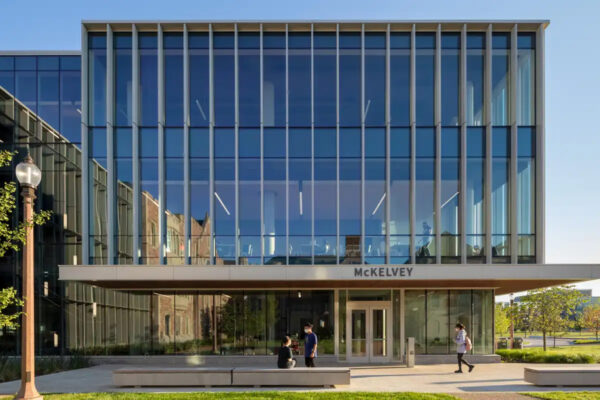
New master’s in artificial intelligence engineering offered at WashU
A new master’s degree in artificial intelligence engineering will be offered at WashU McKelvey Engineering starting in fall 2027.
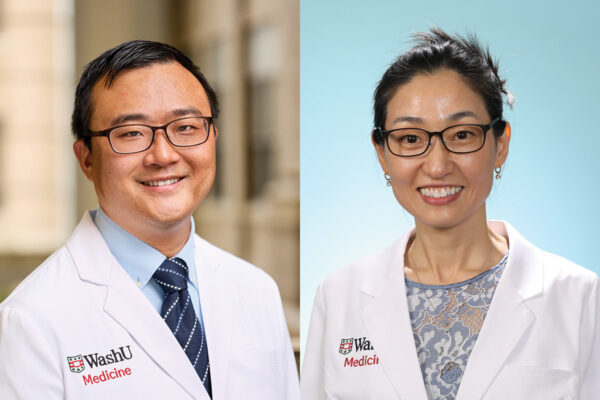
Lee and Lee honored with prestigious Cogan Award
WashU Medicine ophthalmology researchers Aaron Y. Lee, MD (left), and Cecilia Lee, MD, received the Cogan Award from the Association for Research in Vision and Ophthalmology for their contributions to vision science and ophthalmic research.
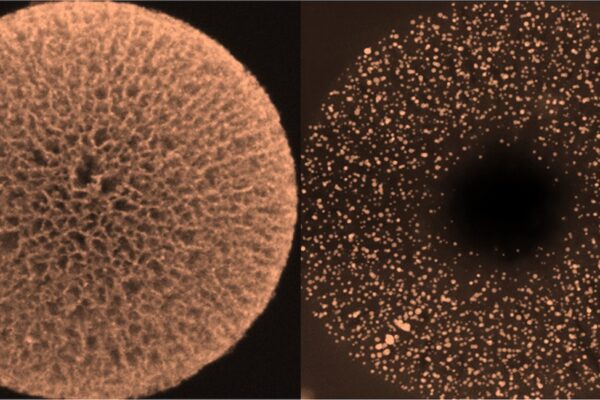
Platinum powers the future
Gang Wu at the McKelvey School of Engineering has developed a potential fuel-cell solution for powering data centers or transportation.
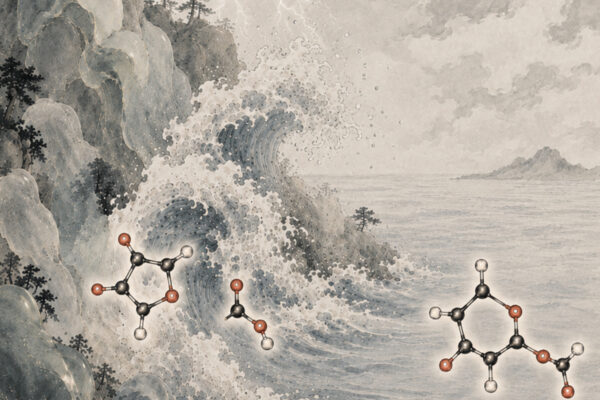
Biomolecular condensates reveal surprising activity as catalysts
WashU biomedical researchers Yifan Dai, Rohit Pappu and collaborators have discovered “condenzymes” that contribute biochemical functions in cells.

Activating glass for next-generation semiconductor substrates
WashU’s Sang-Hoon Bae plans to use glass to grow 2D crystals with a National Science Foundation CAREER Award.
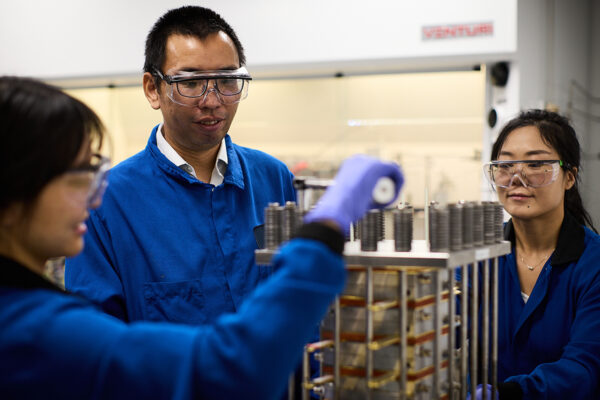
Reducing power temporarily improves carbon dioxide conversion
Research in Feng Jiao’s lab at WashU McKelvey Engineering has shown that modifying the power strategy with a catalyst can prevent damage without any loss in performance while also reducing costs in converting carbon dioxide to other useful chemicals.
Tendon variations’ effects on mechanics to get a closer look
WashU researchers have received a federal grant to study the mechanobiological properties of tendons, work that could help to prevent common tendon injuries as well as inform new treatment strategies.
Older Stories