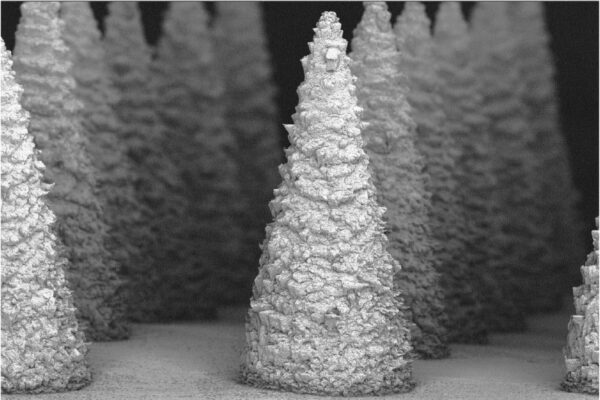
A painless punch with a microneedle patch could detect kidney disease earlier
New research from the lab of WashU McKelvey Engineering’s Srikanth Singamaneni shows the early success of a microneedle patch that can be applied on the skin to capture biomarkers of kidney injury. It may one day support home or point-of-care monitoring.
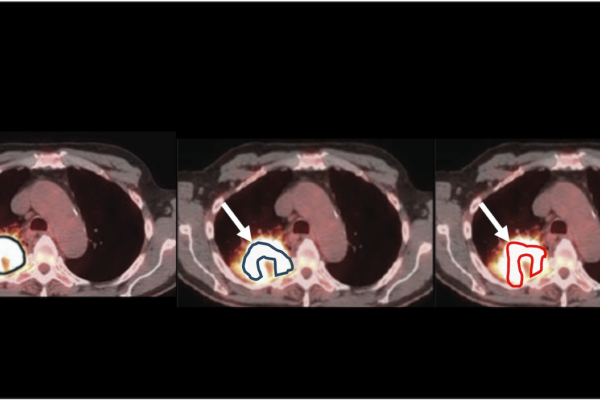
Technique evaluates reliability of imaging measurements used in medical decision-making
Advances in medical imaging and artificial intelligence have revolutionized many aspects of medical practice, but it can be hard to know if a given measurement tool works as intended. A technique developed by WashU researchers can be used to assess the reliability of quantitative imaging tools.

Sound waves turn porous materials into tiny pumps for drug delivery, filtration
McKelvey Engineering researchers, led by James Friend, have developed a device that uses sound waves to pump fluid through porous materials. Such a device could have uses from fuel cells to delivering drugs efficiently.
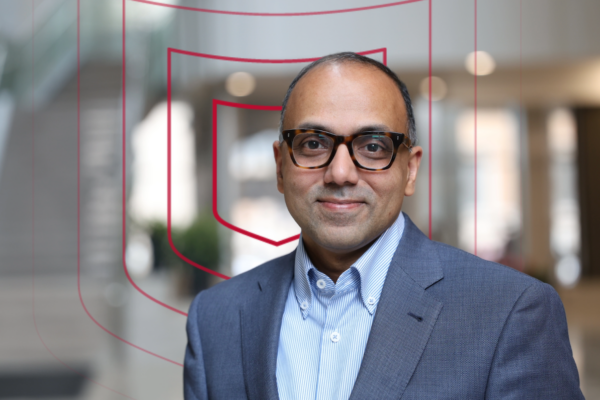
Kannampallil named editor-in-chief of premier informatics journal
Thomas Kannampallil, a professor of anesthesiology at WashU Medicine, is recognized for his expertise in AI-based technology designed to improve healthcare.

WashU builds momentum through AI initiative
As the fall semester approaches, WashU’s AI initiative is driving academic innovation across schools and disciplines.
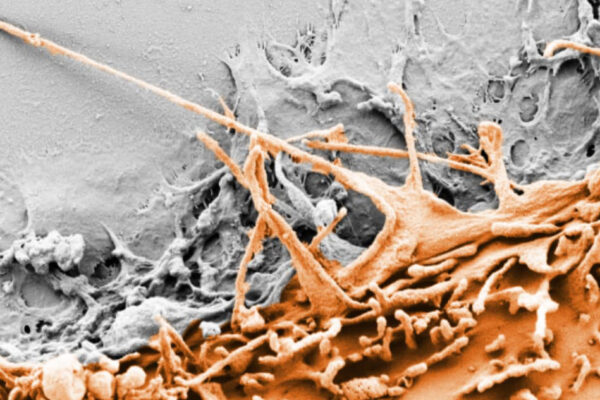
Tiny feet on cells sense defects, stall migration to heal wounds
Research from Amit Pathak’s lab at WashU McKelvey Engineering shows how cells can sense even the smallest defects, or micro-injuries — work that could help develop treatments for wound healing and cancer.

Bobick to conclude McKelvey Engineering deanship in 2027
Aaron F. Bobick, dean of the McKelvey School of Engineering and the James M. McKelvey Professor at Washington University in St. Louis, will conclude his deanship on June 30, after successfully serving the university for 12 years in his role, Chancellor Andrew D. Martin announced.
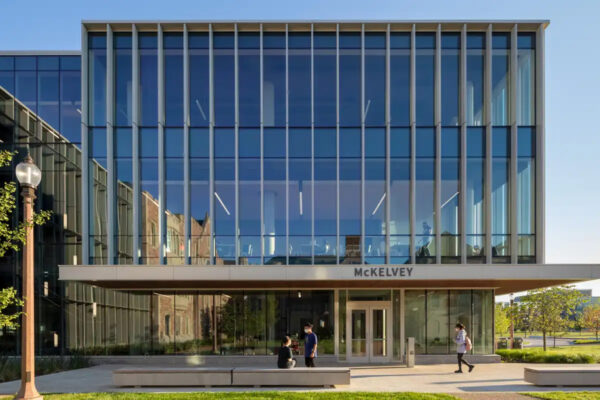
New master’s in artificial intelligence engineering offered at WashU
A new master’s degree in artificial intelligence engineering will be offered at WashU McKelvey Engineering starting in fall 2027.
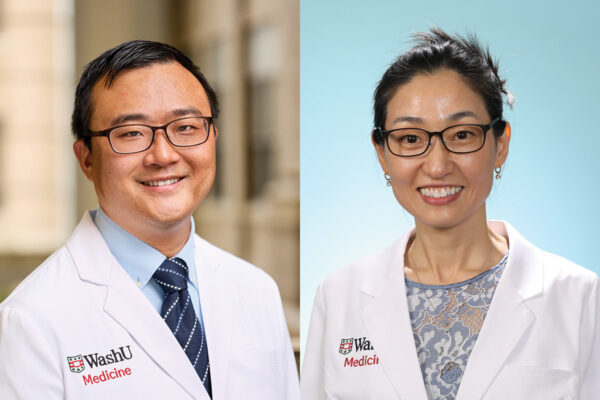
Lee and Lee honored with prestigious Cogan Award
WashU Medicine ophthalmology researchers Aaron Y. Lee, MD (left), and Cecilia Lee, MD, received the Cogan Award from the Association for Research in Vision and Ophthalmology for their contributions to vision science and ophthalmic research.
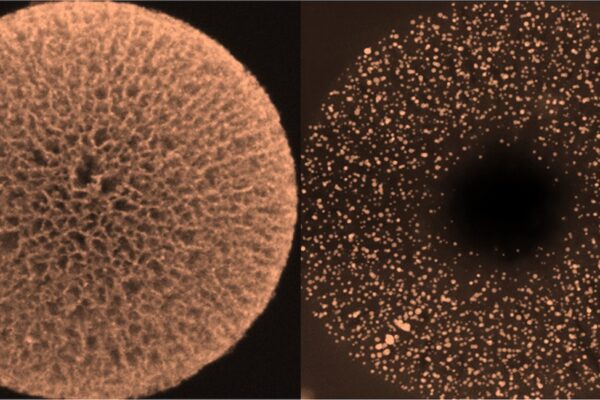
Platinum powers the future
Gang Wu at the McKelvey School of Engineering has developed a potential fuel-cell solution for powering data centers or transportation.
Older Stories