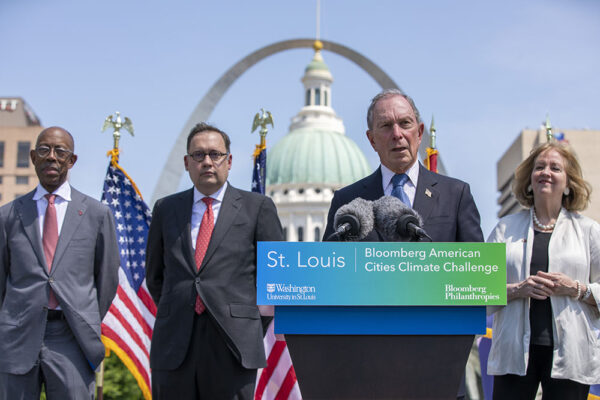
Bloomberg announces Midwestern Collegiate Climate Summit
Michael Bloomberg announced the formation and convening of the Midwestern Collegiate Climate Summit, to be held in early 2020, to focus on mitigating the effects of climate change. Washington University in St. Louis will serve as its anchor.
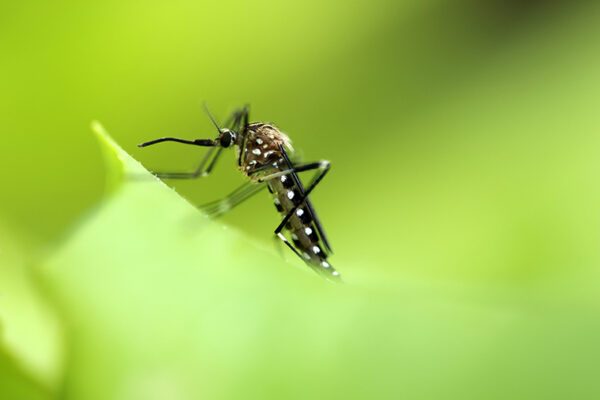
A tale of two skeeters
A native mosquito in Missouri has fewer parasites when it shares its waters with an interloper, according to new research from biologists at Tyson Research Center, the environmental field station for Washington University in St. Louis.
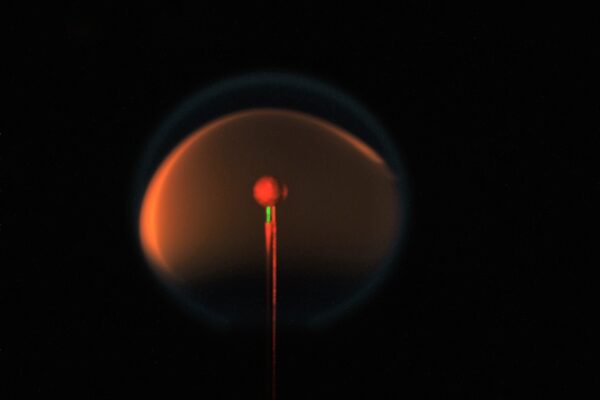
Flame design in space may lead to soot-free fire
Astronauts currently aboard the International Space Station have begun an experiment that will allow them to ignite a flame and observe and study its properties. If the experiments — directed by a McKelvey School of Engineering faculty member — show what researchers expect they will, they could lead to a new, fundamental understanding of the properties of combustion.
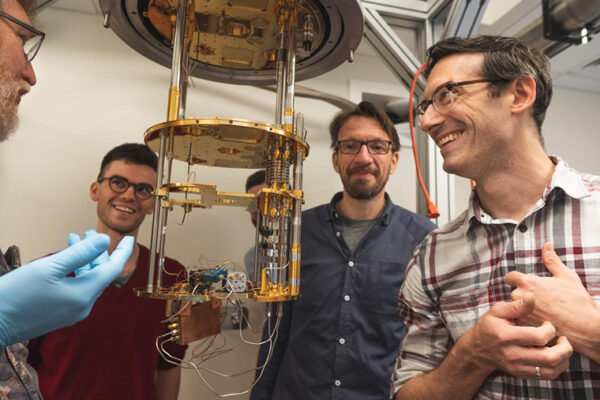
Center for Quantum Sensors tackles big questions
The university’s interdisciplinary Center for Quantum Sensors aims to harness the power of quantum mechanics to detect and decipher some of the universe’s greatest mysteries. The effort is timely as Congress recently approved a federal program supporting the development of quantum technologies.
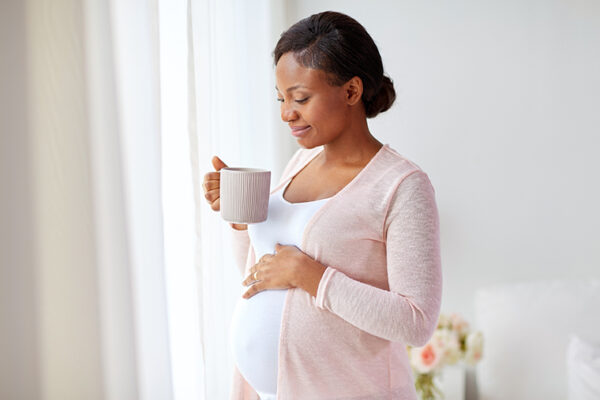
Pregnancy shifts the daily schedule forward
New research from Washington University in St. Louis finds that women and mice both shift their daily schedules earlier by up to a few hours during the first third of their pregnancy. The new study shows how impending motherhood induces changes in daily timing of a mother which, when disrupted, may put a pregnancy at risk, as reported in the Journal of Biological Rhythms.
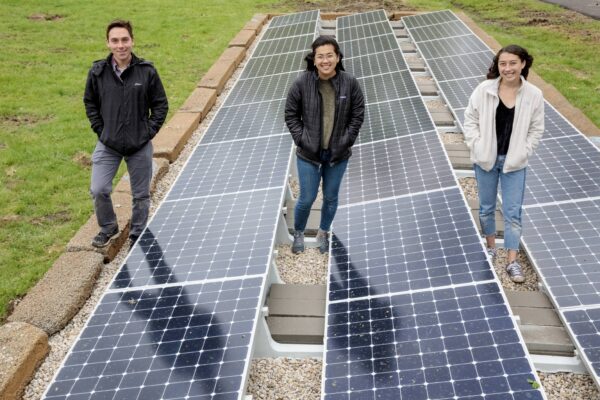
Expanding solar power at Tyson Research Center
A trio of engineering students at Washington University in St. Louis is helping to expand the solar power-generating capabilities at Tyson Research Center, which has frequent outages.

Researchers receive $3 million to study how adversity affects offspring’s health
Washington University in St. Louis psychology researchers Ryan Bogdan and Thomas Oltmanns received a federal grant totaling more than $3 million to study how adversity may perpetuate racial health disparities and health outcomes within families.
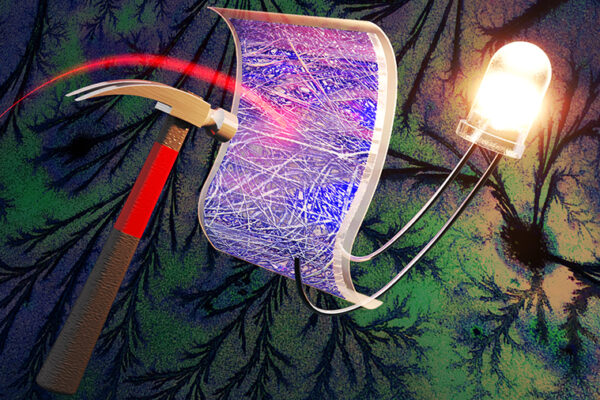
Takes a licking and keeps on storing
Researchers in Arts & Sciences made an energy storage device that can withstand a hammer striking it more than 40 times. The shatterproof supercapacitor is also nonflammable, unlike lithium-ion batteries. The new work is the cover story of the April 23 issue of the journal Sustainable Energy and Fuels.
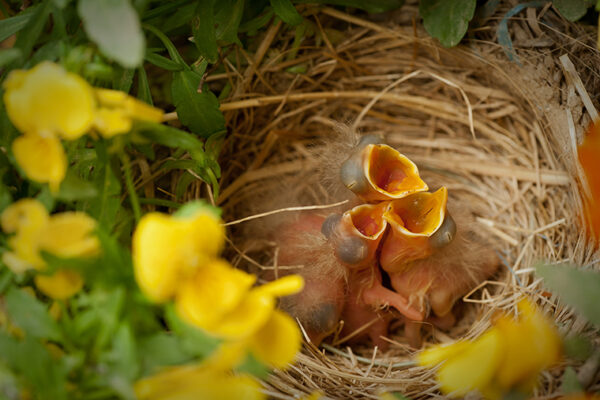
The kids are alright
A new study reveals the surprising way that family quarrels in seeds drive rapid evolution. Conflict over resources seems to play a special role in the development of certain seed tissues, according to Washington University in St. Louis research led by David Queller and Joan Strassmann in Arts & Sciences.
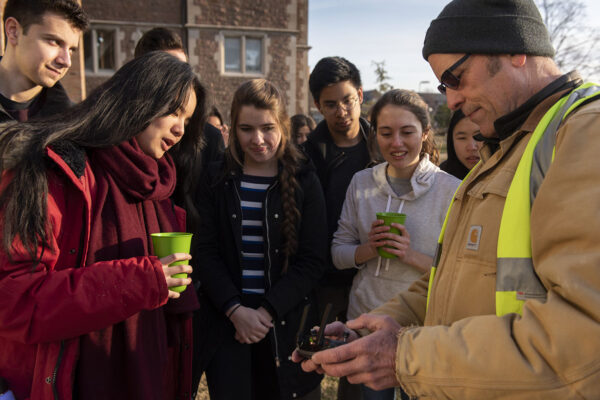
Students study bringing renewable energy home
The Office of Sustainability launched RESET, an innovative new program that provides students real-world experience in renewable energy, one of the fastest-growing sectors in the U.S. economy. Students from a range of disciplines have studied the engineering, policy and business aspects of installing solar power on the South 40.
Older Stories