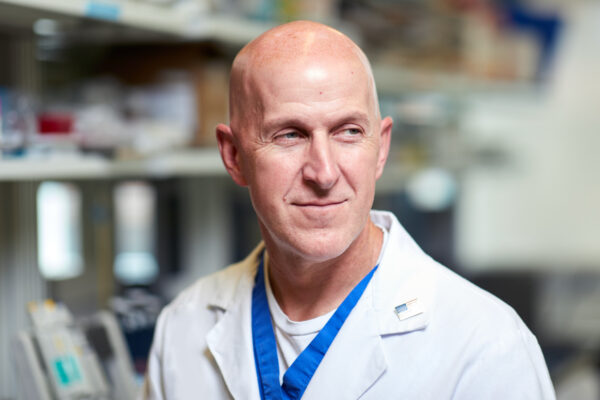
Zipfel elected president of Society of Neurological Surgeons
Gregory Zipfel, MD, head of the Taylor Family Department of Neurosurgery at WashU Medicine, has been elected president of the Society of Neurological Surgeons. His election continues a tradition of WashU Medicine leadership of the society dating back to 1920.
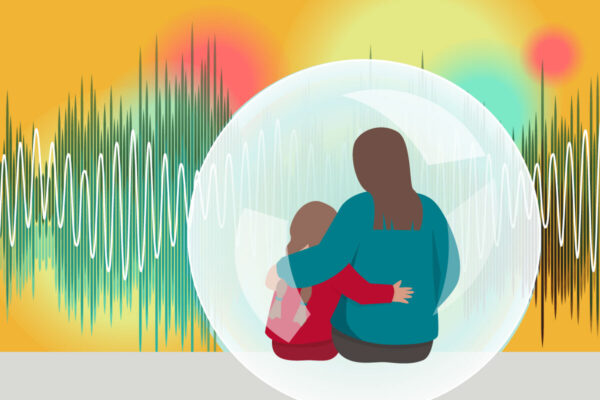
Sensory overload in kids has distinct neurobiological roots
A study led by WashU Medicine researchers finds that sensory distress is directly related to both autism and anxiety, but not ADHD. The research also identified distinct patterns of brain connectivity linked to sensory sensitivity.
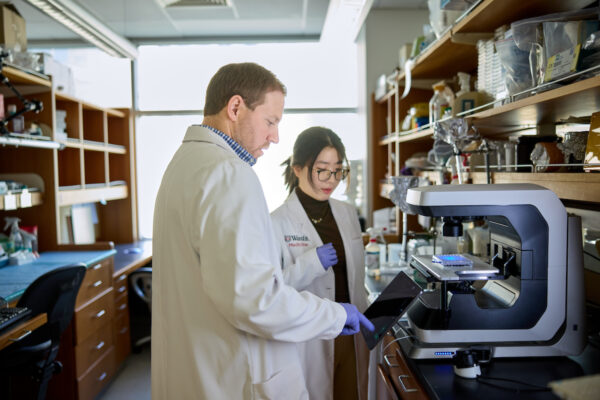
WashU announces new academic-industry collaboration with Bristol Myers Squibb
WashU and Bristol Myers Squibb have formed a multiyear collaboration to advance drug development projects in the neurosciences. WashU medical and research trainees will have opportunities to work alongside the company’s scientists at its facilities as part of the agreement.

Dementia rising across Latino populations, multidecade study finds
Research led by WashU Medicine neurologist Jorge Llibre-Guerra, MD, provides the first direct evidence that some parts of Latin America are moving in the opposite direction of dropping dementia rates in the U.S. and other wealthy nations.
DNA damage can trigger neurons to self-destruct
WashU Medicine researchers identified key details of how DNA damage can flip a nerve cell’s self-destruct switch. The new study could lead to novel routes to preventing neurodegeneration in a variety of diseases.
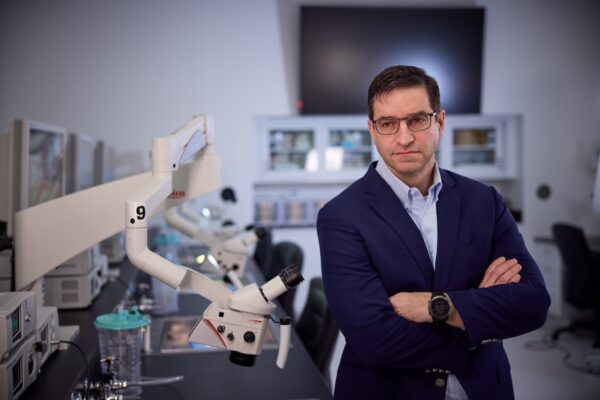
Aid for brain-bleed recovery receives FDA Breakthrough Device Designation
An earbud-like device from Aurenar, a WashU startup, is designed to improve stroke outcomes after a ruptured brain aneurysm. The technology is based on clinical trials led by WashU Medicine physician-scientists including Eric Leuthardt, MD.

Socioeconomic factors linked to lasting imprint in kids’ brains
A study led by WashU Medicine researchers shows that a family’s financial situation and the resources and opportunities in a child’s neighborhood had the strongest connection to brain development, accounting for 16% of the variability in measures of children’s brain function — far more than IQ, parenting style, health history or any other factor.
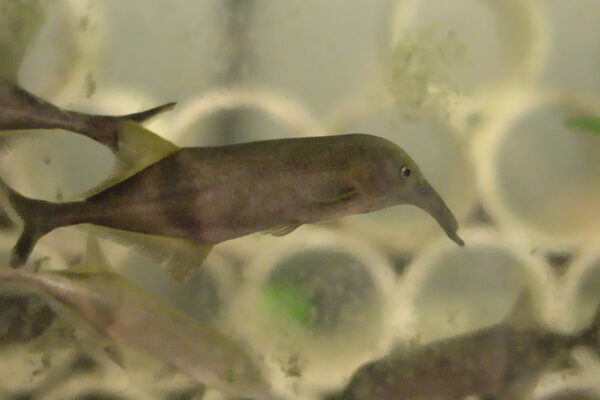
New research reveals how brains update their predictions
Researchers in Bruce Carlson’s lab at WashU study electric fish to understand the basics of brain sensory processing and prediction.
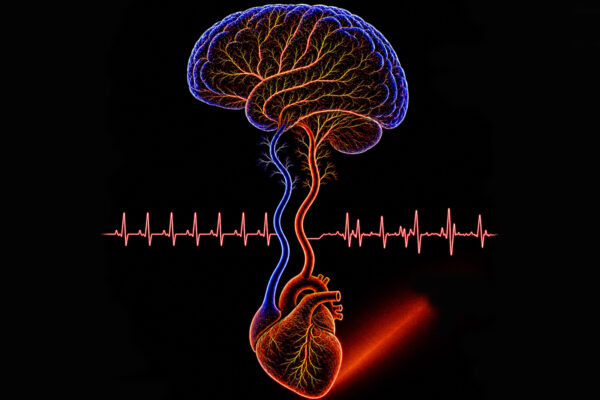
Light, genetics provide insight into arrhythmia’s effects on brain
WashU biomedical engineers used highly sensitive imaging in a mouse model to better understand arrhythmia’s effect on the brain.

Learning from our ‘priors’
Behavioral science researchers at WashU have gathered evidence on the benefits of using a Bayesian statistical framework for replicating research.
Older Stories